Country
Sector
Search a job
Humanitarian Teacher
Deliver quality education in crisis-affected areas, focusing on the specific needs of young learners and community development.
18 000 – 48 000 EUR (€)
Average salary / year
Bachelor's degree
Education level
00
Automation level
Low
Difficulty
Stable
Employability
6-12 months
Market tension
Moderate
Intl. mobility
Rare
Automation level
Low
Difficulty
Stable
Employability
6-12 months
Market tension
Moderate
Intl. mobility
Rare
About
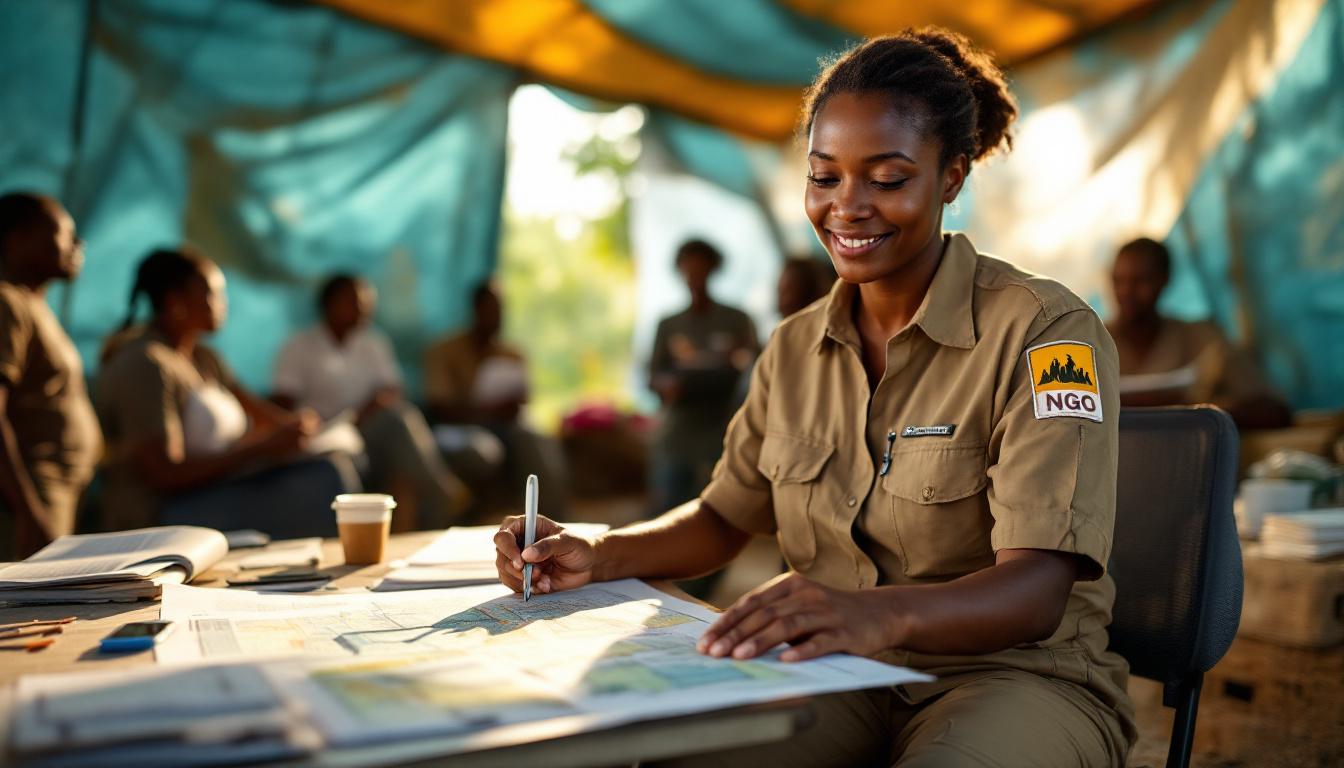
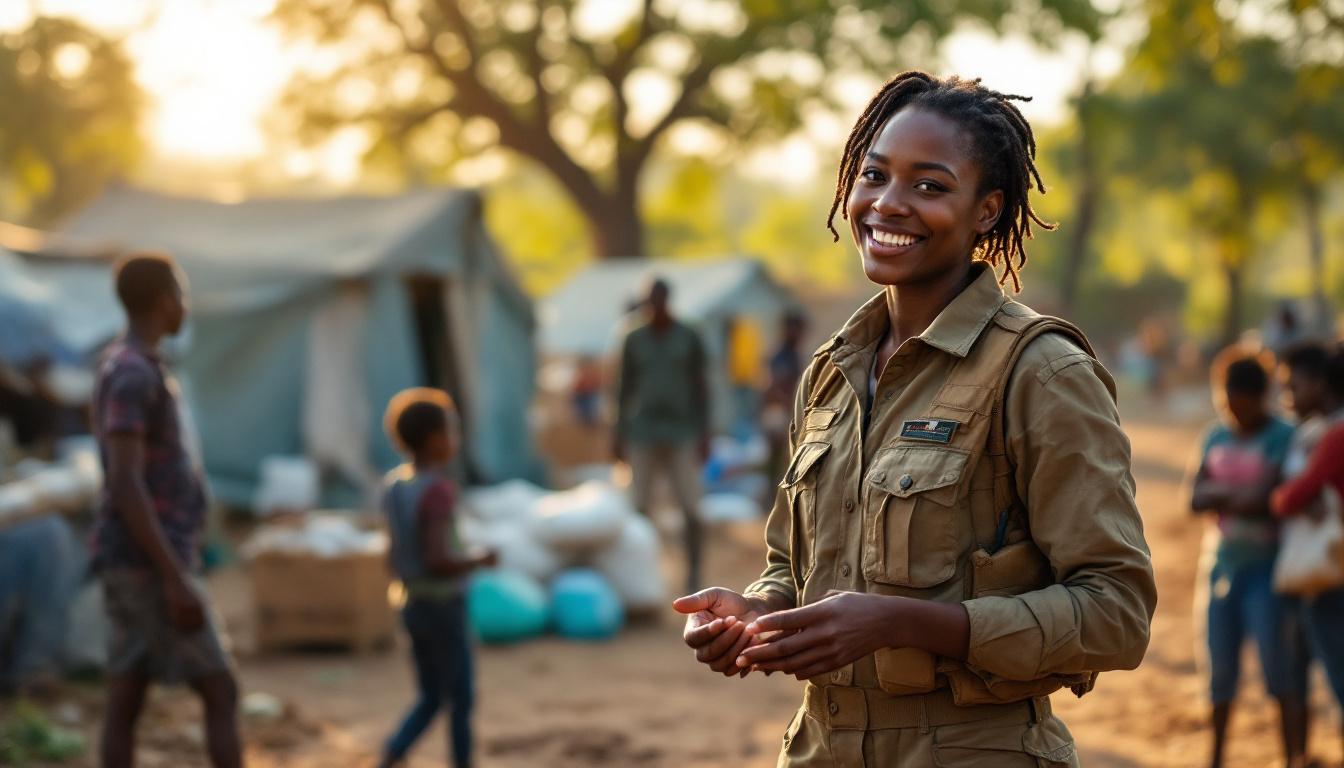
As a Humanitarian Teacher, you will play a pivotal role in shaping the education of children in crisis-affected areas, contributing significantly to community development. Working within an NGO framework, your main objective will be to deliver quality education that adheres to educational benchmarks while addressing the specific needs of young learners. Engaging with local communities, leveraging educational tools, and meeting challenging circumstances are integral to your role, empowering students through knowledge and skills.
Skills
Technical skills
- Expertise in curriculum development for varied contexts
- Proficiency with remote teaching tools and platforms
- Skill in performance metric analysis for program evaluation
- Experience with budget management and financial planning
- Competence in data reporting for educational assessments
- Literate in MS Office for documentation and communication
Interpersonal skills
- Cultural sensitivity to work effectively in diverse settings
- Empathy and patience to support student learning
- Effective communication to engage with stakeholders
- Problem-solving skills to address unexpected challenges
- Team collaboration to achieve collective educational goals
Tasks
- Develop and adapt curriculum to meet NGO standards and local contexts.
- Implement educational strategies using limited resources and tools effectively.
- Engage with community stakeholders to enhance student outcomes.
- Utilize performance metrics to report on the educational impact.
- Collaborate with local educators to align teaching methods.
- Monitor student progress and adjust teaching plans accordingly.
- Conduct educational workshops to improve literacy and numeracy.
- Negotiate with suppliers for learning materials within budget constraints.
- Coordinate with health professionals to support student well-being.
- Adhere to compliance standards in educational reporting.
Work environments
Work environments for professionals in this sector may vary:
Non-governmental organizations that focus on education
Crisis-affected areas requiring immediate educational support
Remote locations with limited access to resources
Multi-lingual communities offering diverse cultural interactions
Schools and community centers as hubs for learning
Collaborative team settings fostering teamwork and innovation
Career paths
- Advance to Project Leader to oversee educational initiatives
- Become an Education Program Coordinator to manage strategic plans
- Transition to a Training Specialist to enhance educator skills
- Serve as an International Aid Advisor to guide policy and strategy
Profile sought
Resilience in challenging environments
Adaptability to rapidly changing situations
Resourcefulness in utilizing available materials
Cultural awareness to engage with diverse communities
How to become a Humanitarian Teacher?