Gamekeeper
Manage wildlife populations and habitats by implementing monitoring strategies and conservation practices in rural areas.
About
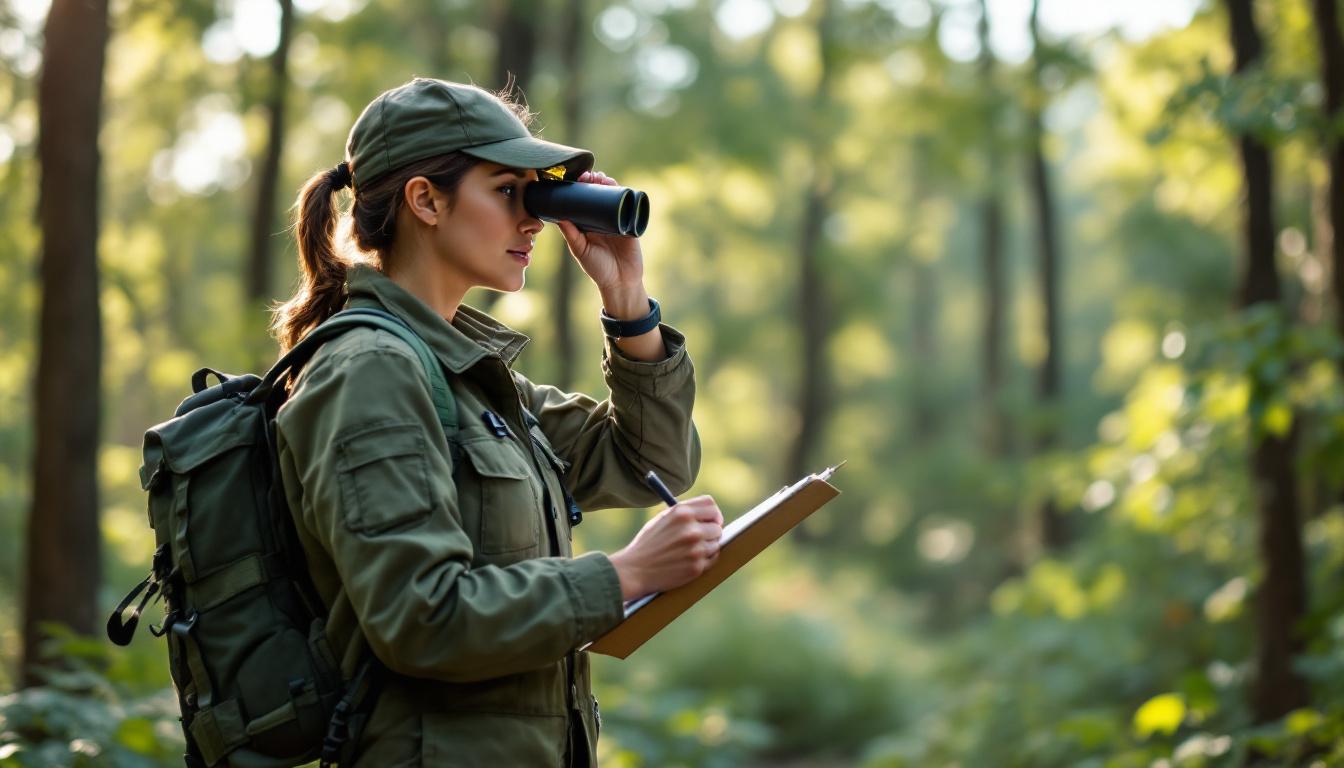
As a Gamekeeper, you play a crucial role in managing wildlife populations and habitats in rural areas. Working primarily in the field, you will utilize wildlife management tools and software to monitor animal populations and maintain biodiversity. Your efforts will ensure compliance with local regulations while supporting conservation objectives. Collaborating closely with stakeholders such as regulatory bodies, landowners, and conservationists, you will plan and execute strategies to control game populations and protect ecosystems. This role is essential to preserving the natural environment while balancing the interests of the community.
Skills
Technical skills
- Proficiency in wildlife management software for monitoring purposes.
- Expertise in GPS tracking to map animal movements.
- Utilize data analytics for insightful habitat analysis.
- Conduct habitat surveying with precision and accuracy.
- Ensure regulatory compliance in all conservation efforts.
- Develop and implement effective wildlife conservation strategies.
- In-depth wildlife biology knowledge for informed decision-making.
- Perform biodiversity assessments to evaluate ecosystem health.
- Operate GIS software for spatial analysis and mapping.
Interpersonal skills
- Exhibit analytical thinking to solve complex issues.
- Make informed and timely decisions under pressure.
- Communicate effectively with diverse audiences.
- Approach problem solving with innovative solutions.
- Foster collaboration within multidisciplinary teams.
- Maintain attention to detail in all tasks.
- Demonstrate leadership in guiding teams towards goals.
Tasks
- Utilize wildlife management software to effectively monitor animal populations against conservation targets. Conduct comprehensive wildlife surveys using GPS and data analytics tools to gather accurate habitat information. Develop game management plans that align with regulatory compliance and biodiversity objectives. Coordinate with landowners to implement sustainable hunting programs within budget constraints. Report on habitat health and game levels using performance metrics to stakeholders. Analyze population dynamics through collected data to optimize conservation strategies. Manage predator control programs in accordance with environmental standards and KPIs. Facilitate stakeholder meetings with conservationists and regulators to discuss progress. Implement habitat enhancement projects while adhering to environmental regulations. Oversee wildlife protection initiatives ensuring all actions conform to legal requirements.
Work environments
Work environments for professionals in this sector may vary:
Career paths
- Advance to a role as a Conservation manager overseeing large projects.
- Transition into a Wildlife consultant providing expert advice.
- Develop into an Ecologist specializing in ecosystem studies.
- Become a Natural resource manager focusing on sustainable use.
- Engage as an Environmental educator to raise awareness.
- Coordinate field research as a Field research coordinator.