Forest Engineer
Implement sustainable forest management techniques by utilizing GIS technology to enhance mapping and monitoring of forest resources.
About
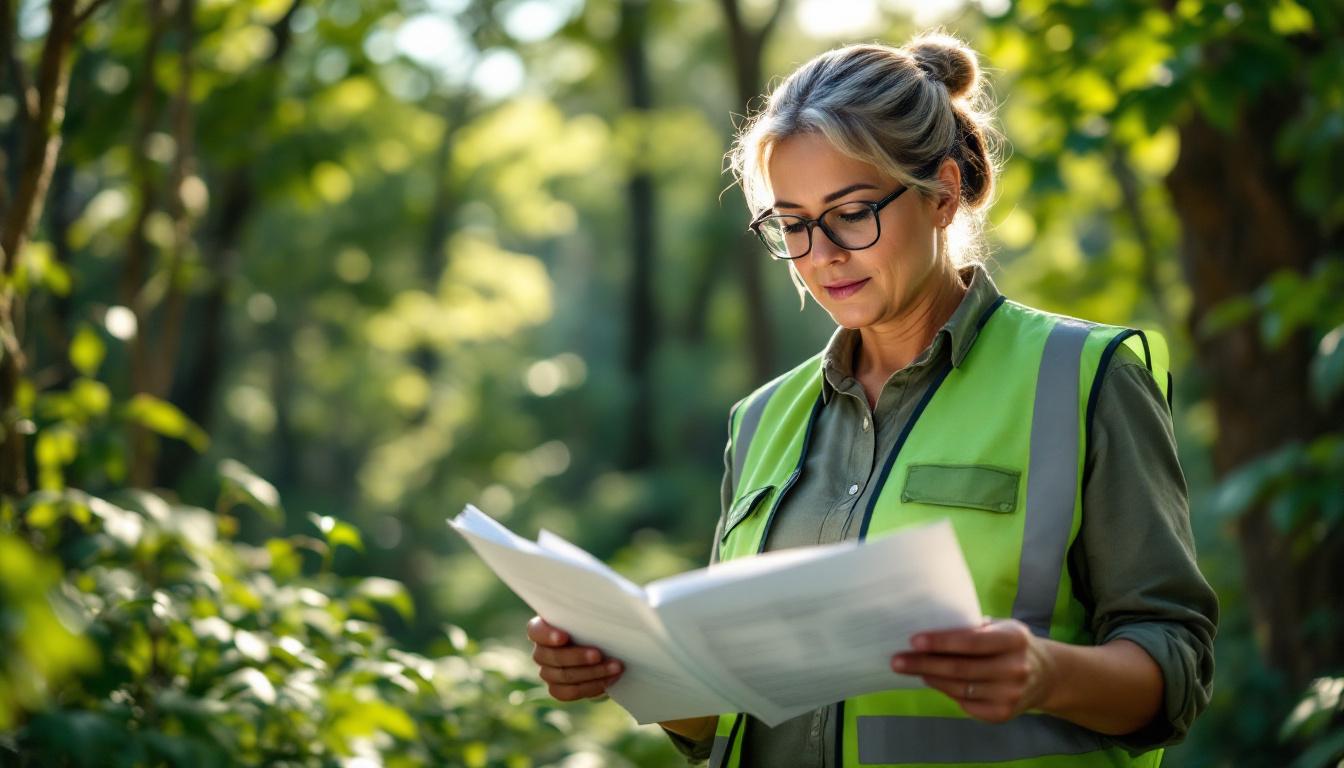
Forest Engineers play a critical role in sustainable forest management and conservation efforts. Working within a corporate or public sector environment, they focus on optimizing forest resources, ensuring compliance with environmental regulations, and maintaining biodiversity. The role requires collaboration with government agencies, private landowners, and conservation organizations to achieve forest resource objectives through innovative practices and tools. Forest Engineers use GIS technology for mapping and monitoring, enabling them to design effective strategies for land use and reforestation while balancing economic and ecological priorities.
Skills
Technical skills
- Proficient in GIS technology for spatial analysis
- Conduct detailed soil analysis for land assessment
- Utilize forest management software for planning
- Enhance timber production through optimization techniques
- Implement effective reforestation techniques
- Manage forest fire prevention and response
- Ensure regulatory compliance in all operations
- Perform comprehensive data analysis for insights
- Conduct environmental impact assessments thoroughly
- Apply cost-benefit analysis to evaluate projects
Interpersonal skills
- Foster collaboration among diverse teams
- Demonstrate strong problem-solving abilities
- Engage in strategic planning for long-term goals
- Make informed decision-making under pressure
- Communicate effectively with stakeholders
- Show adaptability in dynamic environments
- Negotiate successfully with various parties
Tasks
- Conduct detailed forest resource assessments using GIS technology and field surveys.
- Develop and implement sustainable forest management plans within budget constraints.
- Collaborate with government agencies and private stakeholders to align forest activities with regulatory requirements.
- Monitor forest health indicators such as pest infestations and apply management techniques to mitigate impacts.
- Optimize timber production processes to enhance yield while maintaining biodiversity.
- Design reforestation projects to meet ecological restoration goals and improve carbon capture.
- Analyze soil and water data to inform land use planning and soil conservation strategies.
- Implement forest fire prevention measures in collaboration with local authorities and communities.
- Evaluate the economic impact of forestry operations through cost-benefit analysis models.
- Report on forest management activities to stakeholders, ensuring transparency and accountability.
Work environments
Work environments for professionals in this sector may vary:
Career paths
- Progress to Senior Forestry Manager overseeing larger projects
- Environmental Consultant providing strategic advice
- Advance to Sustainability Director leading green initiatives
- Become a Conservation Strategist shaping preservation efforts
- Serve as a Policy Advisor influencing forestry regulations
- Pursue a career as a Research Scientist innovating in forestry