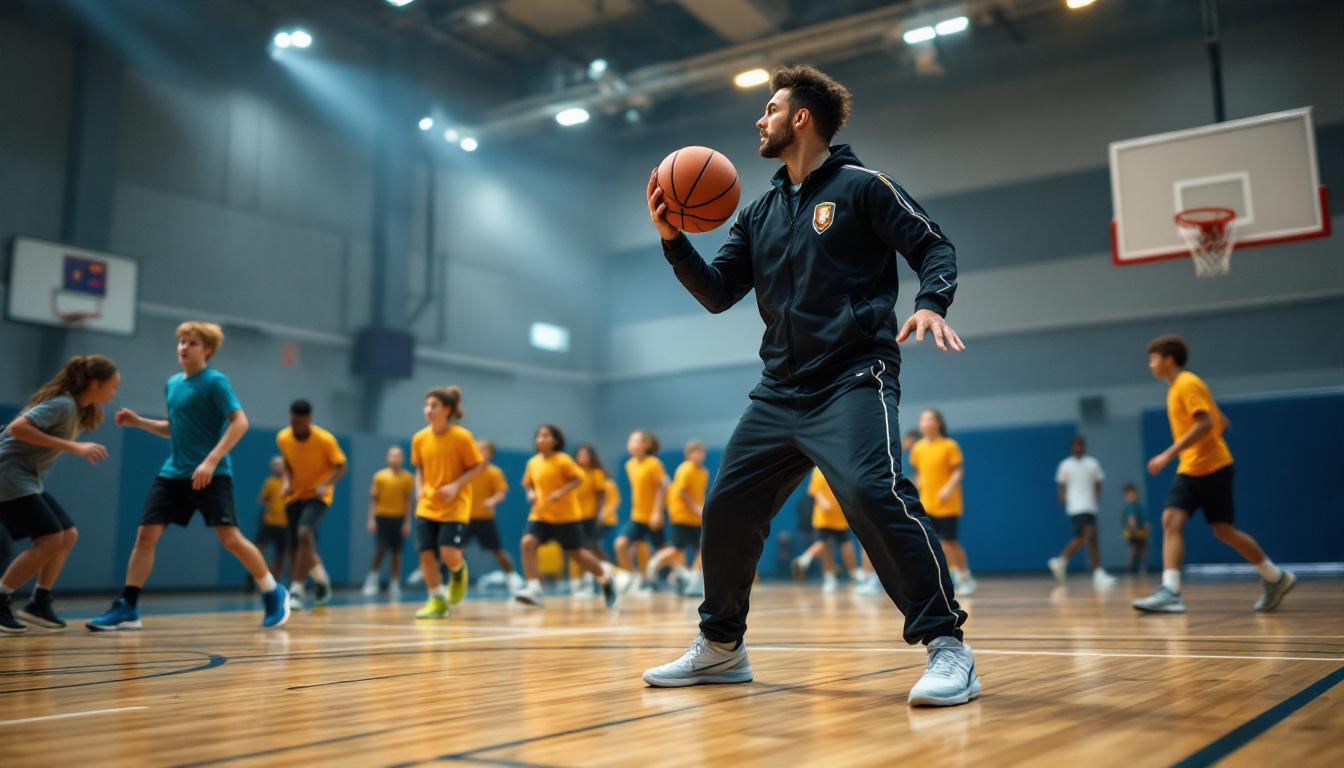
Football coach
Design and implement targeted training programs to enhance athletes' skills and foster a competitive team environment.
About
As a football coach, you will play a pivotal role in shaping the skills and mindset of aspiring athletes in a competitive sports environment. Your primary objective will be to develop strategic training programs, optimize team performance, and ensure alignment with club objectives. You will use data analytics and performance metrics to evaluate players' progress and collaborate with management and support staff to maximize team success. Engaging with various stakeholders, including players, sponsors, and other coaching staff, will be essential as you drive the team towards achieving their goals and maintaining compliance with league regulations.
Skills
Technical skills
- Proficient in using video analysis tools for performance assessment
- Skilled in evaluating performance metrics to drive improvements
- Expert in developing game strategies and tactics
- Experience with team management systems for effective coordination
- Competence in budget management to ensure financial efficiency
- Knowledge of injury management protocols to maintain player health
Interpersonal skills
- Demonstrates strong leadership in guiding teams
- Strategic planning to achieve long-term objectives
- Effective communication fostering collaboration
- Conflict resolution skills to maintain team harmony
- Team motivation techniques to boost morale
- Adaptability in responding to changing situations
Tasks
- Conduct regular training sessions focusing on skill development and team tactics using advanced video analysis tools.
- Analyze players' performance through metrics like pass completion rates and fitness levels to enhance both individual and team performance.
- Collaborate with the management team to set realistic performance targets and ensure budget adherence for team resources.
- Develop game strategies and implement tactics tailored to specific opponents, ensuring a competitive edge.
- Facilitate communication between players and physiotherapists to manage injuries and maintain player health standards.
- Design seasonal training plans that align with competition schedules, taking into consideration player workloads.
- Monitor training sessions for safety compliance and adjust exercises based on current fitness and fatigue levels.
- Negotiate with suppliers to procure quality training equipment within set financial budgets.
- Lead post-match meetings to review performance data and derive actionable insights for improvement.
- Build relationships with parents and sponsors to foster team support and enhance community reputation.
Work environments
Work environments for professionals in this sector may vary:
Career paths
- Progress to head coach to lead the team to new heights
- Transition into a sports director role overseeing broader operations
- Advance to team manager to coordinate team logistics
- Become an athletic coordinator managing multiple teams
- Expand into a strategic advisor role within the sports industry