Country
Sector
Search a job
Fisheries scientist
Conduct in-depth research and analysis to promote sustainable aquatic resource management and preserve marine biodiversity.
28 000 – 70 000 EUR (€)
Average salary / year
Bachelor's degree
Education level
00
Automation level
Medium
Difficulty
Stable
Employability
3-4 years
Market tension
Moderate
Intl. mobility
Rare
Automation level
Medium
Difficulty
Stable
Employability
3-4 years
Market tension
Moderate
Intl. mobility
Rare
About
As a Fisheries Scientist within the public sector, you will significantly impact marine ecosystems by conducting in-depth research and analysis. Your primary objective is to ensure sustainable aquatic resource management, collaborating with environmental agencies and utilizing advanced analytics tools. Success in this role directly contributes to preserving biodiversity, maintaining fish stock levels, and ensuring compliance with environmental regulations.
Skills
Technical skills
- Proficient in using GPS and sonar equipment for data collection
- Skilled in data analysis software for interpreting research findings
- Expertise in ecological modeling tools for predicting fish stock levels
- Knowledgeable in marine biology protocols for scientific accuracy
- Experienced in statistical analysis for evaluating environmental impacts
- Conduct environmental impact assessments for regulatory compliance
Interpersonal skills
- Analytical thinking to solve complex problems
- Effective collaboration with diverse teams
- Problem-solving skills for innovative solutions
- Strong communication for clear information sharing
- Leadership to inspire and guide teams
- Adaptability to changing environments
Tasks
- Conduct field research to collect data on fish population using advanced GPS and sonar equipment. Analyze data to identify trends and develop models predicting fish stock levels, ensuring compliance with regulatory benchmarks. Collaborate with marine biologists and environmental agencies for joint research projects. Prepare detailed reports on fishery status for governmental review, highlighting key performance indicators and potential risks. Develop sustainable fishing strategies in consultation with local fishing communities, targeting to maintain agreed quota limits. Monitor environmental changes' impacts on marine life using statistical software, and provide actionable insights. Advise policymakers on the implementation of fishery protection measures and their economic implications. Supervise the execution of conservation projects, ensuring alignment with ecological targets and budget constraints. Prepare public outreach materials and conduct workshops to educate stakeholders on sustainable practices. Lead audits addressing non-compliance issues in marine resource exploitation based on scientific findings.
Work environments
Work environments for professionals in this sector may vary:
Marine research institutions focused on aquatic studies
Government environmental agencies overseeing regulatory compliance
National and international conservation organizations dedicated to marine protection
Collaborative research projects with various stakeholders
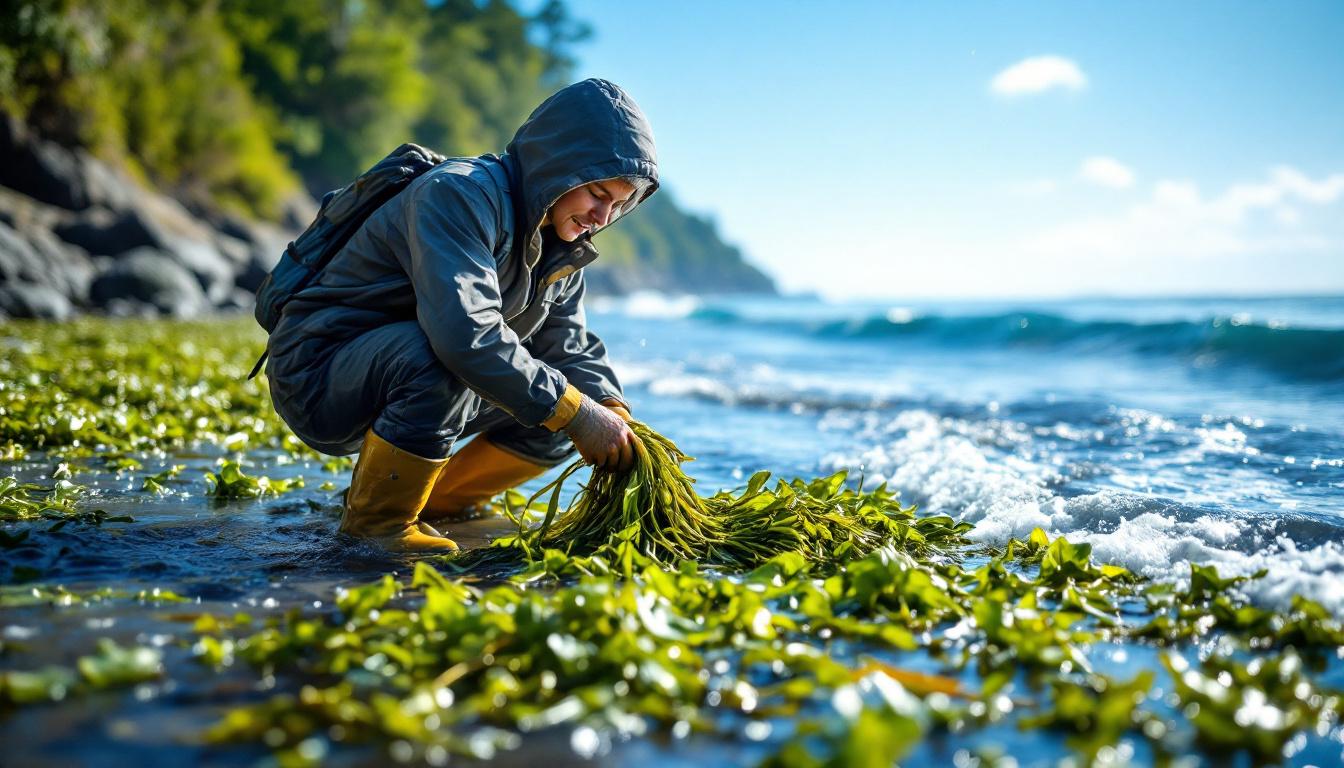
On-field aquatic data collection for research purposes
Public workshops and seminars aimed at educating communities
Career paths
- Progress to a role as Senior Environmental Policy Advisor guiding strategic decisions
- Advance to become the Director of Marine Research leading scientific initiatives
- Lead as a Conservation Program Leader to drive ecological projects
- Consult as a Sustainability Consultant offering expert advice
- Educate future scientists as a Marine Biology Professor
Profile sought
Detail oriented with a focus on accuracy
Innovative in developing solutions
Resourceful in overcoming challenges
Communicative with an ability to engage
Environmentally conscious, prioritizing sustainability
How to become a Fisheries scientist?