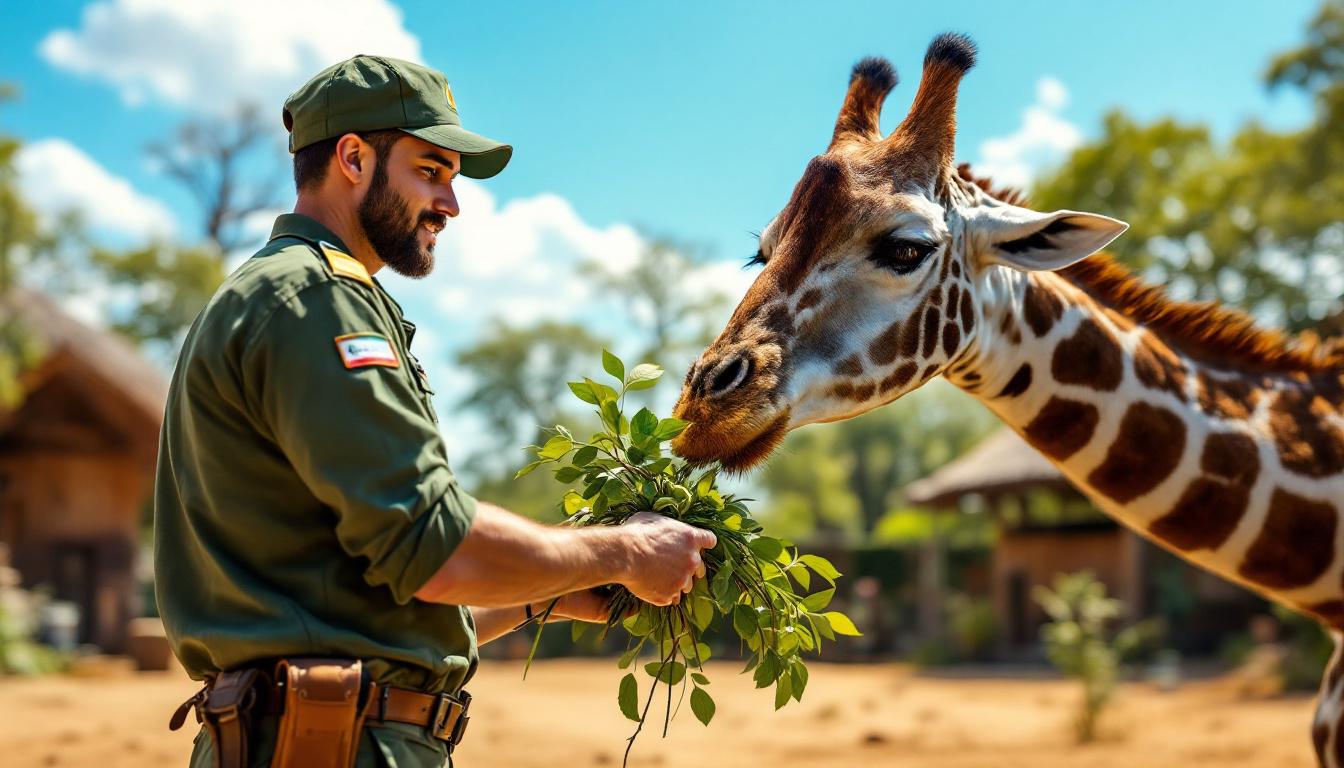
Equine specialist
Assess and address the physical and psychological needs of horses using specialized techniques and analytics tools.
About
As an Equine Specialist, you will play a pivotal role in promoting the health and well-being of horses within a dynamic equestrian environment. Your primary objective is to assess and address the physical and psychological needs of horses using specialized techniques and tools. Working closely with trainers, veterinarians, and horse owners, your expertise will contribute to enhancing the performance and welfare of these majestic animals. In this role, you will apply analytics tools to monitor health metrics and ensure compliance with industry standards.
Entering the profession — India
Access to the profession is generally through specialized diplomas or certificates in equine science or animal husbandry. Apprenticeships and internships at equine facilities are common entry paths.
Training — India
The formation relies on a professional vocational curriculum oriented towards equine care, including anatomy, nutrition, grooming, and stable management. Practical internships are essential to gain hands-on experience.
The job market — India
The job market is moderately demanding, with opportunities in agricultural, recreational, and veterinary sectors. While automation may impact some routine tasks, the need for skilled equine caretakers remains stable due to the specialized nature of the work.
Skills
Technical skills
- Expertise in veterinarian diagnostics and assessments
- Proficient in equine health assessment techniques
- Skilled in using performance tracking tools for monitoring
- Ability to conduct nutritional analysis and provide guidance
- Ensuring compliance with health regulations and standards
- Developing and implementing injury prevention strategies
Interpersonal skills
- Demonstrates precision and attention to detail in all tasks
- Effective communication with teams and clients
- Strong problem-solving abilities to tackle challenges
- Empathetic horse handling with a focus on welfare
- Collaboration with multidisciplinary teams for comprehensive care
Tasks
- Conduct thorough assessments of horse health using veterinary checklists and diagnostics.
- Design tailored health and exercise plans to enhance horse performance.
- Monitor horse progress and well-being with specialized software and technology.
- Provide educational sessions to horse owners and caretakers about best care practices.
- Coordinate with veterinarians and trainers to address specific health issues.
- Evaluate and adjust treatment plans based on performance metrics and feedback.
- Ensure all care activities comply with health and safety regulations.
- Track and report on horse behavior changes using analytics tools.
- Implement injury prevention strategies in collaboration with medical teams.
- Analyze horse nutrition plans and recommend adjustments as necessary.
Work environments
Work environments for professionals in this sector may vary:
Career paths
- Progress to Senior Equine Specialist to lead health initiatives
- Become an Equine Health Consultant advising on best practices
- Advance to Equine Facility Manager overseeing operations
- Transition into a Veterinary Researcher role for deeper insights