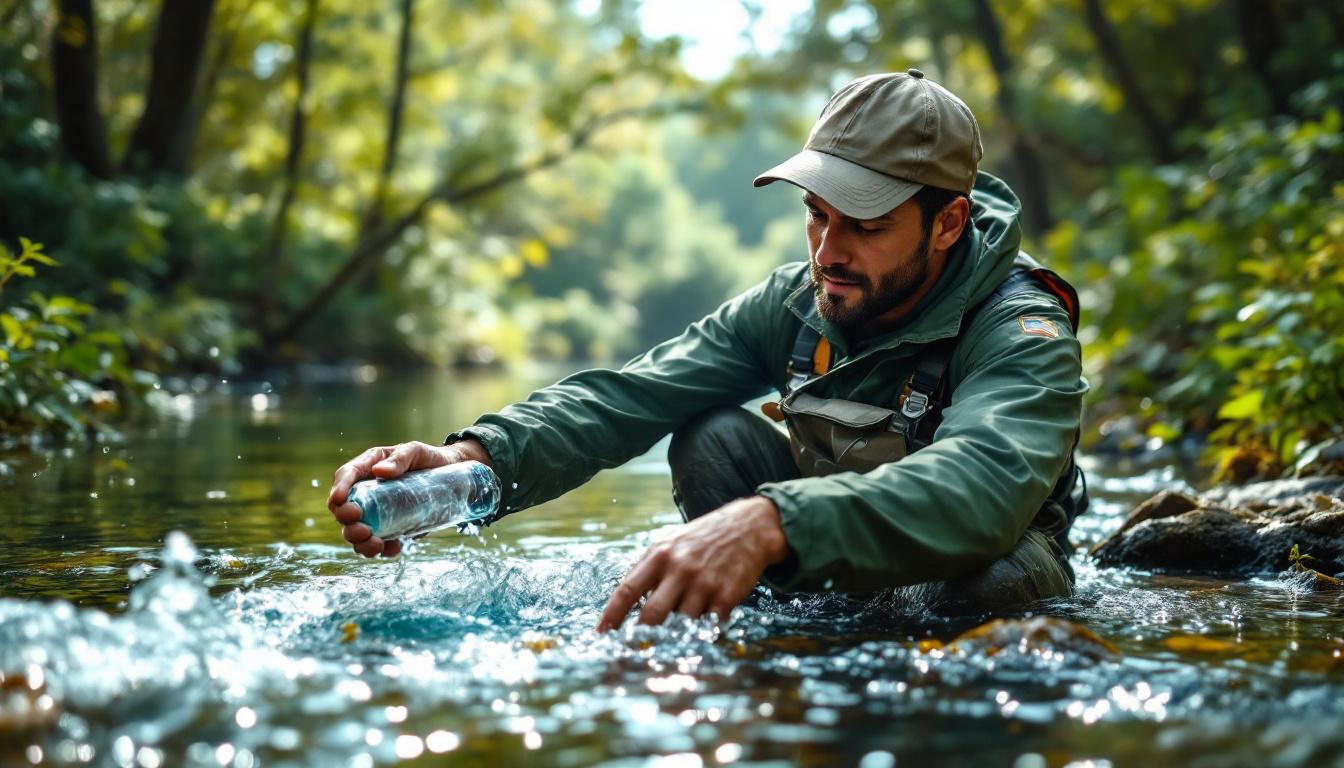
Environmental Research Officer
Conduct comprehensive research to assess environmental impacts and recommend sustainable solutions for effective resource management.
About
As an Environmental Research Officer, your primary role is to conduct comprehensive research to assess environmental impacts and propose sustainable solutions. Working within a corporate or public sector setting, you will analyze ecological data using advanced analytics tools and report findings to senior management. Collaboration with regulators, local communities, and stakeholders is crucial to ensure compliance and promote best environmental practices. Your work will directly influence project development and resource management policies, aiming to balance economic growth with environmental preservation.
Entering the profession — Ghana
L'accès à la profession se fait généralement par l'obtention d'un diplôme universitaire en environnement ou disciplines connexes, suivi d'une expérience pratique en entreprise ou administration. Des certifications spécifiques peuvent faciliter l'insertion.
Training — Ghana
La formation repose sur un cursus professionnel orienté vers les sciences de l'environnement, incluant des connaissances en écologie, gestion des ressources naturelles, et réglementation environnementale. Elle combine théorie et travaux pratiques, souvent complétée par des stages en milieu professionnel.
The job market — Ghana
Le marché de l'emploi pour ce métier est modéré, porté par les besoins croissants en gestion environnementale dans les secteurs public et privé. Les opportunités sont concentrées dans les agences gouvernementales, les firmes de conseil, et les industries extractives. Le télétravail reste peu fréquent en raison de la nature terrain des missions.
Skills
Technical skills
- Proficiency in GIS software for spatial analysis
- Conduct comprehensive environmental impact assessments
- Perform detailed data analysis for informed decisions
- Ensure regulatory compliance with industry standards
- Utilize project management tools for effective coordination
- Apply remote sensing techniques for environmental monitoring
- Conduct biodiversity evaluation for conservation strategies
- Utilize environmental modeling for predictive analysis
Interpersonal skills
- Apply critical thinking to complex problems
- Exhibit strong problem-solving abilities
- Maintain attention to detail in all tasks
- Demonstrate effective communication skills
- Negotiate successfully with stakeholders
- Manage stakeholder relationships with skill
- Adaptability to changing environments
- Foster collaboration within teams
Tasks
- Conduct environmental impact assessments using specialized analytics tools.
- Collaborate with regulators and local authorities to ensure project compliance.
- Analyze ecological data to identify areas for sustainable improvement.
- Report research findings to senior management to inform decision-making.
- Develop strategies to mitigate environmental impacts within set deadlines.
- Monitor project progress against environmental performance metrics.
- Advise on resource management to optimize energy and water use.
- Engage with communities to promote awareness and support for initiatives.
- Coordinate with cross-functional teams to integrate eco-friendly practices.
- Evaluate environmental policies and suggest modifications where necessary.
Work environments
Work environments for professionals in this sector may vary:
Career paths
- Advance to Environmental Management Specialist to lead projects
- Become a Sustainability Consultant advising on best practices
- Progress to a Project Manager overseeing eco-initiatives
- Serve as a Regulatory Compliance Advisor ensuring standards
- Work as an Ecological Analyst focused on data interpretation