Environmental Management Consultant
Develop tailored strategies for clients to minimize their environmental footprint while ensuring compliance with regulatory standards.
About
As an Environmental Management Consultant, you will play a crucial role in boosting sustainable practices within corporate environments. Your expertise will directly impact clients' environmental performance while ensuring adherence to compliance and regulatory standards. Utilizing a range of analytical tools and working closely with diverse stakeholders, your role focuses on developing strategies to minimize environmental footprint and enhance operational efficiency.
Entering the profession — Australia
Entry into this profession generally requires a relevant university degree. Candidates may also enter through internships or graduate programs in environmental consultancy or sustainability.
Training — Australia
The typical formation for a Conseiller en management environnemental includes obtaining a bachelor's degree in environmental science or a related field, supplemented by certifications such as ISO 14001 Lead Auditor. Practical experience through internships or graduate programs is often required.
The job market — Australia
The job market for environmental management advisors in Australia is moderately competitive with demand driven by government regulations and corporate sustainability initiatives. Opportunities exist in consulting firms, government agencies, and private companies.
Skills
Technical skills
- Proficient in conducting environmental impact assessments and interpreting results
- Expertise in data modeling to support sustainability initiatives
- Crafting effective sustainability strategies for diverse industries
- Managing compliance through detailed regulatory analysis
- Executing comprehensive energy audits to identify savings
- Utilizing BI tools for data-driven environmental reporting
- In-depth knowledge of environmental regulations and their applications
- Designing resource management plans for optimal efficiency
Interpersonal skills
- Strategic thinking, enabling long-term planning
- Analytical problem solving to address complex issues
- Effective stakeholder engagement, fostering collaborative relationships
- Result-oriented approach, focusing on achieving targets
- Cultural awareness in sustainability, respecting diverse perspectives
- Adaptability to evolving regulations, ensuring compliance
Tasks
- Conduct environmental impact assessments using advanced analytics tools and data modeling.
- Develop tailored sustainability strategies for clients, ensuring alignment with regulatory standards.
- Facilitate educational workshops to inform stakeholders about compliance requirements.
- Monitor and analyze environmental performance metrics to guarantee legal adherence.
- Negotiate with suppliers to procure eco-friendly materials while staying within budget constraints.
- Design and implement effective waste reduction plans to enhance resource management.
- Collaborate with corporate teams to seamlessly integrate sustainable practices into daily operations.
- Report on environmental performance statistics to management through BI tools.
- Optimize energy consumption by conducting targeted audits and creating actionable plans.
Work environments
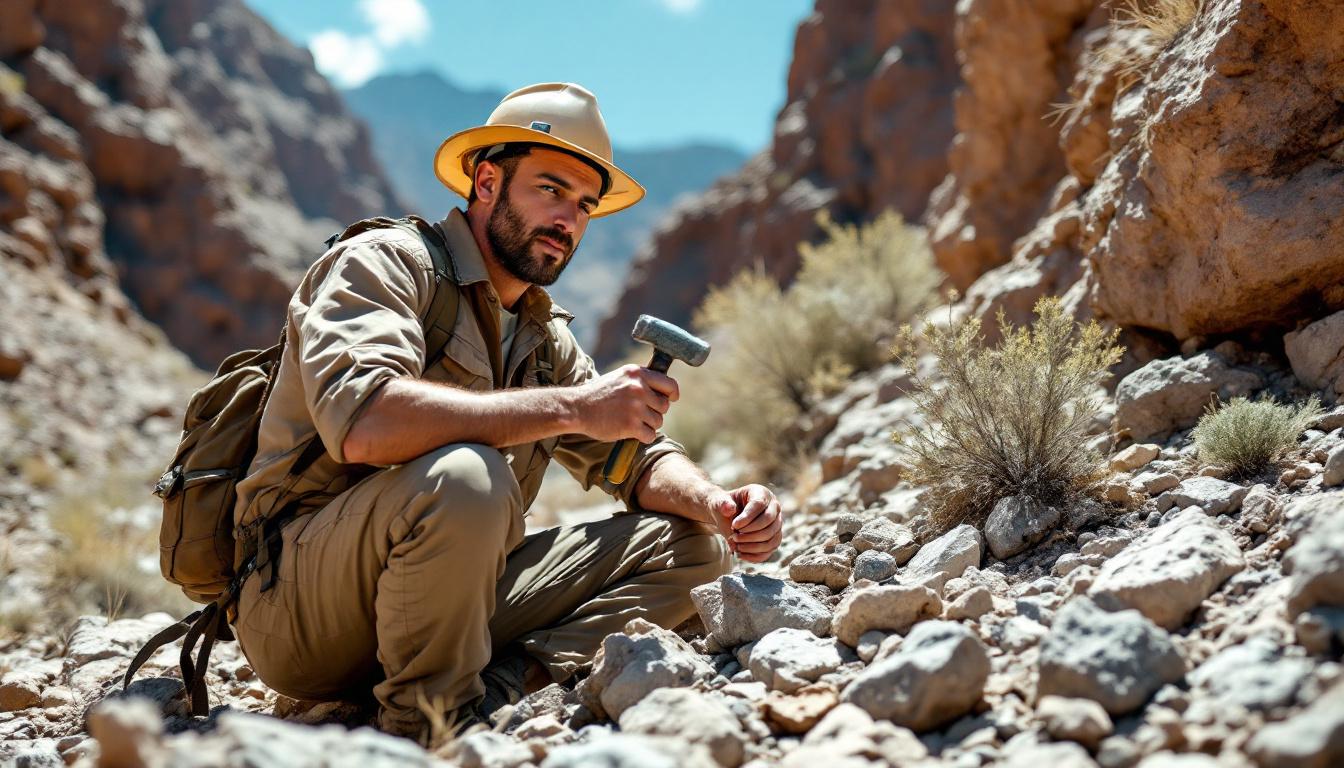
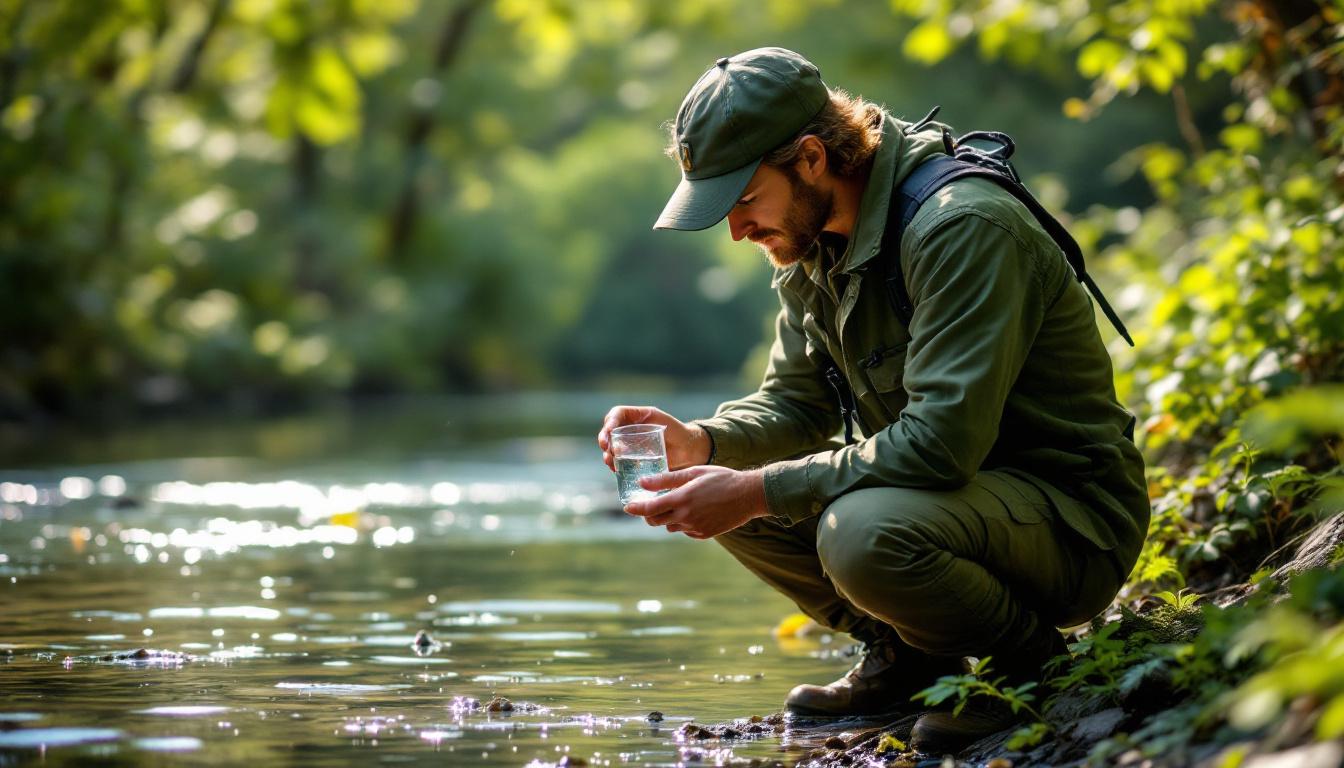
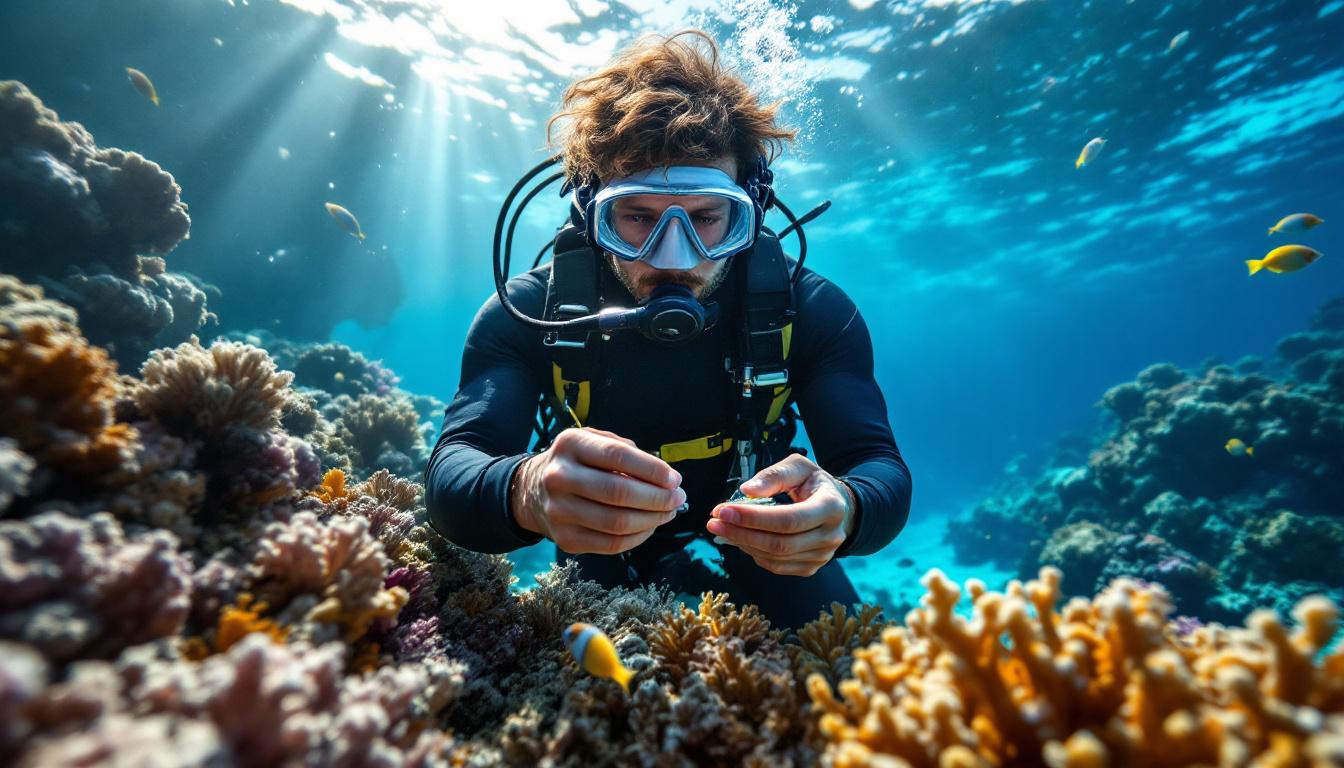
Work environments for professionals in this sector may vary:
Career paths
- Advance to the role of Sustainability Director, leading corporate green initiatives
- Become an Environmental Policy Advisor to shape public and private sector strategies
- Progress to Corporate Sustainability Manager, overseeing sustainability programs
- Elevate to Chief Environmental Strategist, crafting long-term ecological visions