Chief Mechanic
Oversee the maintenance and repair of machinery and equipment to ensure optimal operational efficiency and safety standards.
About
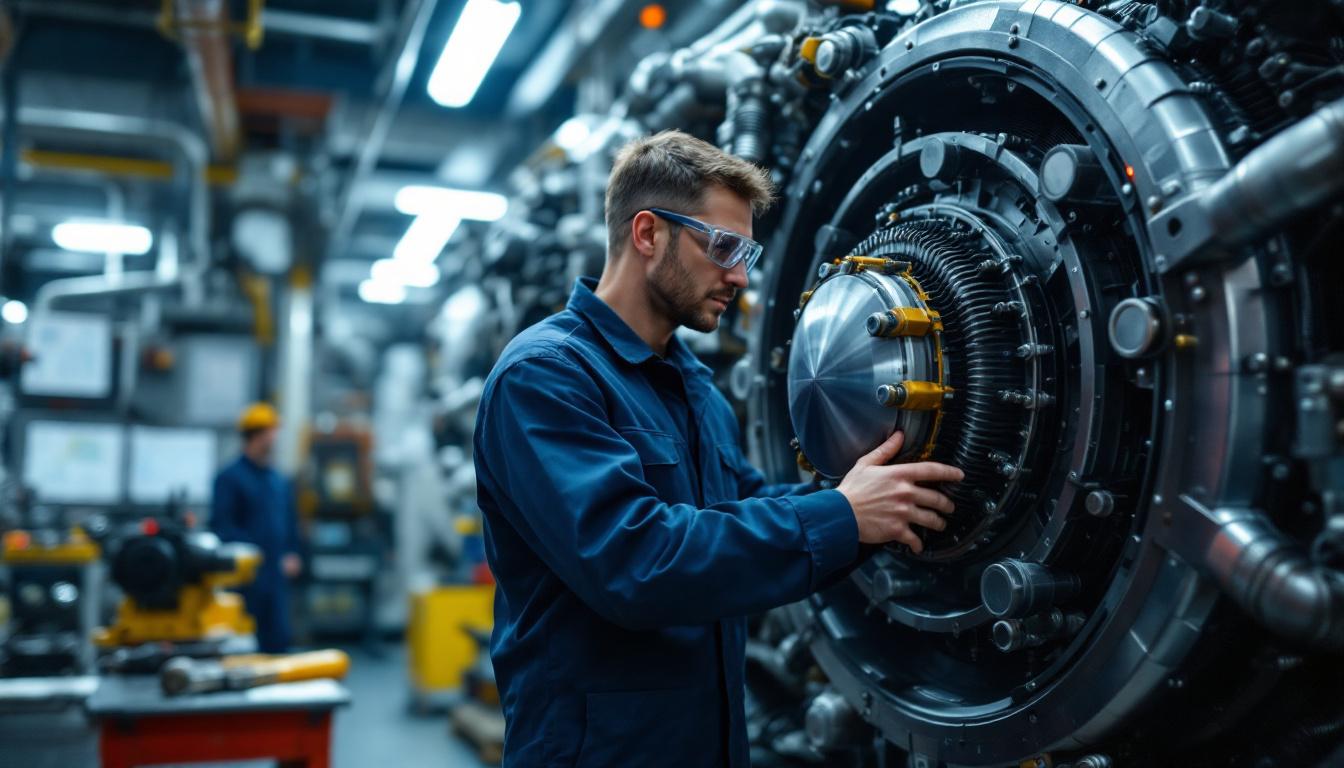
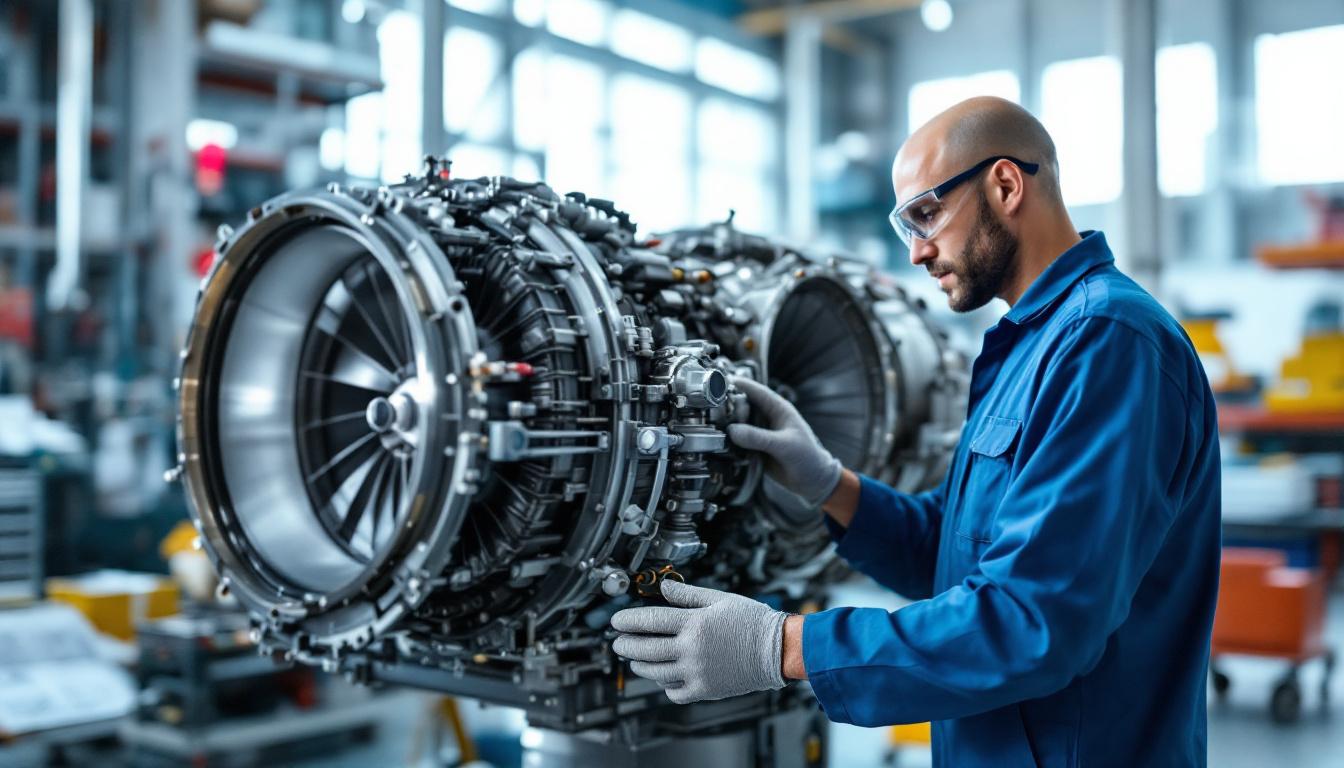
In a high-stakes industrial environment, the Chief Mechanic is pivotal in maintaining operational excellence by ensuring the efficient functioning of machinery and equipment. This role directly impacts safety standards and production efficiency. Working alongside a skilled technical team, the Chief Mechanic utilizes diagnostics, maintenance tools, and compliance protocols to minimize downtime and optimize performance. Collaboration with operations managers and engineering teams is essential for project planning and execution.
Entering the profession — New Zealand
Entry is typically through apprenticeships or vocational programs, with opportunities for experienced mechanics to advance. Retraining options exist for those switching careers.
Training — New Zealand
Becoming a Chief Mechanic in New Zealand generally involves completing a formal apprenticeship or vocational training in automotive or mechanical engineering. This pathway provides practical skills and knowledge essential for the role.
The job market — New Zealand
The job market for Chief Mechanics is stable with moderate demand, primarily in automotive repair, transport, and manufacturing sectors. Remote work is rare due to the hands-on nature of the job.
Skills
Technical skills
- Proficient in using diagnostic tools for issue resolution
- Expertise in preventive maintenance to ensure longevity
- Skilled in ERP systems for efficient management
- Comprehensive knowledge of safety protocols
- Demonstrated team leadership in technical settings
- Effective in vendor negotiations for cost management
- Ability to conduct equipment forecasting for future planning
- Experience with maintenance KPI analysis for performance tracking
Interpersonal skills
- Strategic planning with a focus on long-term goals
- Problem-solving abilities to tackle complex challenges
- Attention to detail ensuring high-quality outcomes
- Effective communication fostering clear understanding
- Leadership skills to inspire and motivate teams
- Adaptability to thrive in dynamic environments
Tasks
- Diagnose equipment issues using advanced diagnostic tools to reduce downtime.
- Plan and execute preventive maintenance schedules, adhering to budget constraints and safety protocols.
- Lead a team of technicians in executing complex repairs, ensuring compliance with industry standards.
- Optimize machinery performance by analyzing equipment performance metrics and recommending improvements.
- Liaise with suppliers to source quality parts, negotiating favorable terms under budget constraints.
- Maintain accurate maintenance records and report to senior management, utilizing ERP systems.
- Conduct safety audits and propose improvements to enhance workplace safety compliance.
- Implement and monitor KPIs to ensure maintenance efficiency and productivity targets are met.
- Collaborate with engineering teams to design system upgrades and improve operational efficiency.
- Forecast equipment lifecycles and budget needs for resources and upgrades.
Work environments
Work environments for professionals in this sector may vary:
Career paths
- Progress to Maintenance Director to oversee large-scale operations
- Become an Engineering Manager leading technical teams
- Advance to Operations Manager to streamline processes
- Transition into a Technical Consultant role providing expert advice
- Take on responsibilities as a Safety Auditor focusing on compliance