Bionaut
Navigate and map biological environments using advanced imaging and bioinformatics tools to support healthcare research and diagnostics.
About
The Bionaut plays a crucial role in our innovative team, focusing on bio-navigation within the healthcare sector. This role is pivotal in advancing biological exploration and diagnostics using state-of-the-art technologies. The Bionaut collaborates with research scientists, medical teams, and engineers to enhance patient outcomes. Responsibilities include leveraging advanced imaging systems and bioinformatics tools to navigate and map biological environments accurately, ensuring compliance with healthcare regulations while meeting tight project deadlines. The impact is significant in terms of research breakthroughs and practical applications in medical treatment.
Entering the profession — United Kingdom
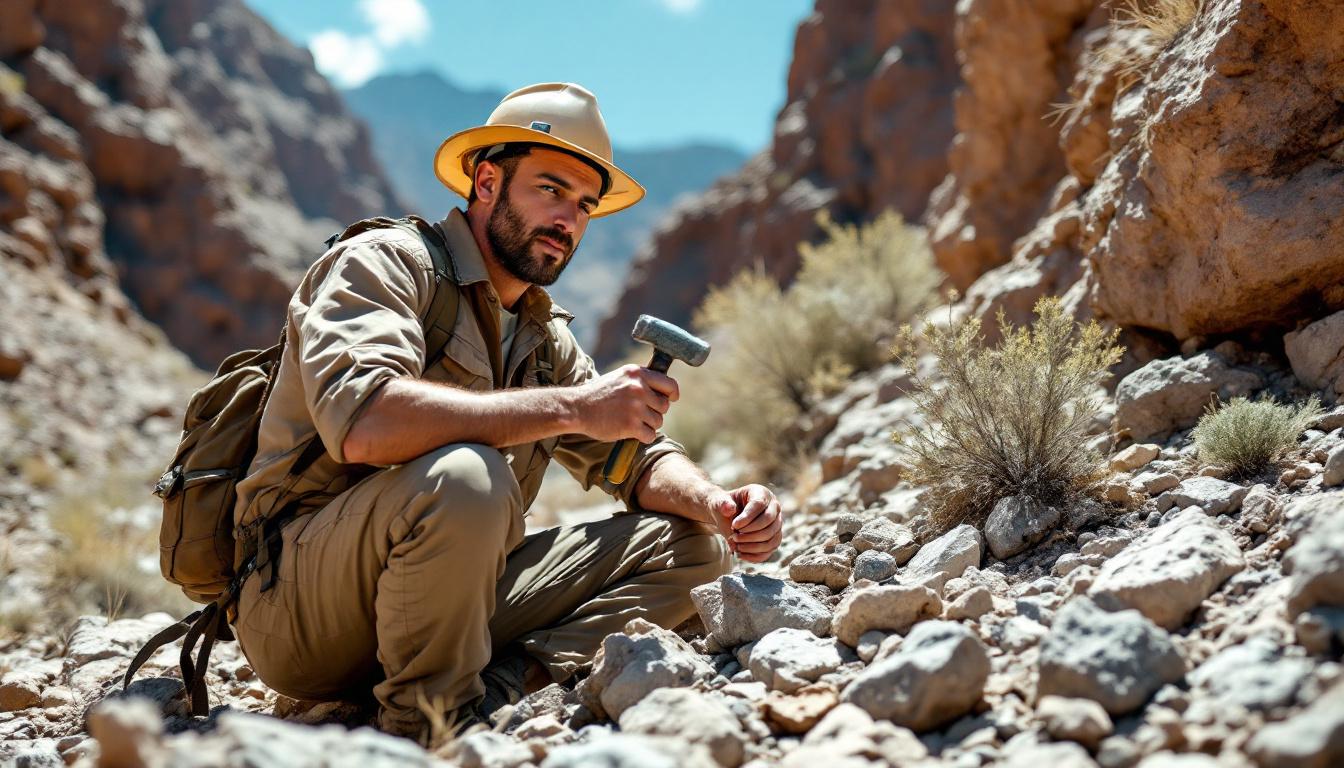
Access to the profession is generally through a university degree in biology or environmental sciences, supplemented by internships or apprenticeships in relevant organizations. Practical experience in field research and diving certifications are often required.
Training — United Kingdom
The formation relies on a professional curriculum oriented towards biological and environmental sciences, including practical training in marine ecosystems and research methodologies. Postgraduate studies or specialized certifications enhance employability.
The job market — United Kingdom
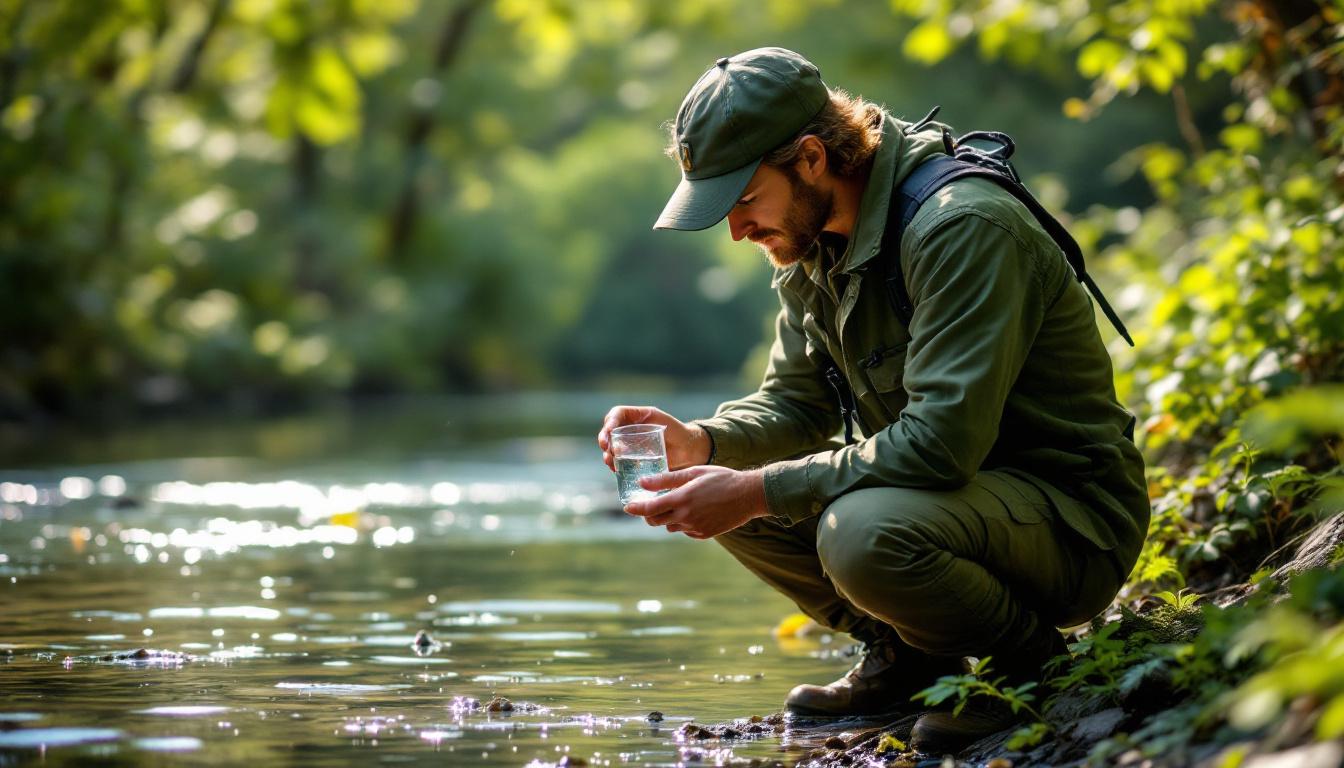
The job market for bionautes is moderate with stable demand primarily in research institutions, environmental consultancies, and public agencies. Remote work is uncommon due to the fieldwork nature of the job, and automation risk is low given the specialized skills required.
Skills
Technical skills
- Proficient in advanced imaging systems for precise diagnostics.
- Utilize bioinformatics tools for data analysis and insights.
- Ensure strict regulatory compliance in all operations.
- Excel in project management to drive initiatives forward.
- Skilled in using data analysis software for comprehensive reporting.
- Master bio-navigation techniques for accurate procedures.
Interpersonal skills
- Fosters collaborative teamwork for successful outcomes.
- Pays attention to detail to ensure accuracy.
- Demonstrates effective communication with diverse teams.
- Exhibits strong problem-solving capabilities in complex situations.
- Shows adaptability in dynamic environments.
- Makes informed decision-making choices under pressure.
- Manages time efficiently to meet project deadlines.
Tasks
- Utilize bioinformatics tools to analyze and interpret biological data for research advancements.
- Collaborate with medical teams to ensure precise bio-navigation in complex procedures.
- Implement advanced imaging systems for accurate biological mapping.
- Optimize exploration techniques within set regulatory compliance frameworks.
- Conduct in-depth analysis of navigation data using specialized software.
- Report findings to management with a focus on patient outcome improvement.
- Negotiate with suppliers to integrate cutting-edge bio-navigation tools under budget constraints.
- Monitor system performance through defined metrics and adjust protocols as necessary.
- Coordinate cross-functional teams for effective task execution in line with deadlines.
Work environments
Work environments for professionals in this sector may vary:
Career paths
- Advance to the role of Senior Bionaut for leadership opportunities.
- Transition to a Research Scientist to spearhead new studies.
- Become a Project Manager in Bioinformatics to oversee large-scale projects.
- Serve as a Healthcare Technology Consultant for strategic guidance.
- Specialize as a Regulatory Compliance Specialist to ensure adherence to standards.