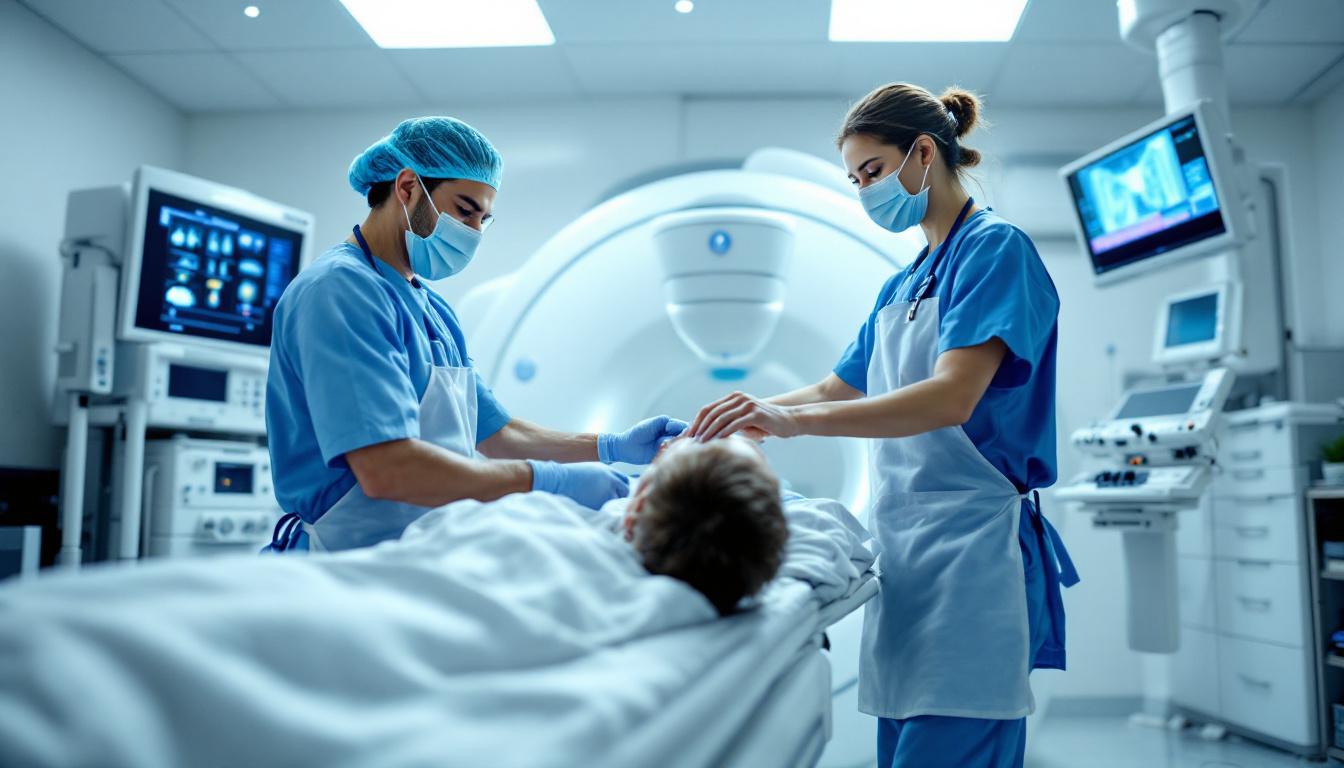
Biomedical Analysis Technician
Perform precise analytical tests in a cutting-edge laboratory to support accurate diagnostics and effective patient treatments.
About
As a Biomedical Analysis Technician in a state-of-the-art healthcare laboratory, you will play a crucial role in patient care by performing precise analytical tests to inform diagnostics and treatments. Collaborating closely with healthcare professionals and utilizing advanced laboratory information management systems, your work ensures accuracy and reliability in all diagnostic outputs. Operating under strict regulatory standards, you will contribute significantly to patient outcomes through meticulous data analysis and expertise in laboratory methodologies.
Entering the profession — India
Access to the profession is primarily through specialized diploma or bachelor's degree programs in medical laboratory technology or biomedical analysis. Some candidates may enter via on-the-job training under supervision in clinical settings.
Training — India
The formation relies on a professional curriculum oriented towards biomedical laboratory techniques, including both theoretical and practical training. Programs typically last from one to three years, combining coursework in biology, chemistry, and laboratory technology with hands-on internships.
The job market — India
The labor market for biomedical analysis technicians is characterized by strong demand driven by the healthcare and diagnostics sectors. The profession offers stable employment opportunities with growth potential as healthcare infrastructure expands.
Skills
Technical skills
- Proficient in Laboratory Information Management Systems for data handling
- Skilled in diagnostic equipment operation
- Capable of detailed data analysis for accurate results
- Familiar with implementing quality control protocols
- Knowledgeable in laboratory safety practices
- Understanding of regulatory compliance requirements
Interpersonal skills
- Exhibits strong attention to detail in all tasks
- Maintains high ethical standards in practice
- Excellent problem-solving abilities
- Effective in team collaboration and communication
- Demonstrates effective communication with peers
Tasks
- Conduct laboratory tests using specialized equipment and LIMS software.
- Analyze and interpret test results to assist healthcare professionals.
- Ensure compliance with regulatory and quality assurance standards.
- Collaborate with doctors and nurses to provide timely diagnostics.
- Maintain precise records for traceability and regulatory audits.
- Monitor quality control protocols to ensure reliable test results.
- Optimize lab operations by implementing efficiency measures.
- Report findings and anomalies to medical staff promptly.
- Coordinate with suppliers to manage inventory levels effectively.
- Participate in laboratory audits and continuous improvement initiatives.
Work environments
Work environments for professionals in this sector may vary:
Career paths
- Progress to Senior Biomedical Technician with advanced responsibilities
- Advance to Laboratory Manager overseeing operations
- Transition to a Quality Control Analyst role ensuring standards
- Become a Medical Researcher contributing to scientific studies