Healthcare Practitioners and Technical Workers, Various
Explore diverse healthcare roles that require unique skills and adaptable expertise.
About
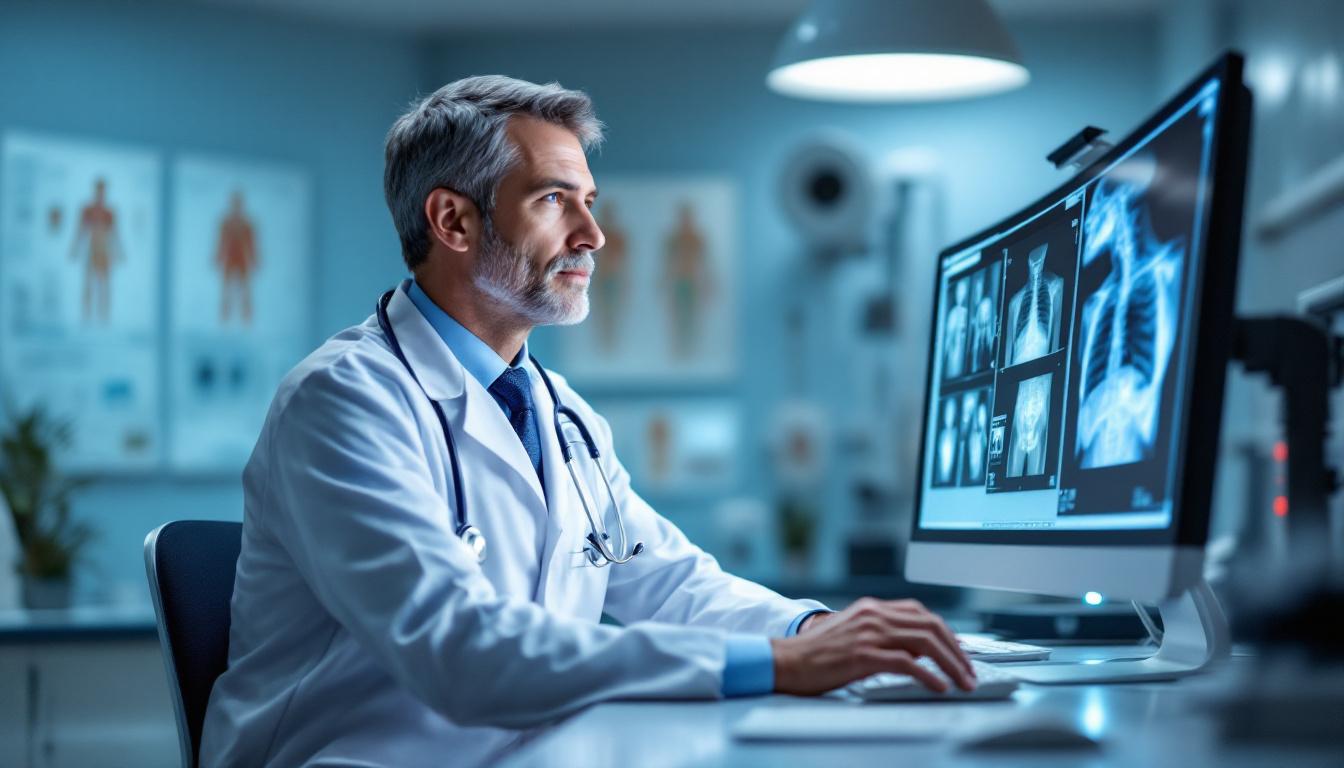
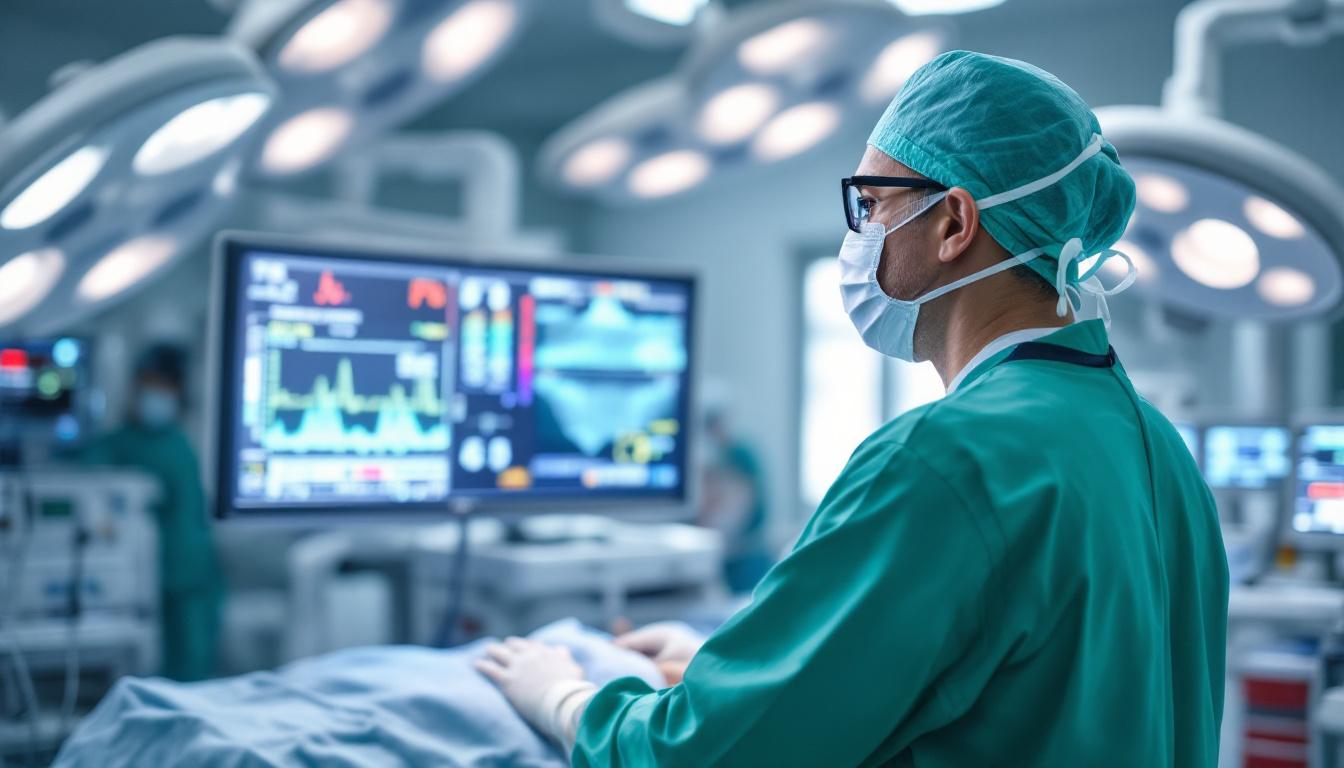
In the ever-evolving world of healthcare, Healthcare Practitioners and Technical Workers, Various encompasses a broad spectrum of roles not specifically listed elsewhere. These professionals play a crucial role in supporting the health sector, often specializing in niche areas that require specific expertise and adaptability. They are the unsung heroes who ensure that healthcare systems run smoothly, from managing cutting-edge technology to providing specialized patient care. Their work impacts countless lives, promoting wellness and improving healthcare outcomes across communities. The demand for such versatile professionals is high, particularly in Europe, where healthcare systems are constantly adapting to new challenges and innovations.
Entering the profession — United Arab Emirates
Access to the profession typically requires completion of accredited health science programs and successful certification. Entry can be through technical institutes or universities, with some roles requiring additional local licensing.
Training — United Arab Emirates
Training is based on professional curricula oriented towards practical healthcare skills, combining theoretical knowledge with clinical practice. Programs range from technical diplomas to bachelor degrees, focusing on specialized health technologies and patient care.
The job market — United Arab Emirates
The healthcare sector shows steady demand for skilled technicians and practitioners, driven by expanding medical facilities and increasing patient needs. Employment opportunities exist mainly in hospitals, private clinics, and specialized care centers, with limited remote work possibilities.
Skills
Technical skills
- Utilize telemedicine platforms to deliver remote healthcare services
- Maintain medical imaging equipment to ensure operational efficiency
- Develop healthcare protocols to enhance patient safety
- Analyze healthcare data to improve service delivery
- Implement health technology solutions for better patient outcomes
Interpersonal skills
- Communicate effectively to explain complex technical information
- Collaborate with teams in interdisciplinary settings
- Adapt in rapidly changing environments
- Think critically to solve complex issues
- Show empathy to support patient-centered care
Tasks
- Assist in implementing telemedicine solutions for remote patient care
- Provide technical support for medical imaging equipment to ensure functionality
- Develop protocols for using biomedical devices effectively in clinical settings
- Conduct audits to ensure compliance with health regulations and standards
- Collaborate with multidisciplinary teams to enhance patient outcomes
- Train staff on utilizing new healthcare technologies efficiently
- Analyze data to boost efficiency in healthcare delivery
- Participate in research and development of innovative medical solutions
Work environments
Work environments for professionals in this sector may vary:
Career paths
- Progress to Healthcare Manager to oversee hospital or clinic operations
- Advance as a Clinical Research Coordinator to lead clinical trials
- Specialize as a Medical Technology Specialist in advanced equipment
- Consult as a Public Health Consultant advising on policies
- Educate as a Healthcare Educator to train future professionals