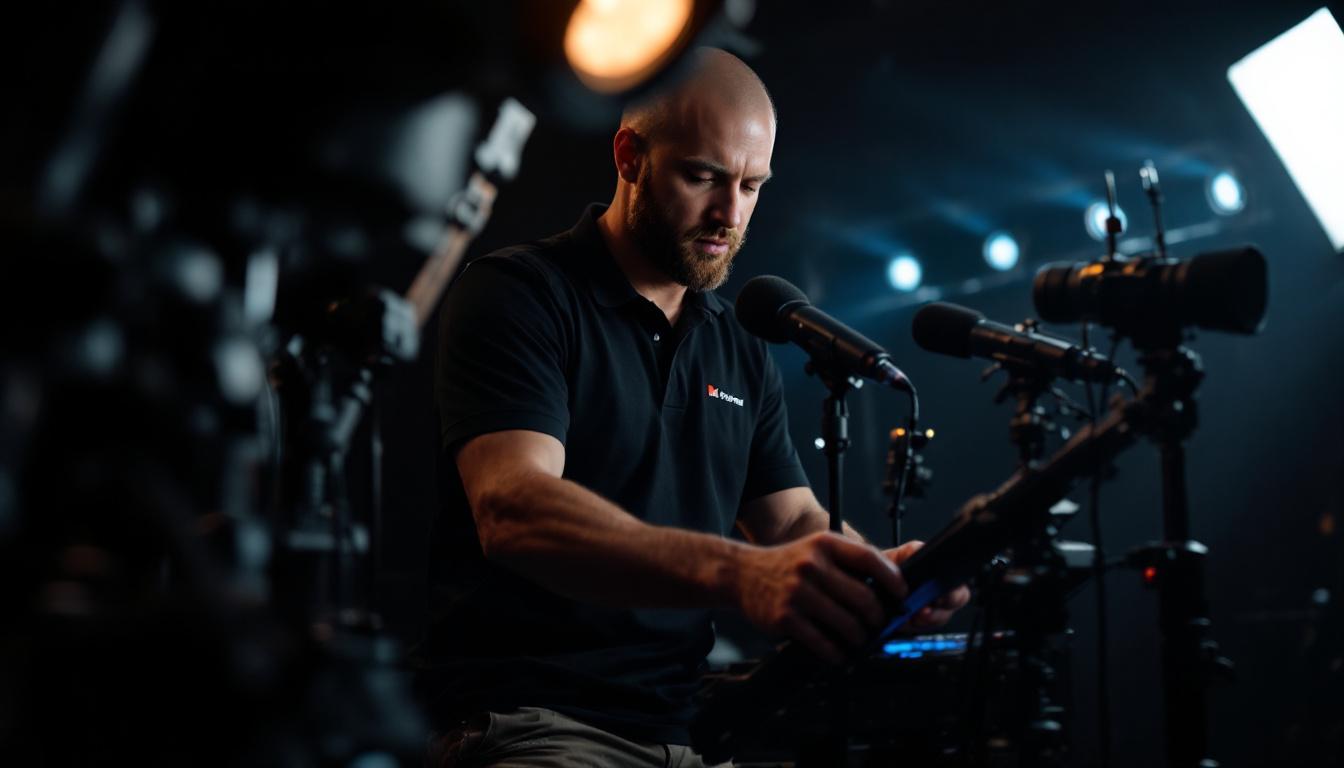
Assistant Director
Support the director by managing daily operations, coordinating with the crew, and ensuring production stays on schedule and within budget.
About
As an Assistant Director in the film industry, you play a pivotal role in driving the success of productions. Operating within a dynamic and demanding environment, your main objective is to seamlessly support the director by managing daily operational activities, coordinating with key stakeholders including the crew and cast, and ensuring the production adheres to the schedule and budget constraints. Leveraging tools like scheduling software and communication platforms, you optimize workflow and troubleshoot on-set challenges to maintain efficiency and quality.
Skills
Technical skills
- Expertise in project management tools for efficient planning.
- Proficiency with scheduling software to streamline operations.
- Strong budget management skills to keep finances in check.
- Familiarity with communication platforms for seamless interaction.
- Efficient resource allocation to maximize production efficiency.
- Knowledge of safety and compliance standards on set.
- Experience in vendor negotiation to secure best deals.
- Logistical coordination skills for smooth execution.
Interpersonal skills
- Effective multitasking in high-pressure environments.
- Strong problem-solving under pressure.
- Exemplary leadership guiding teams to success.
- Meticulous attention to detail in all tasks.
- High adaptability to dynamic situations.
- Decisive decision-making in critical moments.
- Strategic planning for long-term success.
- Collaborative mindset fostering teamwork.
Tasks
- Coordinate detailed shooting schedules using professional software.
- Manage and communicate daily updates to cast and crew to meet tight filming deadlines.
- Optimize resource allocation to stay within budget constraints during production.
- Ensure compliance with industry safety standards and regulations on set.
- Coordinate closely with directors and other departmental heads to achieve artistic vision.
- Monitor production progress and performance metrics to quickly address issues.
- Negotiate with vendors to secure needed equipment under budget limits.
- Organize rehearsals and logistics for smooth day-to-day shooting operations.
- Maintain clear and efficient communication channels among all stakeholders.
- Adapt shooting plans as necessary based on weather, budget, or resource changes.
Work environments
Work environments for professionals in this sector may vary:
Career paths
- Progress to Director to lead entire film projects.
- Advance to Production Manager overseeing all production phases.
- Become a Film Producer managing the film's financial and creative aspects.
- Move into a Line Producer role ensuring smooth daily operations.
- Transition to Post-Production Supervisor to oversee the editing process.