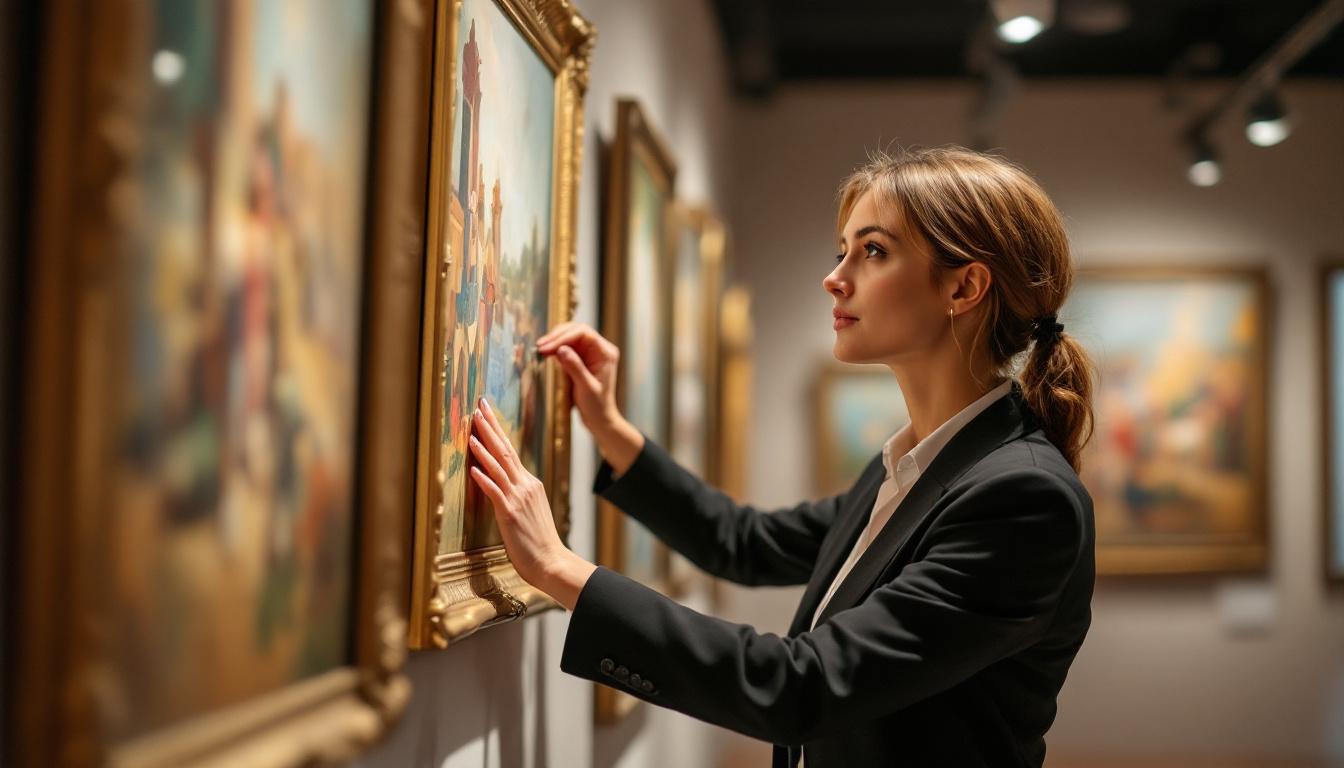
Art Critic
Evaluate and analyze artistic works to produce insightful critiques that shape public perception and academic discourse.
About
As an Art Critic within the dynamic world of art and culture, you will play a pivotal role in shaping public perception and academic discourse. By utilizing your analytical skills and deep understanding of art history, you'll assess the impact of various artistic works both in print and digital formats. Collaborate with galleries and publishers to deliver insightful critiques that influence audience engagement and artist recognition. Your role is crucial in fostering innovation in artistic expression while maintaining critical standards and integrity.
Entering the profession — Canada
Entry often through internships or assistant roles in galleries or media outlets; building a portfolio of published critiques is essential.
Training — Canada
Typically requires a bachelor's degree in art history or fine arts, with additional training in criticism and writing.
The job market — Canada
Employment opportunities exist in media, cultural institutions, and publishing; freelance work is common.
Skills
Technical skills
- Possess expertise in art history for informed critiques
- Proficient in using publishing software for content creation
- Experienced with digital media platforms for broader reach
- Skilled in research methodologies to support analyses
- Editorial proficiency for accurate and engaging writing
- Utilize social media analytics to gauge audience response
Interpersonal skills
- Maintain an analytical mindset to evaluate art effectively
- Demonstrate cultural sensitivity in diverse art contexts
- Exhibit strong verbal communication skills in public forums
- Uphold professional integrity in all art critiques
- Pay attention to detail when analyzing artistic elements
Tasks
- Collaborate with gallery curators to analyze art exhibitions and assess their impact on the audience.
- Craft detailed critiques using publishing software to ensure precise and impactful communication.
- Engage with artists and art historians to provide comprehensive reviews of new works.
- Evaluate artistic techniques in exhibitions against historical and current trends with an analytical approach.
- Participate in panel discussions and lectures to share insights on artistic directions and market trends.
- Contribute to art journals and magazines, adhering to editorial deadlines and guidelines.
- Utilize digital media platforms for public engagement and enhancing the reach of art critiques.
- Monitor and assess audience reactions and engagement using social media analytics tools.
- Develop connections with artists and cultural organizations to gather insights into emerging art forms.
Work environments
Work environments for professionals in this sector may vary:
Career paths
- Advance to a Senior Art Critic role to lead critical reviews
- Transition into an Art Director position overseeing creative projects
- Become a Curator to manage and organize exhibitions
- Pursue a career as an Art Historian to explore art's past and present