Aquaculture Farmer
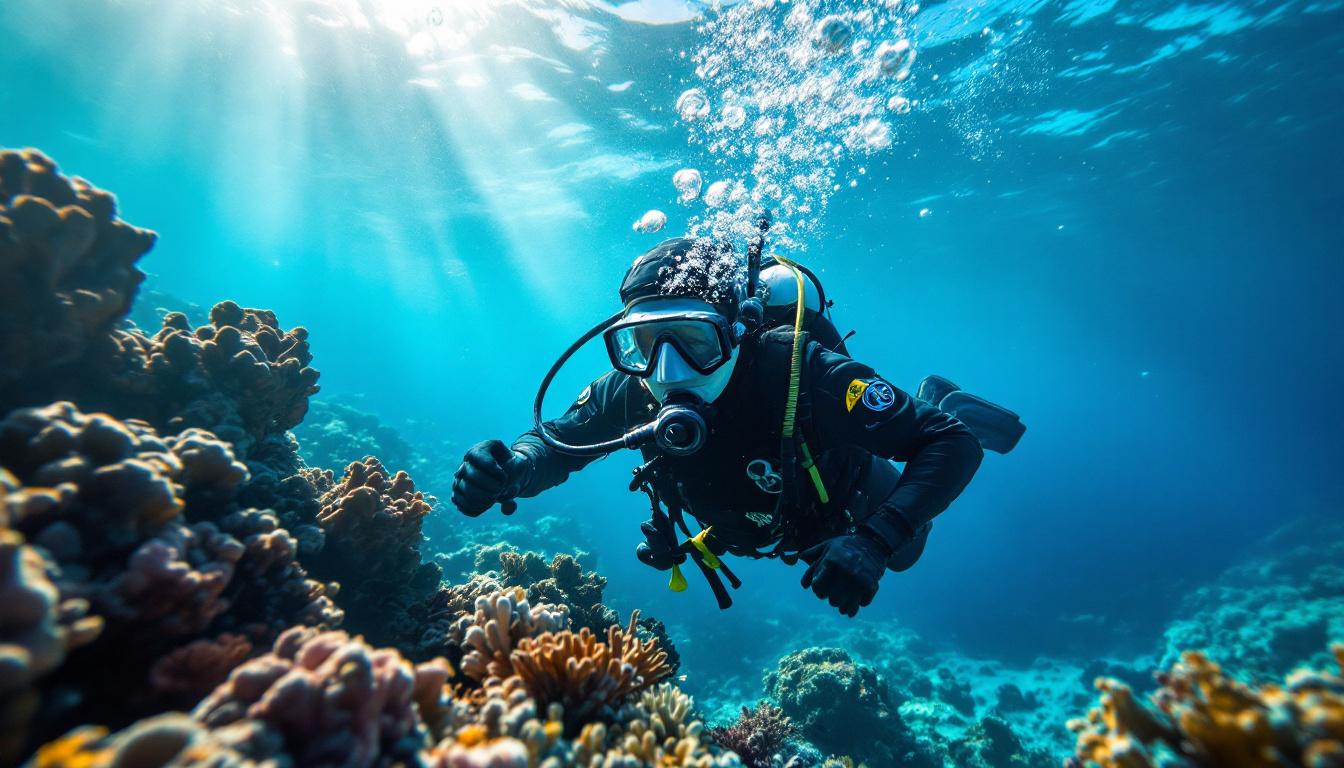
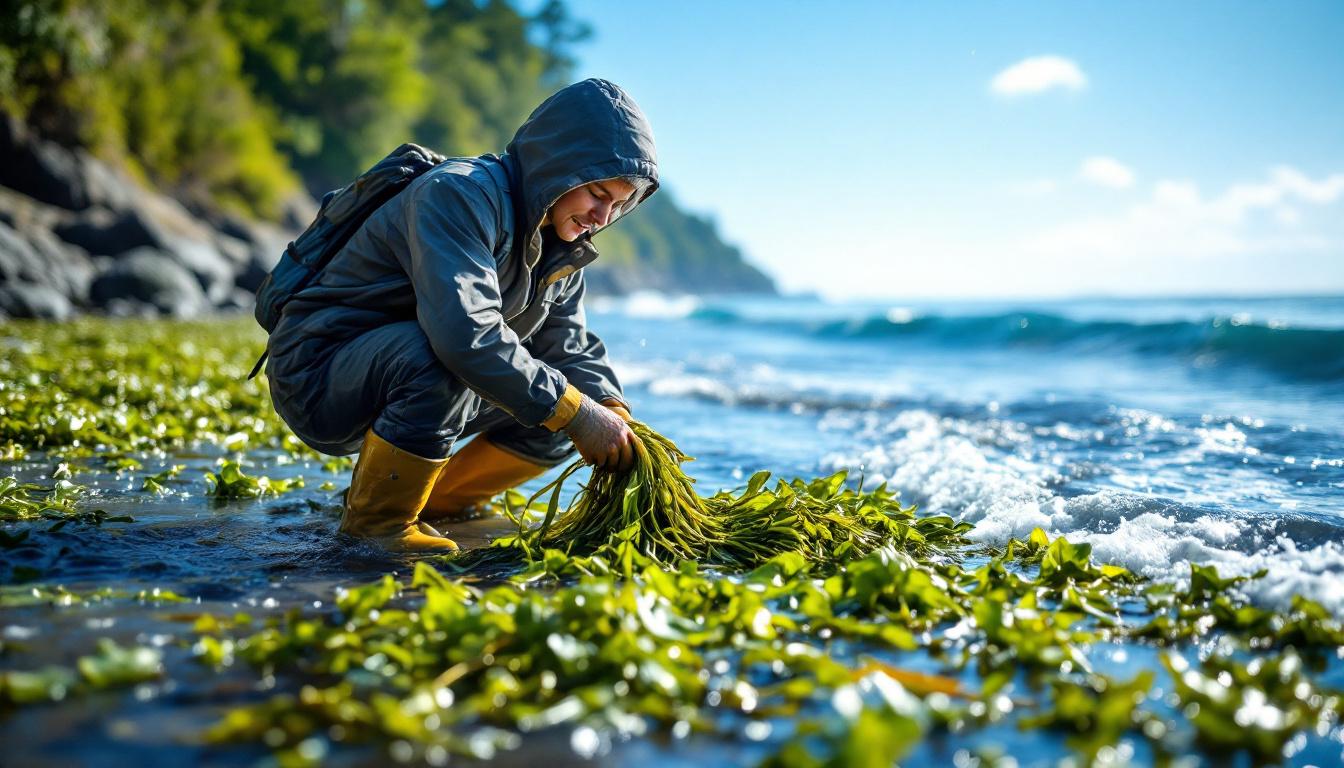
Monitor and manage aquaculture systems to ensure sustainable seafood production while adhering to environmental regulations and quality standards.
About
As an Aquaculture Farmer, you will play a crucial role in producing sustainable seafood, impacting both local ecosystems and the economy. Situated in the agricultural sector, your main objective is to optimize aquaculture production while ensuring environmental compliance and maintaining quality standards. You will work with advanced monitoring tools and collaborate with regulatory bodies to track and report on farm performance, ensuring product safety and sustainability.
Entering the profession — United Kingdom
Access to the profession is possible through apprenticeships, vocational diplomas, or university degrees in related fields. Prior experience in fisheries or environmental science can facilitate entry with supplementary training.
Training — United Kingdom
Training is based on a professional curriculum oriented towards marine biology, aquaculture techniques, and environmental management. It includes theoretical learning and practical internships to ensure operational readiness.
The job market — United Kingdom
The job market is moderately demanding with stable opportunities in commercial fish farms, research institutions, and environmental consultancies. Automation is gradually affecting routine tasks, but skilled operators remain essential. Growth is steady with ongoing interest in sustainable seafood production.
Skills
Technical skills
- Proficient in aquaculture management systems for efficient operations
- Skilled in water quality monitoring to maintain optimal conditions
- Expertise in using data analysis tools for informed decision-making
- Strong grasp of budget management for cost-effective solutions
- Thorough understanding of regulatory compliance requirements
- Effective in stock management techniques to optimize resources
Interpersonal skills
- Strong problem-solving abilities to tackle challenges
- Effective in negotiation to secure favorable terms
- Proven team leadership skills to drive performance
- Excellent organizational skills for efficient task management
- Analytical thinking to interpret data and trends
- Adaptability to changing environments and demands
Tasks
- Optimize feeding schedules using aquaculture software to boost growth rates while minimizing waste.
- Monitor water quality parameters daily to ensure a healthy environment for aquatic species, collaborating with environmental scientists for data analysis.
- Negotiate with suppliers to secure cost-effective feed and equipment, ensuring high-quality standards within budget constraints.
- Supervise farm staff in stock management and daily operations, setting productivity KPIs to measure performance.
- Implement health management protocols, coordinating with veterinary experts to minimize disease outbreaks.
- Conduct regular audits on production processes, ensuring adherence to regulatory standards and efficiency metrics.
- Develop contingency plans for climate variability, using predictive analytics and historical data.
- Prepare detailed reports on farm outputs and profitability, presenting them to management quarterly.
- Participate in regional ecological meetings to exchange best practices and emerging technologies in aquaculture.
- Track inventory levels of aquatic products, ensuring timely harvesting aligned with market demand and client contracts.
Work environments
Work environments for professionals in this sector may vary:
Career paths
- Progress to Senior Farm Manager overseeing larger operations
- Become an Aquaculture Consultant advising on industry best practices
- Advance to Sustainability Officer promoting eco-friendly initiatives
- Transition to Regulatory Affairs Manager ensuring compliance