Animal Trainer
Utilize specialized training methods to shape animal behaviors while ensuring safety and adhering to ethical standards in various settings.
About
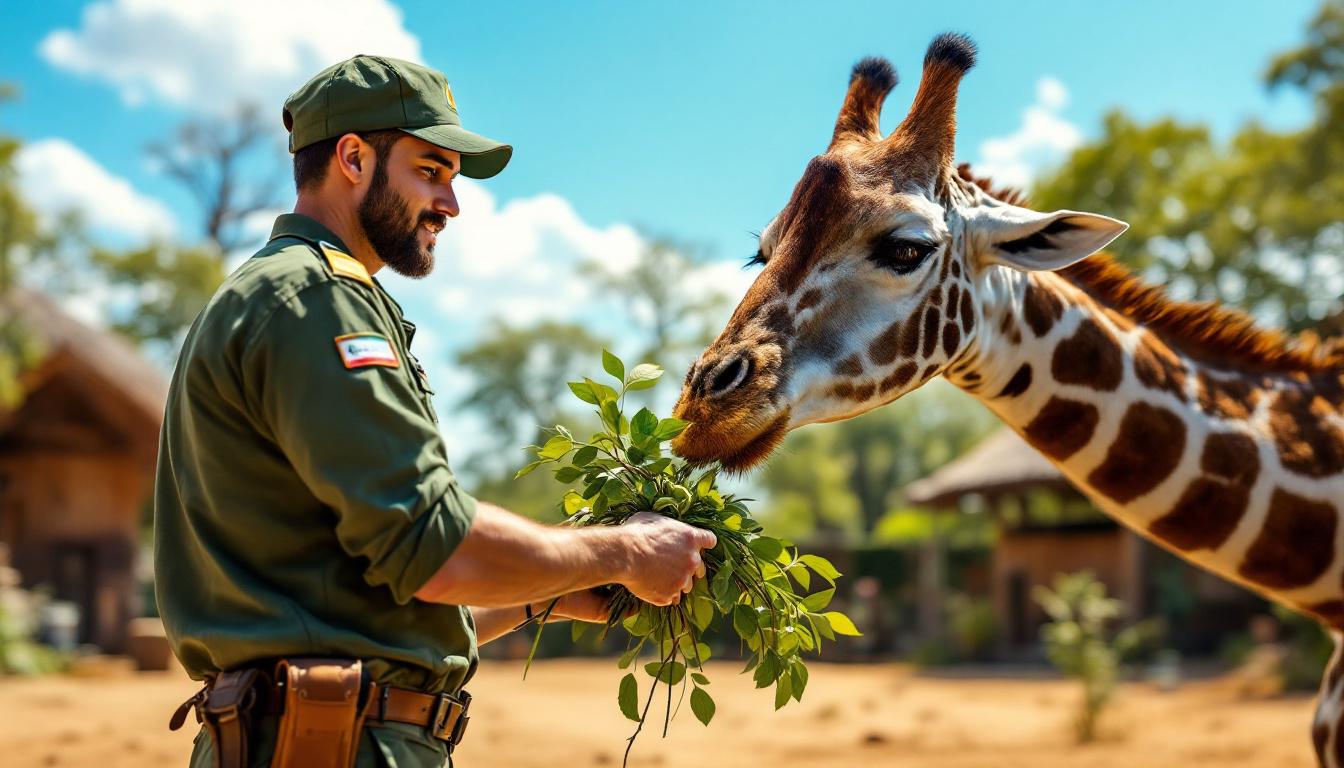
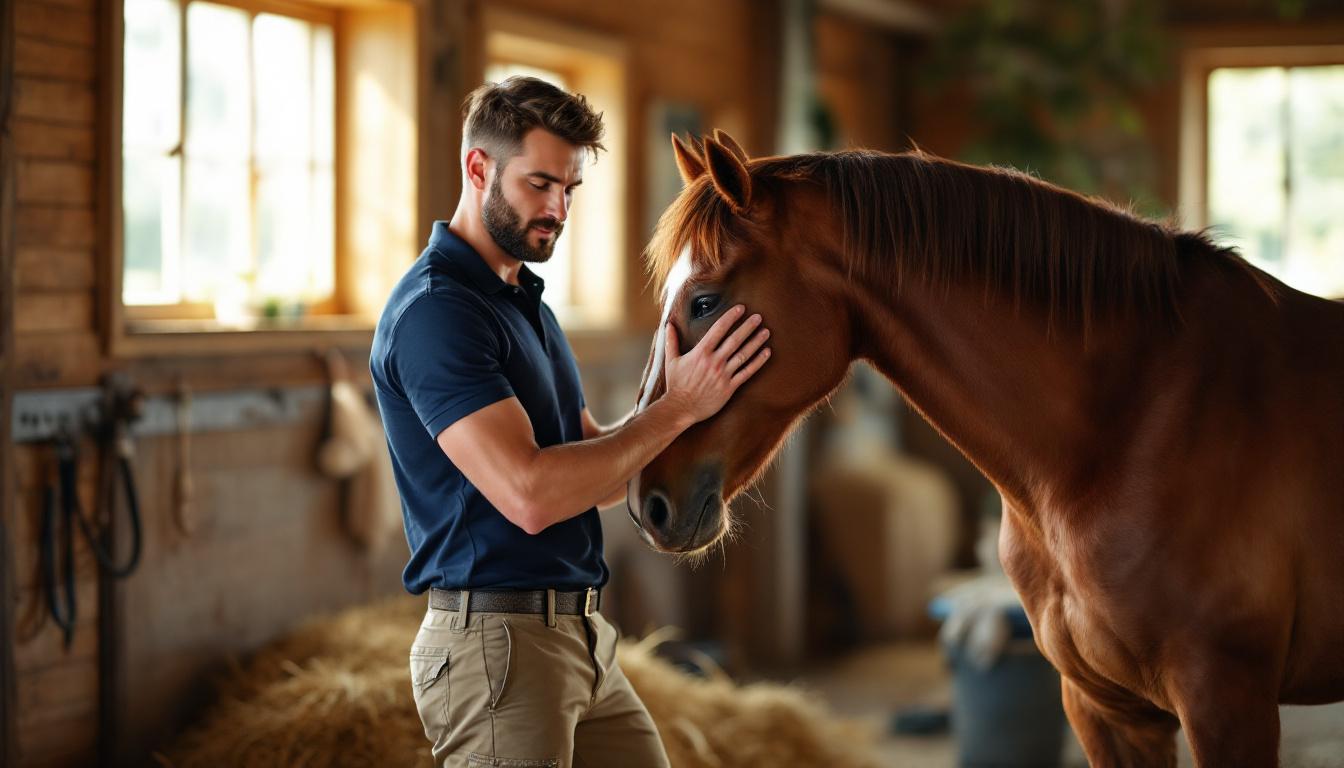
As an Animal Trainer, you play a crucial role in enhancing the well-being and performance of animals within zoo, research, or entertainment settings. Your key responsibility is to utilize specific training methods to achieve desired behaviors, considering both safety and ethical standards. A solid understanding of animal behavior, the use of conditioning techniques, and collaboration with veterinarians, zookeepers, and animal caretakers is essential. This role demands a deep commitment to animal welfare and continuous improvement through monitoring and adapting training regimens.
Entering the profession — Hong Kong
Entry is often through vocational training programs or apprenticeships with experienced trainers. Prior experience with animals is beneficial.
Training — Hong Kong
Animal trainers usually complete secondary education followed by vocational training or certification in animal care or behaviour. Practical experience is highly valued.
The job market — Hong Kong
The job market includes zoos, animal shelters, and entertainment companies. Demand is moderate with stable growth prospects.
Skills
Technical skills
- Master Animal Behavior Analysis to understand species-specific needs.
- Apply Operant Conditioning techniques effectively.
- Utilize Clicker Training for positive reinforcement.
- Record and interpret Behavioral Data accurately.
- Conduct comprehensive Risk Assessments for safety.
- Engage in Wildlife Management practices.
- Design and implement Enrichment Programs for animal stimulation.
- Ensure compliance with Animal Welfare standards.
Interpersonal skills
- Show empathy towards animals in all interactions.
- Maintain patience in challenging situations.
- Demonstrate a strong problem-solving aptitude.
- Communicate effectively with teams and stakeholders.
- Excel in team collaboration to achieve common goals.
- Utilize keen observation skills to monitor animal behavior.
Tasks
- Develop customized training plans for various animal species using conditioning techniques.
- Collaborate with zookeepers and veterinarians to ensure the health and safety of animals.
- Monitor and document animal progress, adjusting training methods as necessary.
- Conduct educational sessions and demonstrations to engage visitors and stakeholders.
- Ensure compliance with ethical and legal standards in animal training procedures.
- Analyze behavior data to optimize training outcomes and enhance animal well-being.
- Implement enrichment activities to stimulate mental and physical activity in animals.
- Report training progress and challenges to management and animal care teams.
- Evaluate the effectiveness of training programs through performance metrics.
- Ensure the safety of both animals and trainers through risk assessment and control measures.
Work environments
Work environments for professionals in this sector may vary:
Career paths
- Progress to Senior Animal Trainer to lead training initiatives.
- Advance as an Animal Behavior Specialist to analyze intricate behaviors.
- Become a Zoo Curator to oversee animal care and exhibitions.
- Consult as an Animal Welfare Consultant to ensure ethical practices.
- Manage training programs as a Training Program Manager.