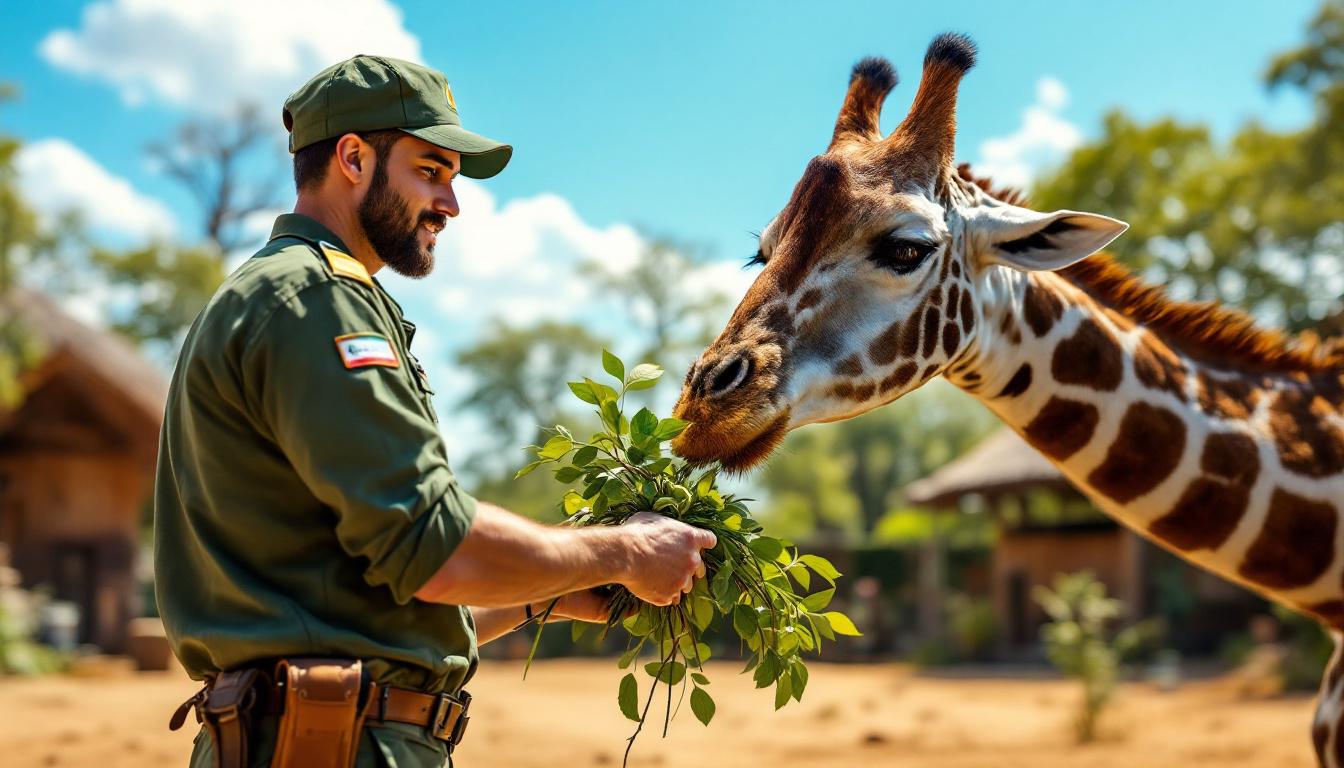
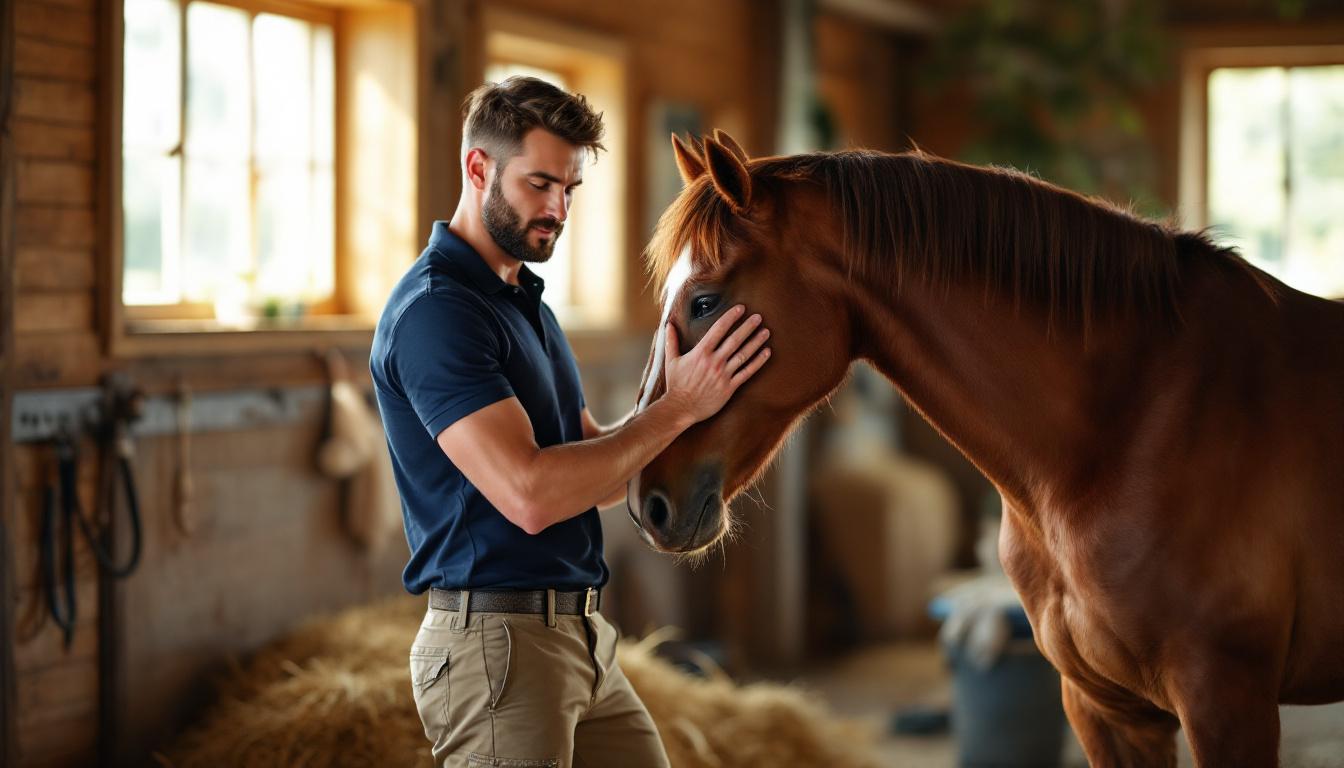
Animal Trainer
Utilize specialized training methods to shape animal behaviors while ensuring safety and adhering to ethical standards in various settings.
About
As an Animal Trainer, you play a crucial role in enhancing the well-being and performance of animals within zoo, research, or entertainment settings. Your key responsibility is to utilize specific training methods to achieve desired behaviors, considering both safety and ethical standards. A solid understanding of animal behavior, the use of conditioning techniques, and collaboration with veterinarians, zookeepers, and animal caretakers is essential. This role demands a deep commitment to animal welfare and continuous improvement through monitoring and adapting training regimens.
Entering the profession — Denmark
Entry is often through vocational programs or hands-on experience in animal shelters or related fields. Networking and internships can improve job prospects.
Training — Denmark
Animal trainers typically complete vocational training or apprenticeships focusing on animal behavior and care. Formal education beyond secondary level is not always required but can be beneficial.
The job market — Denmark
The job market includes zoos, animal shelters, and entertainment companies. Demand is steady with opportunities in specialized training and animal behavior consultancy.
Skills
Technical skills
- Master Animal Behavior Analysis to understand species-specific needs.
- Apply Operant Conditioning techniques effectively.
- Utilize Clicker Training for positive reinforcement.
- Record and interpret Behavioral Data accurately.
- Conduct comprehensive Risk Assessments for safety.
- Engage in Wildlife Management practices.
- Design and implement Enrichment Programs for animal stimulation.
- Ensure compliance with Animal Welfare standards.
Interpersonal skills
- Show empathy towards animals in all interactions.
- Maintain patience in challenging situations.
- Demonstrate a strong problem-solving aptitude.
- Communicate effectively with teams and stakeholders.
- Excel in team collaboration to achieve common goals.
- Utilize keen observation skills to monitor animal behavior.
Tasks
- Develop customized training plans for various animal species using conditioning techniques.
- Collaborate with zookeepers and veterinarians to ensure the health and safety of animals.
- Monitor and document animal progress, adjusting training methods as necessary.
- Conduct educational sessions and demonstrations to engage visitors and stakeholders.
- Ensure compliance with ethical and legal standards in animal training procedures.
- Analyze behavior data to optimize training outcomes and enhance animal well-being.
- Implement enrichment activities to stimulate mental and physical activity in animals.
- Report training progress and challenges to management and animal care teams.
- Evaluate the effectiveness of training programs through performance metrics.
- Ensure the safety of both animals and trainers through risk assessment and control measures.
Work environments
Work environments for professionals in this sector may vary:
Career paths
- Progress to Senior Animal Trainer to lead training initiatives.
- Advance as an Animal Behavior Specialist to analyze intricate behaviors.
- Become a Zoo Curator to oversee animal care and exhibitions.
- Consult as an Animal Welfare Consultant to ensure ethical practices.
- Manage training programs as a Training Program Manager.