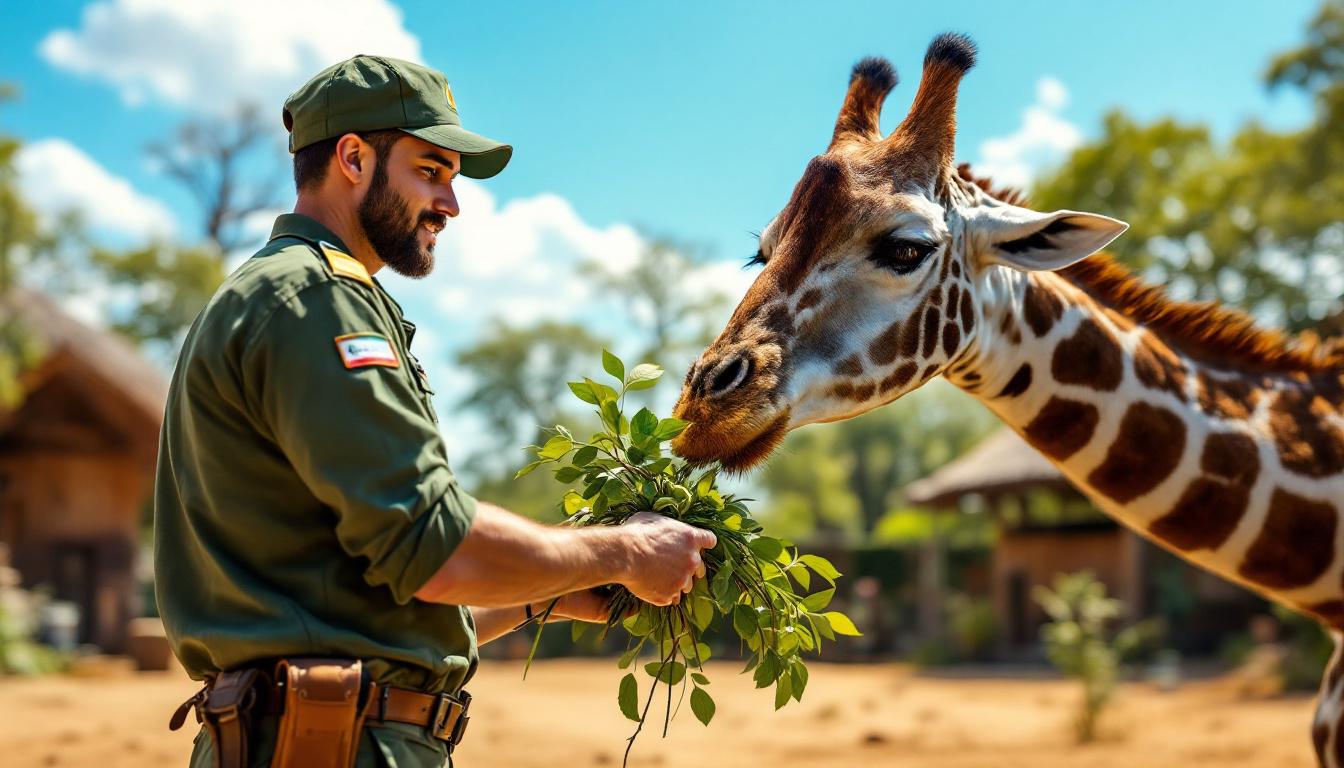
Animal Research Officer
Conduct rigorous experiments to advance scientific understanding of animal biology and improve welfare and health outcomes.
About
As an Animal Research Officer, your primary role within our dedicated team is to advance scientific understanding in animal biology, focusing on improving welfare and health outcomes. Working within a university-linked research institute, you will conduct rigorous experiments and collaborate with leading experts. You will manage project budgets, ensure compliance with ethical standards, and use specialized software to analyze data. By liaising with other researchers, your work will directly contribute to meaningful advancements in animal science and impact future policies.
Entering the profession — New Zealand
Entry is typically through university education, internships, or volunteer work in relevant organizations. Experience in animal care or research is highly valued.
Training — New Zealand
Animal Research Officers generally complete a bachelor's degree in biological sciences or related fields, often supplemented by specialized training in animal handling and research methodologies.
The job market — New Zealand
The job market is moderately competitive with opportunities primarily in research institutions, environmental NGOs, and government agencies focused on conservation and wildlife management.
Skills
Technical skills
- Proficient in statistical analysis software for data evaluation
- Experienced in ethical compliance procedures
- Skilled in lab equipment management and maintenance
- Expertise in data interpretation techniques
- Knowledgeable about animal welfare standards
- Capable of scientific report writing with clarity
Interpersonal skills
- Strong analytical thinking for effective problem-solving
- Effective communication with teams and stakeholders
- Attention to detail ensuring precision in research
- Collaboration in diverse teams to achieve common goals
- Problem-solving under constraints with creativity
Tasks
- Conduct in-depth animal studies using specialized lab equipment and advanced data analysis tools.
- Ensure compliance with ethical guidelines while coordinating with regulatory bodies.
- Collaborate with academic researchers to publish findings in peer-reviewed journals.
- Monitor animal health indicators and adjust research protocols as necessary.
- Manage project timelines and budgets to ensure efficient resource use.
- Engage with funding bodies to secure financial support for ongoing research.
- Analyze data using statistical software to derive actionable insights.
- Prepare detailed reports for presentation to stakeholders.
- Maintain research databases ensuring accuracy and accessibility.
- Facilitate training sessions for junior researchers and students.
Work environments
Work environments for professionals in this sector may vary:
Career paths
- Advance to a Senior Research Fellow role to lead complex projects
- Transition into a Project Manager position, overseeing extensive research initiatives
- Become an Academic Lecturer to educate future researchers
- Work as a Research Consultant providing expert insights
- Pursue leadership roles within regulatory bodies