Country
Sector
Search a job
Animal Osteopath
Assess and treat biomechanical issues in animals to enhance their mobility and overall quality of life through specialized osteopathic techniques.
30 000 – 70 000 USD ($)
Average salary / year
Post-secondary vocational training
Education level
00
Automation level
Low
Difficulty
Stable
Employability
1-2 years
Market tension
Moderate
Intl. mobility
Rare
Automation level
Low
Difficulty
Stable
Employability
1-2 years
Market tension
Moderate
Intl. mobility
Rare
About
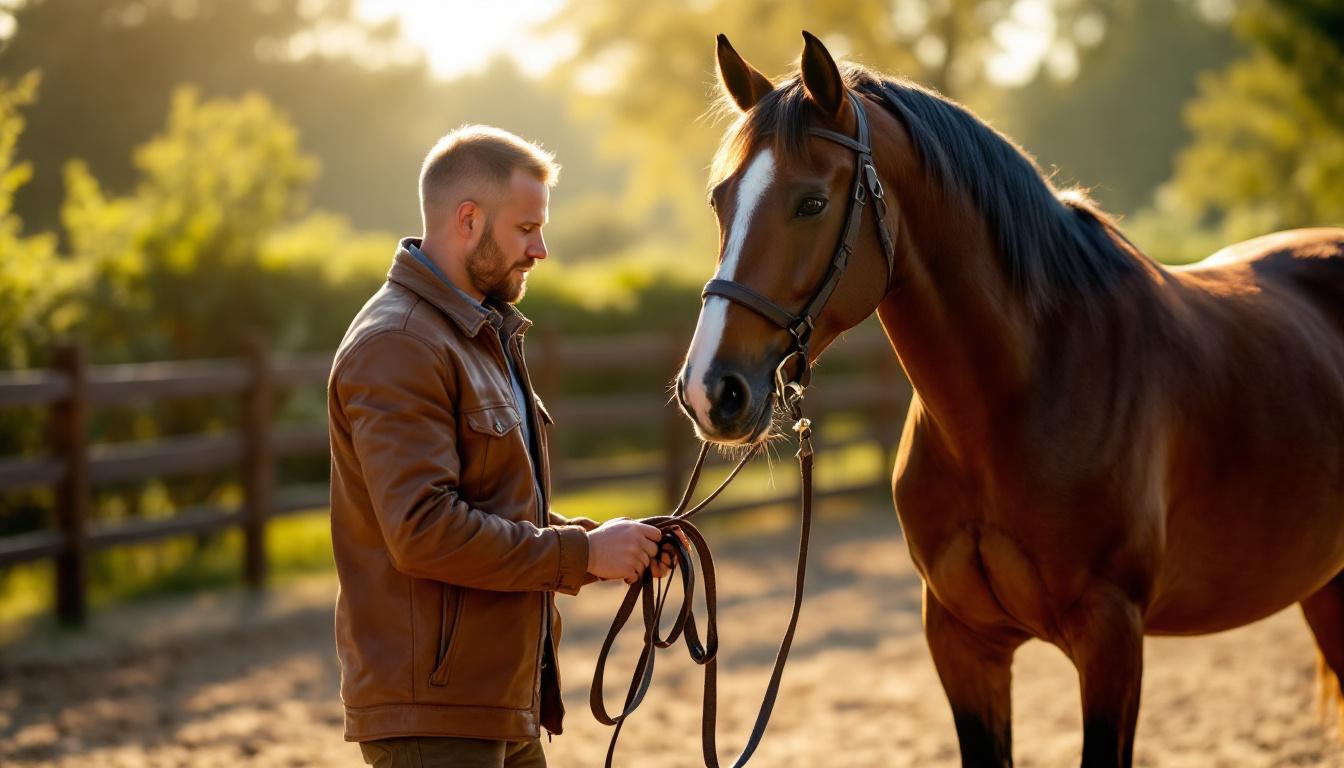
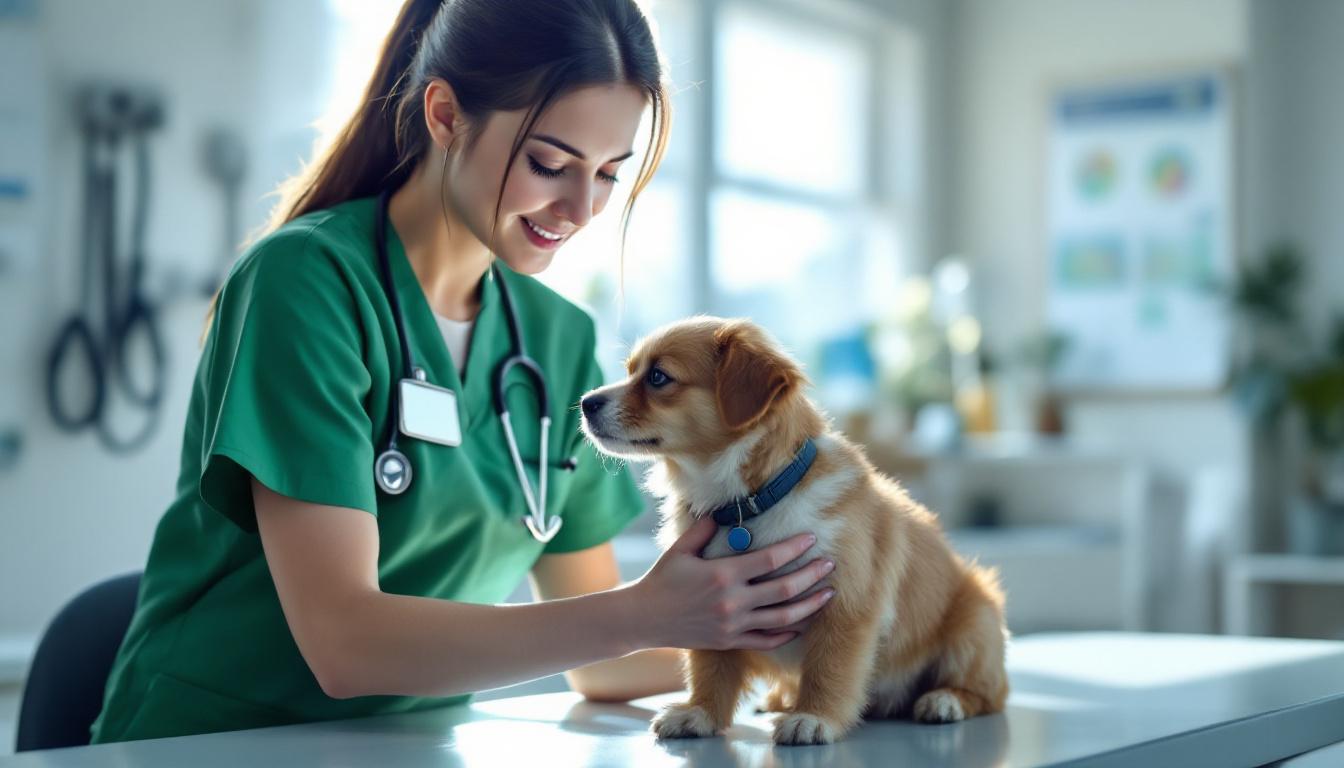
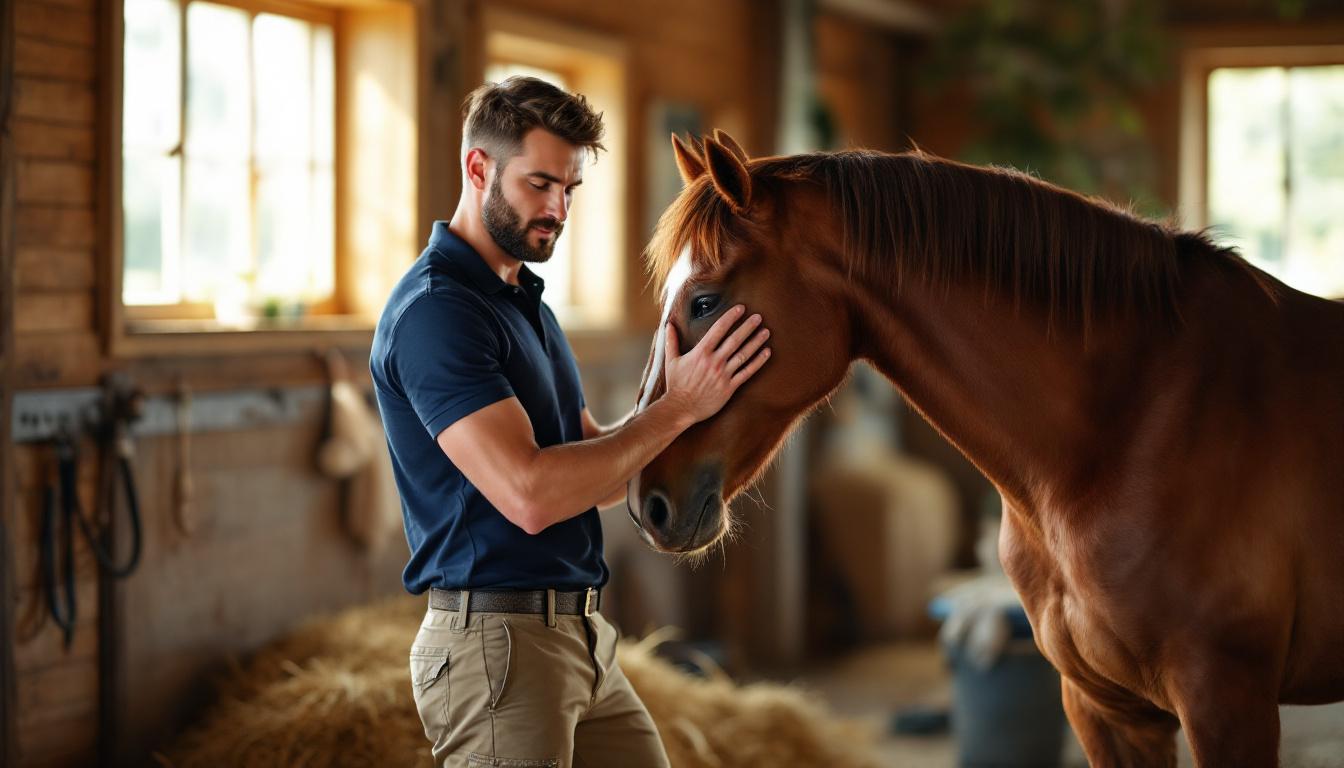
An Animal Osteopath is pivotal in improving the well-being of animals through specialized musculoskeletal treatments. Working primarily in a veterinary or animal rehabilitation environment, the role's main objective is to assess and address biomechanical issues affecting animals, potentially enhancing their mobility and quality of life. By interacting closely with veterinarians and animal caregivers, and using advanced diagnostic tools, the osteopath ensures tailored treatments are effectively administered.
Skills
Technical skills
- Perform detailed biomechanical analysis for accurate diagnosis
- Demonstrate proficiency in veterinary software for efficient record-keeping
- Apply advanced therapeutic techniques to enhance recovery
- Possess comprehensive animal anatomy knowledge for effective treatment
- Implement rehabilitation methods tailored to individual needs
- Maintain meticulous record-keeping for tracking progress
Interpersonal skills
- Show genuine empathy towards animals and owners
- Excel in communication with caregivers for seamless care
- Exhibit strong attention to detail in every task
- Apply effective problem-solving to overcome challenges
- Demonstrate adaptability in dynamic environments
Tasks
- Conduct thorough biomechanical assessments using specialized diagnostic tools.
- Develop treatment plans that adhere to veterinary guidelines and ethical standards.
- Collaborate with veterinarians to tailor interventions for specific conditions.
- Monitor animal progress and adjust treatments to meet defined improvement metrics.
- Coordinate follow-up care with animal caregivers for sustained recovery.
- Maintain detailed records of treatments, progress, and outcomes using industry-standard software.
- Educate pet owners on preventative care to reduce future musculoskeletal issues.
- Ensure compliance with all legal requirements and industry standards.
Work environments
Work environments for professionals in this sector may vary:
Veterinary clinics providing comprehensive animal care services
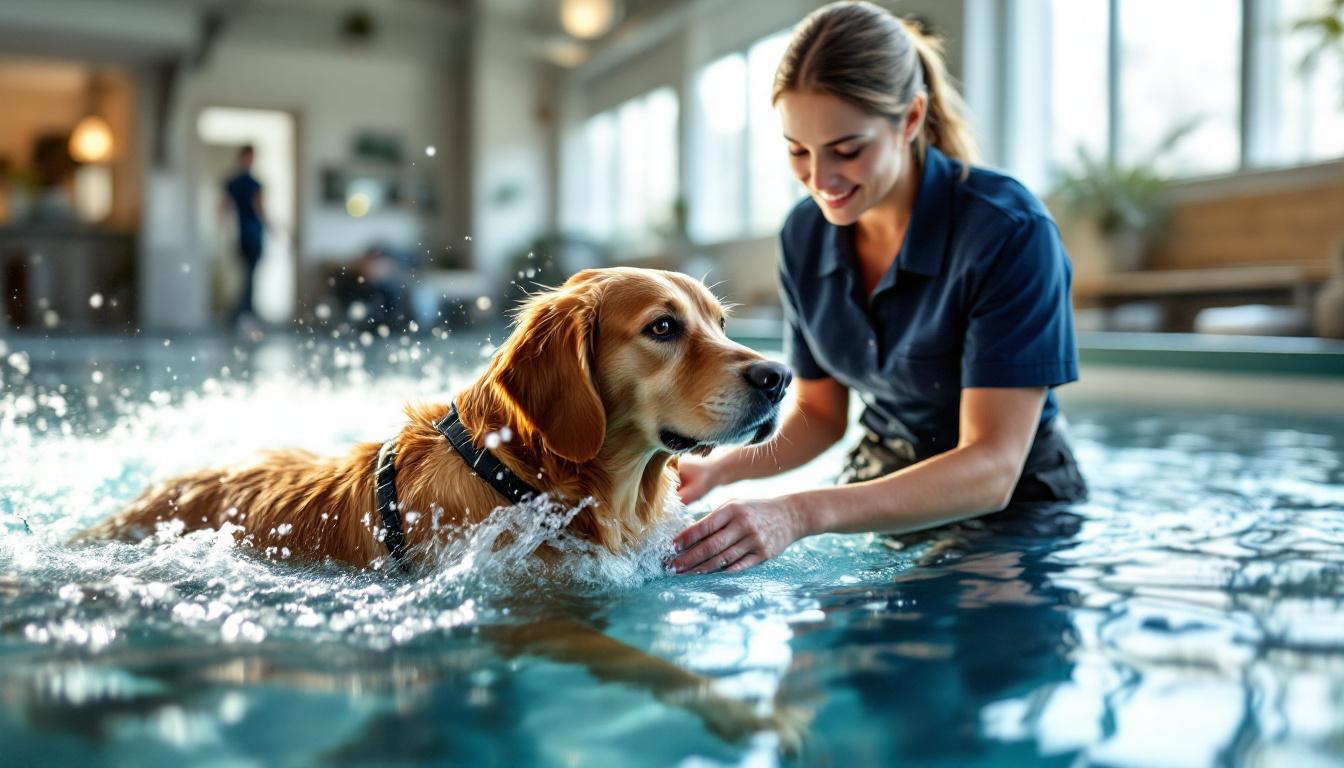
Animal rehabilitation centers focusing on recovery and therapy
Animal shelters offering safe havens for abandoned animals
Research laboratories conducting innovative studies on animal health
Private practices delivering personalized osteopathic treatments
Educational institutions promoting advanced learning in animal care
Career paths
- Progress to a Senior Osteopath overseeing complex cases
- Advance to Clinic Manager for operational leadership
- Specialize as a Rehabilitation Specialist focusing on recovery
- Become a Veterinary Lecturer sharing expertise
- Transition to an Animal Physiotherapist for targeted therapy
Profile sought
Detail oriented with a keen eye for accuracy
Compassionate in providing care to animals
Patient focused, ensuring individualized attention
Collaborative with a strong team spirit
Ethically minded, adhering to professional standards
How to become a Animal Osteopath?