Airline Pilot
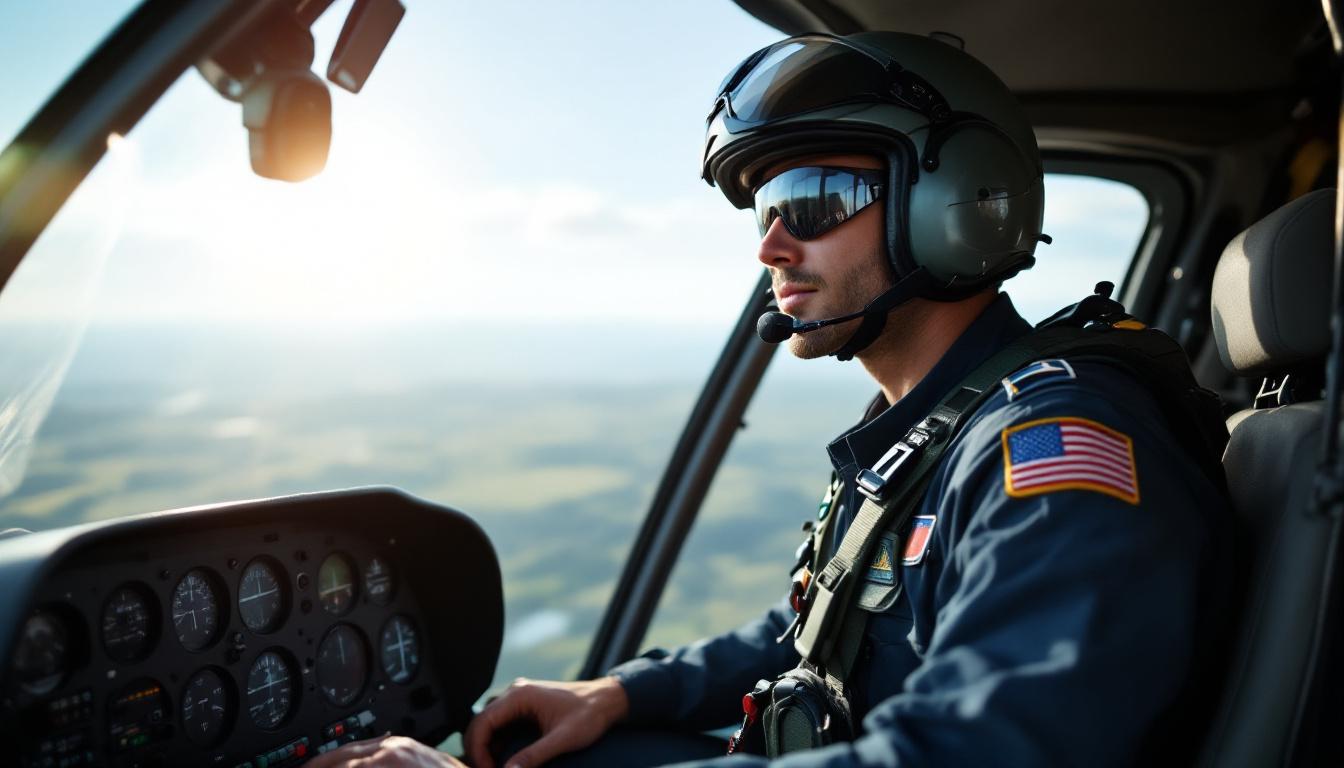
Operate flights using advanced navigation systems while ensuring passenger safety and adherence to aviation regulations.
About
As an Airline Pilot, you play a crucial role in ensuring the safety and comfort of passengers while operating flights according to airline standards. Working primarily in a corporate setting within the aviation industry, your objective is to ensure timely departures and arrivals in compliance with aviation regulations. This role requires direct interaction with co-pilots and ground staff, utilizing advanced navigation systems and flight operation tools to enhance operational efficiency. Your decisions have a direct impact on passenger safety, fuel efficiency, and overall customer satisfaction.
Skills
Technical skills
- Proficient in using instrument navigation systems for accurate flight paths.
- Familiarity with flight operation protocols to ensure smooth journeys.
- Skilled in weather pattern analysis for safe and efficient flights.
- In-depth knowledge of aviation safety regulations to maintain compliance.
- Expertise in cockpit resource management for optimal crew coordination.
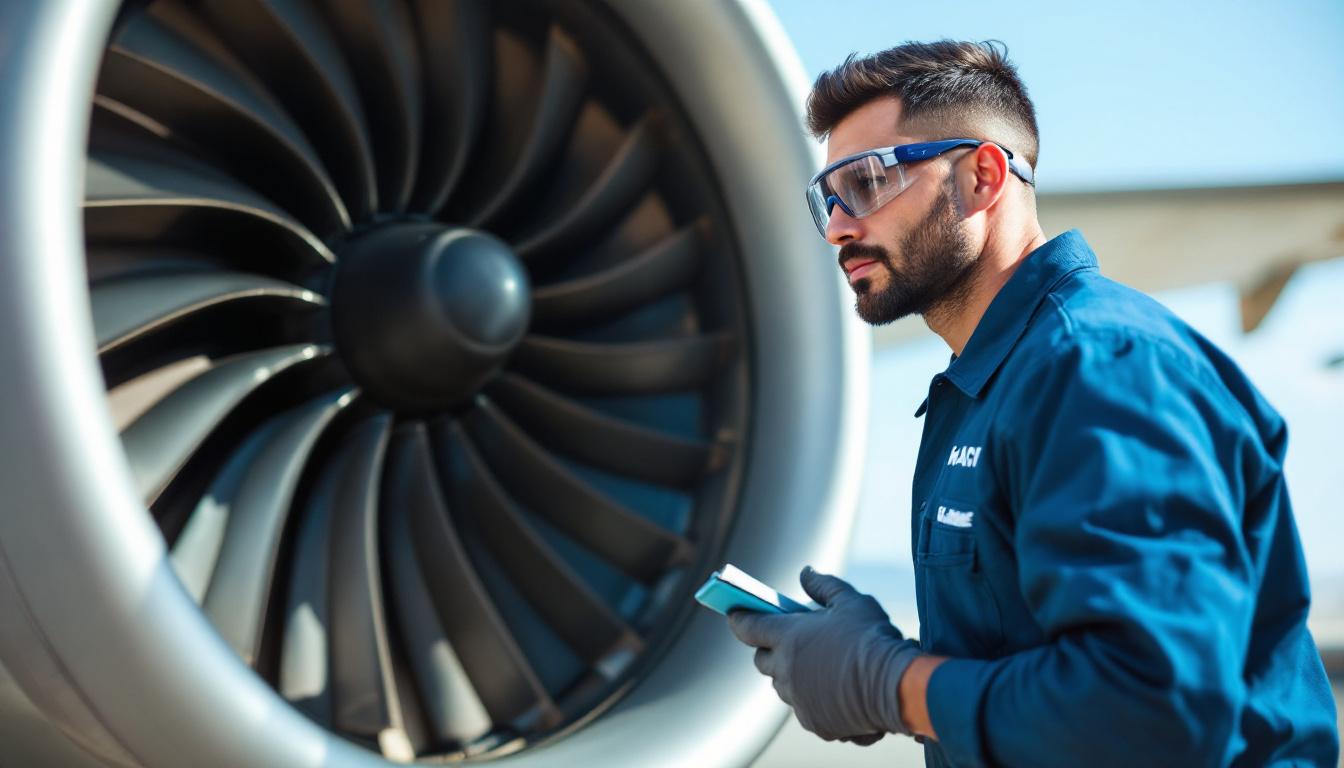
- Conduct thorough aircraft maintenance checks for operational readiness.
- Execute emergency response procedures swiftly to ensure passenger safety.
- Manage fuel systems for efficiency and cost-effectiveness.
- Optimize routes using advanced navigation tools for timely arrivals.
- Develop comprehensive flight planning strategies for seamless operations.
Interpersonal skills
- Exhibit strong stress management skills in high-pressure situations.
- Excel in decision-making under pressure, ensuring effective outcomes.
- Demonstrate effective communication with team members and passengers.
- Maintain keen attention to detail in all aspects of flight operations.
- Showcase leadership abilities to inspire and guide the crew.
- Adaptability to rapidly changing circumstances in the aviation environment.
- Solve problems efficiently with a focus on safety and efficiency.
- Coordinate team efforts to achieve operational excellence.
Tasks
- Coordinate with air traffic control and ground staff to secure takeoff clearance, maintaining adherence to schedule constraints.
- Monitor in-flight performance through cockpit instruments, ensuring optimal fuel efficiency and safety.
- Conduct pre-flight checks using comprehensive checklists to assess aircraft readiness and compliance with aviation regulations.
- Manage seamless communication with co-pilots and cabin crew to ensure a smooth operational workflow.
- Execute emergency protocols with precision to safeguard passengers, in strict compliance with aviation safety standards.
- Analyze weather data provided by ground staff to adjust flight paths for optimal safety and time management.
- Ensure continuous monitoring of critical flight systems through real-time analysis.
- Perform post-flight evaluations with the crew to discuss performance metrics and areas for improvement.
- Participate in pilot training programs to maintain updated knowledge on new aviation technologies.
- Optimize route planning using the latest navigation tools to maximize on-time arrivals.
Work environments
Work environments for professionals in this sector may vary:
Career paths
- Progress to a Senior Pilot role with increased responsibilities.
- Advance to Chief Pilot, overseeing flight operations and strategy.
- Transition into a Flight Instructor position, mentoring new pilots.
- Become an Aviation Safety Inspector, ensuring regulatory compliance.
- Move into an Operations Manager role, optimizing airline efficiency.