
Post-Master's Certificate in Geological and Earth Sciences/Geosciences
This one-year Post-Master's Certificate in Geological and Earth Sciences deepens expertise in geosciences, preparing graduates for advanced roles in research, industry, or academia in the US.
About
This Post-Master's Certificate in Geological and Earth Sciences is a specialized program designed for students who have already completed a master's degree in geology or related fields. It aims to enhance their knowledge and skills in geosciences through focused coursework and practical experience. The certificate is intended for those seeking to deepen their expertise without committing to a full doctoral program. It helps graduates qualify for advanced technical or research positions in sectors like environmental consulting, energy, or academia.
- The program is offered by universities in the United States and aligns with US higher education standards.
- It targets students holding a relevant master's degree who want to specialize further in geological sciences.
- The certificate can improve career prospects by providing updated knowledge and practical skills in geosciences.
- It is suitable for those aiming to work in research labs, government agencies, or private companies involved in earth sciences.
- The program is typically completed in one year of full-time study.
What you study
The curriculum of this certificate focuses on advanced topics in geological and earth sciences, combining theoretical and applied learning. Students engage with specialized subjects that build upon their master's studies, often including fieldwork and laboratory analysis. The program emphasizes practical skills alongside scientific concepts.
- Courses may cover areas such as mineralogy, geophysics, sedimentology, and environmental geology.
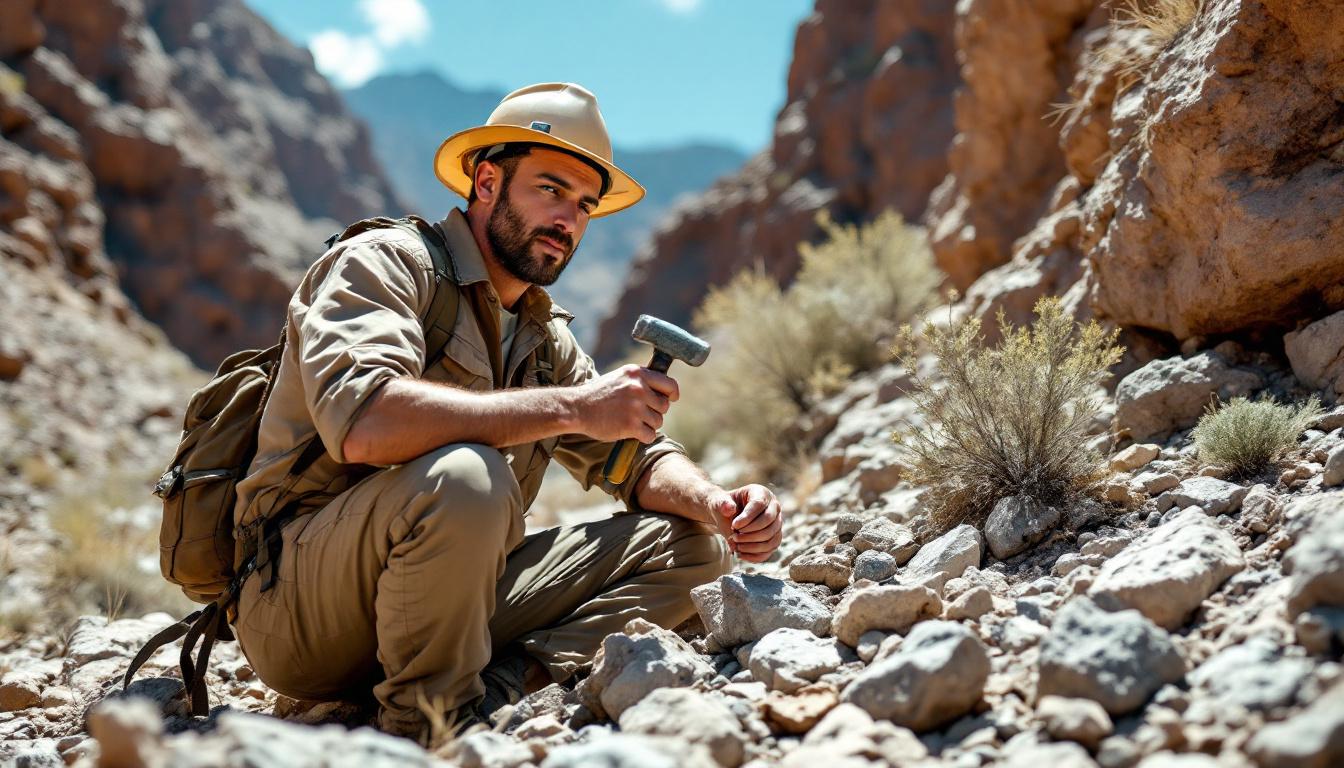
- Students participate in field studies to observe geological formations and collect data.
- Laboratory work involves analyzing rock samples, fossils, and geochemical data.
- The program includes seminars and research projects to develop critical thinking and scientific communication.
- Progression is designed to deepen knowledge within one academic year, with a balance of lectures and hands-on activities.
- Some programs may offer opportunities for collaboration with industry or research centers.
How to get in
Admission to this Post-Master's Certificate requires applicants to have completed a master's degree in geology, earth sciences, or a closely related field. The selection process is managed by individual US universities and typically involves submitting academic transcripts and letters of recommendation.
- Applicants must demonstrate solid academic performance in their previous graduate studies.
- Some programs may require a statement of purpose explaining the candidate's goals and interest in geosciences.
- English proficiency tests may be necessary for international students.
- The application process usually includes submitting standardized test scores if requested.
- Admissions committees look for candidates motivated to deepen their expertise and contribute to the field.
Day to day
The one-year program follows an intensive schedule combining lectures, labs, and fieldwork. Students balance theoretical learning with practical assignments and research projects. The workload demands consistent engagement throughout the academic year.
- Weekly classes cover advanced geological topics with interactive sessions.
- Field trips allow students to study geological sites firsthand, often requiring travel within the region.
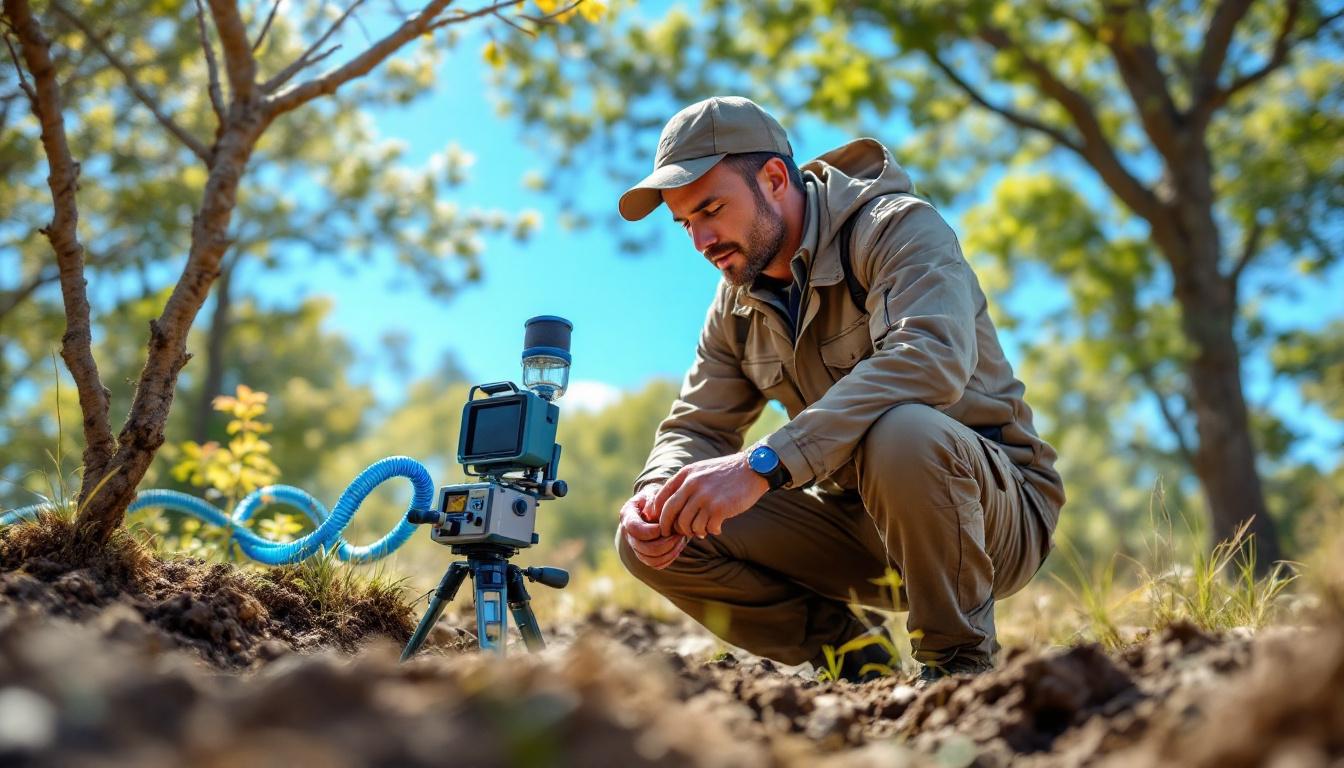
- Laboratory sessions involve detailed analysis of samples using specialized equipment.
- Students may work on individual or group research projects supervised by faculty.
- Some programs encourage internships or collaborations with industry partners, though this varies by institution.
Careers this degree leads to
Graduates with this certificate can access specialized roles in geosciences across various sectors. The certificate enhances qualifications for technical, research, or consulting positions that require advanced geological knowledge.
- Employment opportunities exist in environmental consulting firms assessing land and water resources.
- Energy companies may hire graduates for roles related to exploration and resource management.
- Government agencies employ geoscientists for natural hazard assessment and land use planning.
- Research institutions and universities may offer positions as research assistants or lab specialists.
- The certificate supports career advancement by providing up-to-date expertise in earth sciences.




Continuing your studies
After completing this certificate, students may consider further academic or professional development depending on their goals. While it is a terminal certificate, it can serve as a stepping stone toward doctoral studies or specialized training.
- Some graduates choose to pursue a PhD in geological sciences or related disciplines.
- Others may seek professional certifications or training in environmental management or geotechnical engineering.
- The certificate can also facilitate transitions into interdisciplinary fields involving earth sciences.
Where to study this degree (44)


















Liste des 44 établissements
- Missouri State UniversitySpringfield
- Columbia UniversityNew York
- East Carolina UniversityGreenville
- Portland State UniversityPortland
- Western Michigan UniversityKalamazoo
- Michigan Technological UniversityHoughton
- Montana State UniversityBozeman
- Stony Brook UniversityStony Brook
- University of Rhode IslandKingston
- Bowling Green State UniversityBowling Green
- University of New HampshireDurham
- The University of Texas at San AntonioSan Antonio
- University of MaineOrono
- Ohio State University-Main CampusColumbus
- University of UtahSalt Lake City
- New Mexico Institute of Mining and TechnologySocorro
- Colorado School of MinesGolden
- Emporia State UniversityEmporia
- Louisiana State University and Agricultural & Mechanical CollegeBaton Rouge
- New Mexico Highlands UniversityLas Vegas
- University of MiamiCoral Gables
- Lamar UniversityBeaumont
- Florida International UniversityMiami
- University of New OrleansNew Orleans
- University of DaytonDayton
- Western Oregon UniversityMonmouth
- Texas A & M University-College StationCollege Station
- Missouri University of Science and TechnologyRolla
- Nova Southeastern UniversityFort Lauderdale
- The University of Texas at ArlingtonArlington
- University of ArizonaTucson
- University of KansasLawrence
- Wright State UniversityDayton
- Idaho State UniversityPocatello
- University of IowaIowa City
- Upper Valley Educators InstituteLebanon
- Southern Illinois University CarbondaleCarbondale
- Texas A&M University – KingsvilleKingsville
- Illinois State UniversityNormal
- Old Dominion UniversityNorfolk
- San Francisco State UniversitySan Francisco
- Kutztown UniversityKutztown
- University of LynchburgLynchburg
- University of Massachusetts LowellLowell
Frequently asked questions
Who is eligible to apply for this certificate?
Applicants must have completed a master's degree in geology, earth sciences, or a related field. Universities require academic transcripts and may ask for letters of recommendation.
Is this certificate equivalent to a master's or a PhD?
This certificate is a post-master's qualification that provides specialized knowledge beyond a master's degree but is not equivalent to a PhD.
Can international students apply to this program?
Yes, international students can apply but must demonstrate English proficiency and meet the university's admission requirements.
Does the program include practical work?
Yes, students engage in fieldwork and laboratory sessions to gain hands-on experience in geological analysis.
Are internships or work placements part of the program?
Some universities may offer opportunities for internships or industry collaborations, but this depends on the institution.
What career options does this certificate open up?
Graduates can work in environmental consulting, energy companies, government agencies, research institutions, and laboratories.
Is this certificate a good step before pursuing a PhD?
Yes, it can strengthen your knowledge and research skills, preparing you for doctoral studies if you choose to continue.
Is the program offered full-time or part-time?
Typically, the certificate is completed in one year of full-time study, though some universities may offer flexible options.