
Post-Master's Certificate in Fine and Studio Arts
This one-year post-master's certificate in Fine and Studio Arts deepens artistic skills and prepares graduates for professional art careers or further specialization in the US.
About
This post-master's certificate in Fine and Studio Arts is designed for students who already hold a master's degree in art or a related field and want to enhance their practical and conceptual skills. It is aimed at individuals seeking to refine their artistic techniques, explore new media, and develop a professional portfolio. The certificate provides advanced training that can help graduates pursue careers as practicing artists, educators, or art professionals, or prepare for doctoral studies in art.
- The program typically lasts one year and focuses on studio work and critical art theory.
- It is suitable for those who want to deepen their expertise beyond the master's level without committing to a full doctoral program.
- Students learn to create original artworks and engage with contemporary art practices.
- The certificate can enhance professional opportunities in galleries, museums, or educational institutions.
- It encourages artistic experimentation and critical thinking about art in society.
What you study
The curriculum blends practical studio work with theoretical courses to develop both artistic skills and critical understanding. Students spend significant time in studios working on their own projects under faculty guidance. The program often includes seminars on contemporary art, art history, and criticism to contextualize their practice.
- Studio practice is central, with students experimenting in various media such as painting, sculpture, digital art, or mixed media.
- Art theory and criticism courses help students analyze and discuss art in historical and cultural contexts.
- Workshops and critiques provide regular feedback to improve artistic techniques and concepts.
- Students may participate in exhibitions or public presentations of their work during the year.
- The program emphasizes independent artistic development supported by faculty mentorship.
- There is a balance between individual projects and group discussions to foster creative exchange.
How to get in
Admission requires a completed master's degree in Fine Arts or a closely related discipline. Candidates usually submit a portfolio demonstrating their artistic work, along with academic transcripts and letters of recommendation. The US higher education system often involves a review committee that assesses the applicant's potential for advanced study.
- Applicants should have a strong background in studio arts and a clear artistic vision.
- The portfolio is a key element, showcasing recent creative work and technical skills.
- Some programs may require a statement of purpose explaining the candidate's goals and interests.
- Admissions are competitive, focusing on artistic quality and motivation rather than standardized tests.
- International students must meet English proficiency requirements and provide visa documentation.
Day to day
The academic year is intense and focused on individual artistic growth. Students spend much time in studios developing projects, attending critiques, and engaging with faculty. There are usually seminars and group discussions scheduled weekly to complement studio work.
- The daily rhythm includes studio hours for hands-on creation and experimentation.
- Students participate in group critiques to receive constructive feedback from peers and instructors.
- Some programs offer opportunities for internships or collaborations with local galleries or art organizations.
- Workshops and guest lectures enrich the learning experience with professional insights.
- Students often prepare for exhibitions or presentations showcasing their work at the end of the year.
Careers this degree leads to
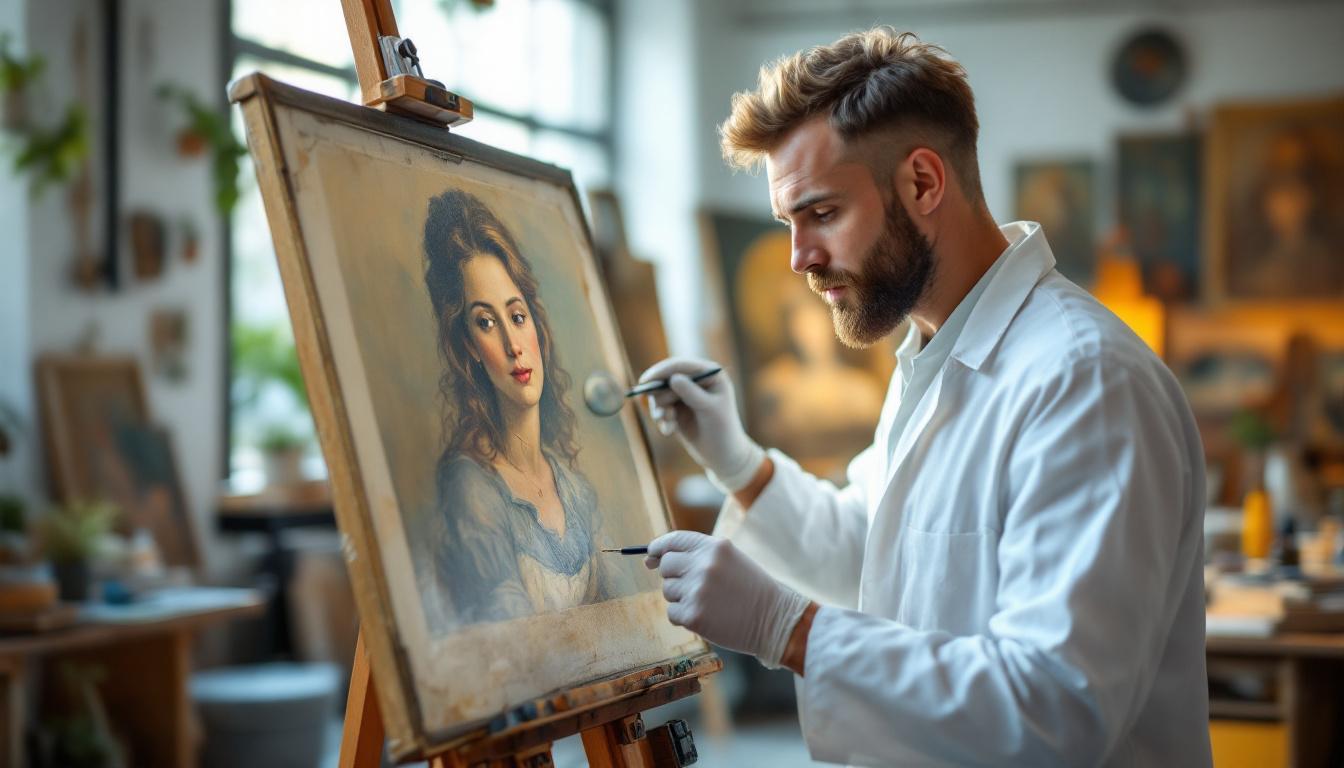
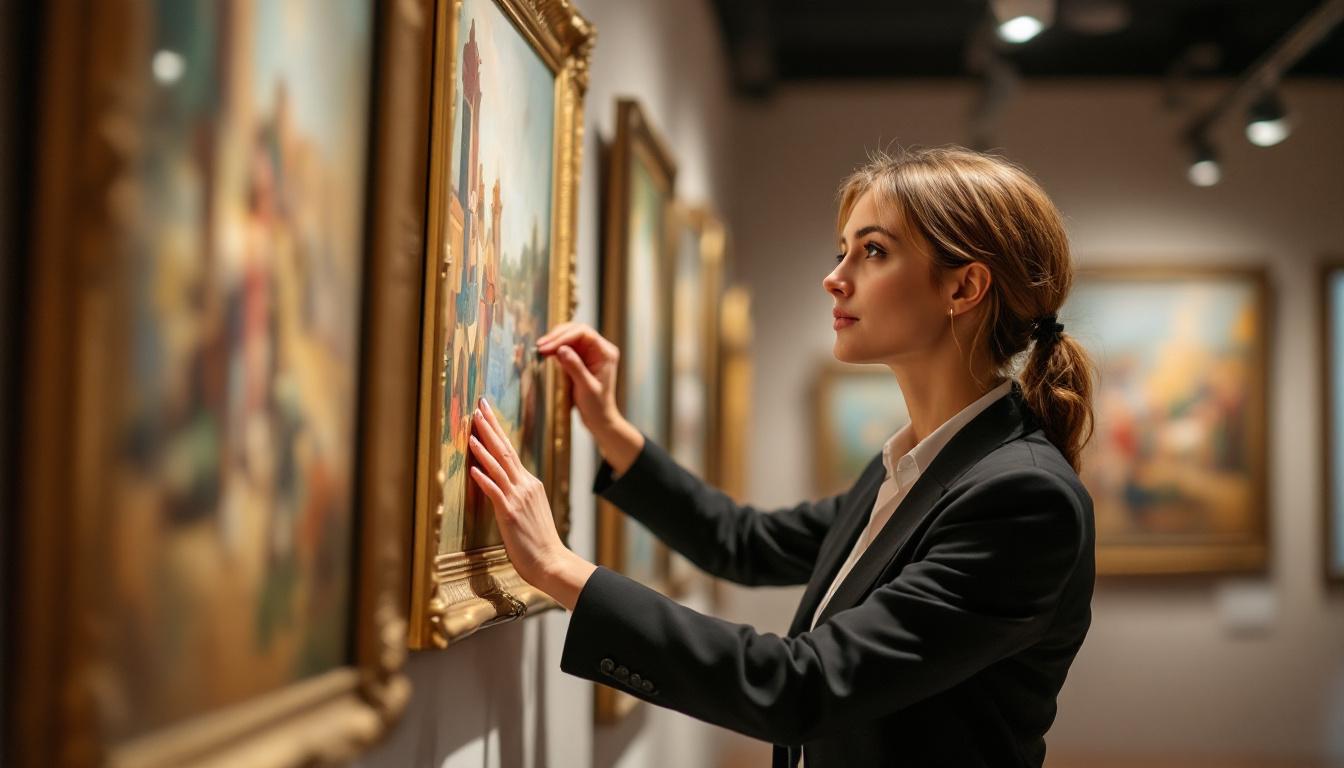
Graduates can pursue careers as professional artists, educators, curators, or art administrators. The certificate helps build a portfolio and network useful for entering the art world. Employment can be found in galleries, museums, art schools, or cultural institutions.
- Professional artist roles involve creating and selling original artworks.
- Art educator positions are possible in community programs or higher education.
- Some graduates work as curators or art administrators in galleries and museums.
- The certificate supports those aiming to continue with doctoral studies or specialized residencies.
- The art sector values portfolios and exhibitions, making practical experience important.



Continuing your studies
After completing the certificate, students may choose to enter doctoral programs in Fine Arts or related fields to deepen research and practice. Others might pursue specialized residencies or professional development courses. The certificate also allows for reorientation into art education or cultural management.
- Doctoral studies (PhD or DFA) are common next steps for academic or research careers.
- Specialized artist residencies offer focused time and resources for creation.
- Additional certifications in art education or museum studies can broaden career options.
- The certificate can also serve as a bridge to other creative fields like design or media arts.
Where to study this degree (46)



















Liste des 46 établissements
- Southern New Hampshire UniversityManchester
- Maryland Institute College of ArtBaltimore
- New York Academy of ArtNew York
- Tufts UniversityMedford
- School of the Art Institute of ChicagoChicago
- University of FloridaGainesville
- Buffalo State UniversityBuffalo
- University of North AlabamaFlorence
- Columbia UniversityNew York
- Auburn University at MontgomeryMontgomery
- Lindenwood UniversitySaint Charles
- University of Massachusetts DartmouthNorth Dartmouth
- Pennsylvania Academy of the Fine ArtsPhiladelphia
- George Mason UniversityFairfax
- Florida International UniversityMiami
- Hood CollegeFrederick
- Pratt Institute-MainBrooklyn
- The University of Texas Rio Grande ValleyEdinburg
- Texas Tech UniversityLubbock
- Spring Hill CollegeMobile
- Mount Mary UniversityMilwaukee
- Westfield State UniversityWestfield
- New Mexico Highlands UniversityLas Vegas
- Laguna College of Art and DesignLaguna Beach
- Southern Illinois University CarbondaleCarbondale
- Texas State UniversitySan Marcos
- University of MemphisMemphis
- Massachusetts College of Art and DesignBoston
- San Francisco State UniversitySan Francisco
- University of UtahSalt Lake City
- University of AlabamaTuscaloosa
- Mars Hill UniversityMars Hill
- State University of New York at OswegoOswego
- Rochester Institute of TechnologyRochester
- California State University, Long BeachLong Beach
- Goucher CollegeBaltimore
- Portland State UniversityPortland
- Western Oregon UniversityMonmouth
- Ohio University LancasterAthens
- University of MaineOrono
- University of PennsylvaniaPhiladelphia
- University of Wisconsin–MadisonMadison
- Missouri Southern State UniversityJoplin
- University of Southern CaliforniaLos Angeles
- Western New Mexico UniversitySilver City
- Southern Adventist UniversityCollegedale
Frequently asked questions
What prior education is needed to apply for this certificate?
Applicants must have completed a master's degree in Fine Arts or a related field. A strong portfolio and academic transcripts are also required.
Is this certificate suitable for someone wanting to become a professional artist?
Yes, the program focuses on developing advanced artistic skills and building a professional portfolio, which are important for a career as an artist.
Can international students apply to this program?
International students can apply but must meet English language requirements and provide appropriate visa documentation.
Are there opportunities for internships or practical experience?
Some programs offer internships or collaborations with galleries and art organizations to gain professional experience.
Does this certificate allow for further academic study?
Yes, graduates often pursue doctoral degrees or specialized residencies to continue their artistic and academic development.
Is the program full-time or part-time?
The certificate is typically a full-time, one-year program focused on intensive studio practice and seminars.
Are there courses on art history included?
Yes, art history and theory courses are part of the curriculum to help students understand the context of their work.
Can this certificate lead to teaching opportunities?
It can prepare graduates for roles in art education, especially in community programs or as assistants in higher education.