Postbaccalaureate Certificate in Soil Sciences
This one-year postbaccalaureate certificate in Soil Sciences teaches the fundamentals of soil properties and management, preparing students for roles in agriculture, environmental consulting, and land management.
About
This Postbaccalaureate Certificate in Soil Sciences is a specialized program offered in the United States, designed for students who already hold a bachelor's degree and want to deepen their knowledge of soil science. It focuses on understanding soil composition, behavior, and its role in ecosystems and agriculture. The certificate is ideal for those interested in careers related to environmental protection, sustainable farming, or land resource management.
- The program lasts one year and is at the EQF level 6, equivalent to undergraduate-level studies.
- It is intended for students with a bachelor's degree in related fields or for professionals seeking to specialize.
- Graduates can work in roles such as soil analysts, environmental consultants, or agricultural advisors.
- The certificate helps build practical skills in soil assessment and management techniques.
- This diploma is recognized in the US higher education system and can support career changes or advancement.
What you study
The curriculum covers fundamental and applied aspects of soil sciences, combining theory with practical experience. Students learn about soil chemistry, physics, biology, and how soils interact with plants and the environment.
- Courses include soil properties and classification, soil fertility and nutrient management, and environmental soil science.
- Students study soil sampling methods and laboratory analysis techniques.
- The program emphasizes fieldwork to observe soil profiles and conduct experiments.
- Practical sessions and projects help apply knowledge to real-world problems in agriculture and environmental management.
- The progression is designed to build from basic concepts to more complex applications within the year.
How to get in
Admission to this certificate requires a prior bachelor's degree, preferably in biology, agriculture, environmental science, or related disciplines. The US higher education system allows universities to set their own admission criteria for such programs.
- Applicants typically submit transcripts, letters of recommendation, and a statement of purpose.
- Some programs may require relevant coursework or experience in natural sciences.
- The selection process is generally moderately selective, focusing on academic background and motivation.
- This certificate suits students aiming to specialize after their undergraduate studies or professionals seeking new skills.
- Applicants should be prepared for a curriculum with both theoretical and practical components.
Day to day
The academic year is structured with lectures, lab work, and field activities to provide a balanced learning experience. Students engage in hands-on projects and may participate in internships if offered by the institution.
- The weekly schedule includes classroom lectures and laboratory sessions focused on soil analysis.
- Field trips allow students to study soil in different environments and practice sampling techniques.
- Some programs encourage or require a short internship in agriculture or environmental agencies.
- Students work on projects that simulate real-world soil management challenges.
- The program is intensive but designed to be completed within one year.
Careers this degree leads to
Graduates can find opportunities in various sectors where soil knowledge is essential. The certificate supports entry or advancement in roles related to land and environmental management.
- Possible jobs include soil technician, environmental consultant, and agricultural advisor.
- Employers are often found in agriculture, environmental agencies, and natural resource management organizations.
- The demand for soil science expertise is linked to sustainable farming and environmental protection efforts.
- Insertion into the workforce is generally smooth for those with relevant prior education and practical skills.
- Some graduates also use this certificate as a stepping stone to further studies or research roles.




Careers after further study
These careers require a higher level of study than this degree.





Continuing your studies
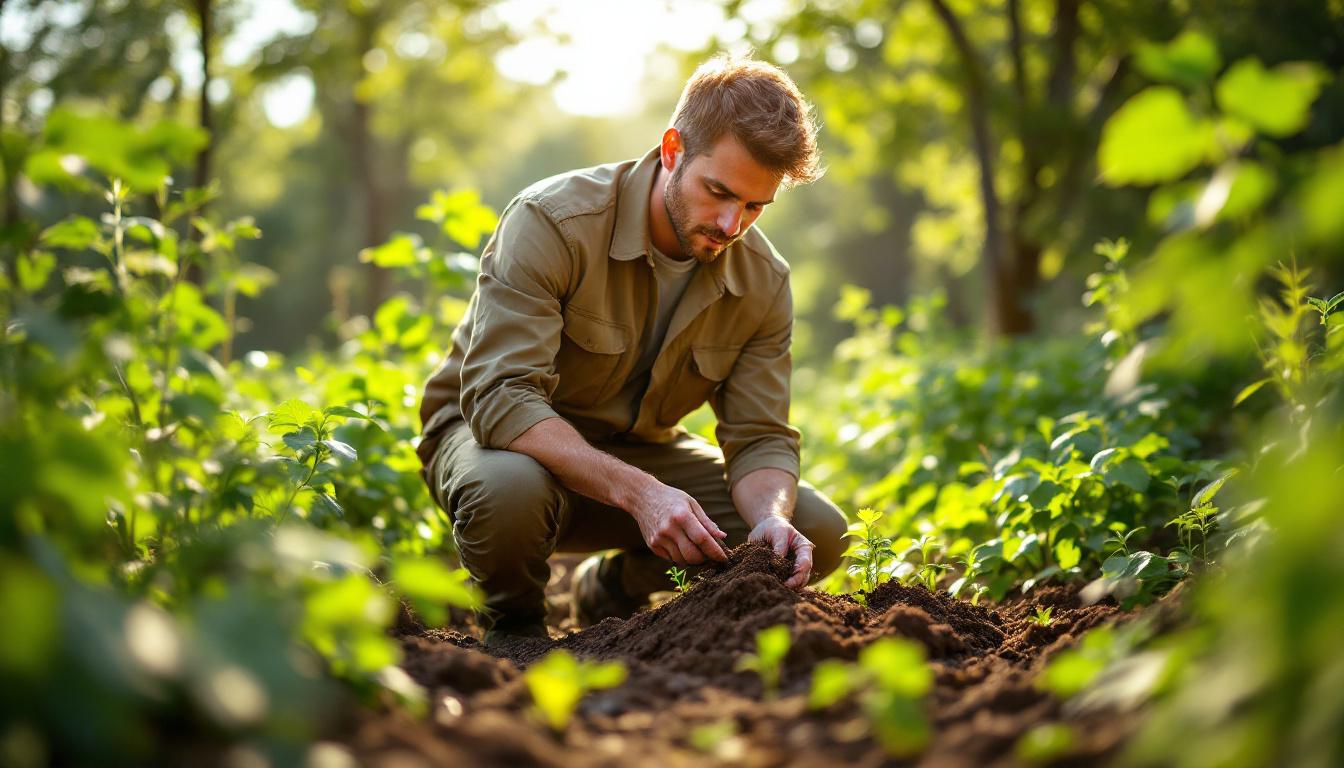
After completing this certificate, students may choose to continue their education or specialize further. The program can open doors to graduate studies or professional development.
- Students often pursue master's degrees in soil science, environmental science, or agriculture.
- Other options include professional certifications or training in related fields.
- The certificate can also support reorientation toward environmental consulting or land management careers.
Where to study this degree (42)














Liste des 42 établissements
- North Carolina State UniversityRaleigh
- University of FloridaGainesville
- Brigham Young UniversityProvo
- University of Tennessee at KnoxvilleKnoxville
- Michigan State UniversityEast Lansing
- Colorado State University-Fort CollinsFort Collins
- University of Wisconsin–Stevens PointStevens Point
- Clemson UniversityClemson
- Brigham Young University - IdahoRexburg
- University of Nebraska–LincolnLincoln
- Southern Illinois University CarbondaleCarbondale
- University of GeorgiaAthens
- Oklahoma State University-Main CampusStillwater
- Iowa State UniversityAmes
- Tennessee College of Applied Technology NorthwestNewbern
- University of California-DavisDavis
- Missouri State UniversitySpringfield
- University of Hawaiʻi at MānoaHonolulu
- University of Puerto Rico-MayaguezMayaguez
- Purdue University West LafayetteWest Lafayette
- University of Minnesota-Twin CitiesMinneapolis
- University of Arkansas Community College at BatesvilleBatesville
- North Dakota State UniversityFargo
- Oregon State UniversityCorvallis
- Washington State UniversityPullman
- Pennsylvania State University-Main CampusUniversity Park
- University of WyomingLaramie
- Utah State UniversityLogan
- Texas A & M University-College StationCollege Station
- University of IdahoMoscow
- Texas Tech UniversityLubbock
- University of Wisconsin–MadisonMadison
- New Mexico State UniversityLas Cruces
- Northwest State Community CollegeArchbold
- University of California, RiversideRiverside
- Oregon State University CascadesBend
- University of KentuckyLexington
- University of Maryland-College ParkCollege Park
- Buena Vista UniversityStorm Lake
- California Polytechnic State UniversitySan Luis Obispo
- Treasure Valley Community CollegeOntario
- University of Washington-Seattle CampusSeattle
Frequently asked questions
Who is eligible to apply for this certificate?
Applicants must have a bachelor's degree, preferably in a related field such as biology, agriculture, or environmental science. Some programs may consider relevant work experience.
Is prior knowledge of soil science required?
Basic understanding of natural sciences is helpful, but the program starts with fundamental concepts and builds up to more advanced topics.
Can this certificate lead to a job directly?
Yes, it prepares students for technical roles in soil analysis and environmental consulting, though prior degree and experience influence job opportunities.
Are there practical experiences included?
The program includes laboratory work, field sampling, and sometimes internships to apply theoretical knowledge in real situations.
Is this program offered online or only on campus?
Most programs are campus-based due to the practical and fieldwork components, but some institutions may offer hybrid formats.
Can I continue my studies after this certificate?
Yes, many students use it as a stepping stone to master's degrees or professional certifications in soil or environmental sciences.
Is financial aid available for this program?
Financial aid options depend on the institution and student eligibility; it is recommended to check with the university's financial office.
Does this certificate qualify for professional licensing?
While it provides valuable skills, professional licenses depend on state regulations and may require additional qualifications.
