Postbaccalaureate Certificate in Polymer/Plastics Engineering
This one-year postbaccalaureate certificate in Polymer/Plastics Engineering teaches polymer science and engineering principles, preparing students for technical roles in plastics industries.
About
This certificate is a specialized program in the United States designed for students who have already completed a bachelor's degree and want to focus on polymer and plastics engineering. It aims to provide technical knowledge and practical skills related to polymers, plastics materials, and their processing. The program is suitable for those interested in working in industries that design, produce, or test plastic products.
- The certificate lasts one year and is a postbaccalaureate qualification.
- It targets graduates who want to deepen their understanding of polymer science and plastics engineering.
- Graduates can pursue careers as technical specialists or engineers in plastics manufacturing, research, or quality control.
- The program offers a focused curriculum that bridges academic knowledge and industry practices.
- It is recognized as an EQF level 6 certificate, indicating advanced technical skills.
What you study
The program covers core subjects related to polymers and plastics, combining theory and practical work. Students learn about the chemical and physical properties of polymers, processing techniques, and applications in various industries.
- Courses include polymer chemistry, materials science, and processing technologies such as extrusion and injection molding.
- Students study mechanical and thermal properties of plastics to understand performance requirements.
- There is a strong emphasis on laboratory work and hands-on projects to apply theoretical knowledge.
- The curriculum may include quality control and testing methods for plastics products.
- Students progressively develop skills in problem-solving and design considerations for polymer-based materials.
- Industry-relevant software and simulation tools are often introduced during the program.
How to get in
Admission to this certificate program in the US requires applicants to have completed a bachelor's degree, preferably in engineering, chemistry, or a related field. The procedure involves submitting academic transcripts and sometimes letters of recommendation.
- Applicants must hold a bachelor's degree or equivalent from an accredited institution.
- The selection process typically reviews academic records and relevant background in science or engineering.
- Some programs may require a statement of purpose explaining the candidate's interest in polymer engineering.
- International students need to provide proof of English proficiency through tests like TOEFL or IELTS.
- There is generally no standardized national exam for admission, but individual institutions set their criteria.
Day to day
The one-year program usually follows a full-time schedule combining lectures, laboratory sessions, and project work. Students engage in practical activities to reinforce learning and gain industry-relevant experience.
- The academic year is structured around weekly classes and lab experiments focused on polymer materials.
- Students often work on group projects to design or test plastic components.
- Some programs include opportunities for internships or industry visits to understand real-world applications.
- Alternance or work-study arrangements are generally not common for this certificate.
- Time management is important as students balance theoretical studies with hands-on practice.
Careers this degree leads to
Graduates of this certificate can find job opportunities in various sectors related to plastics and polymer materials. The program prepares them for technical and support roles in manufacturing and research.
- Possible jobs include polymer technician, quality control analyst, and production engineer.
- The plastics manufacturing industry is a primary employer, including companies producing packaging, automotive parts, or consumer goods.
- Research laboratories and testing centers also recruit graduates for materials analysis roles.
- The insertion into the job market is generally smooth for those with relevant prior degrees and practical skills.
- Some graduates may work in consulting or technical sales related to polymer products.



Careers after further study
These careers require a higher level of study than this degree.





Continuing your studies
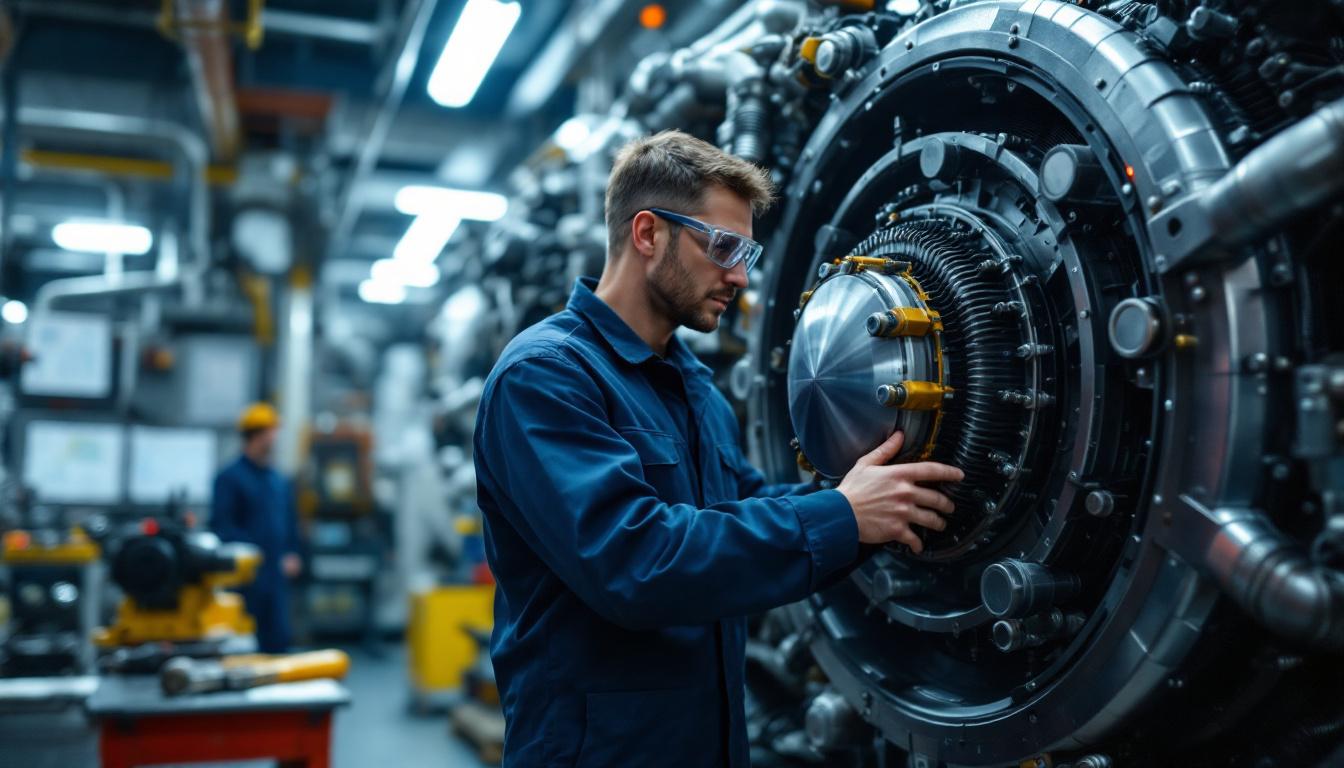
After completing this certificate, students may choose to continue their education or specialize further. The program can serve as a stepping stone toward advanced degrees or professional certifications.
- Students can pursue a master's degree in materials science, chemical engineering, or polymer engineering.
- Some may opt for specialized training in composites or plastics recycling.
- Others might consider professional development courses to enhance management or research skills.
- The certificate can also facilitate reorientation into related technical fields.
Where to study this degree (19)




Liste des 19 établissements
- Pennsylvania State University-Penn State Erie-Behrend CollegeErie
- University of Massachusetts LowellLowell
- Western Washington UniversityBellingham
- Pennsylvania College of TechnologyWilliamsport
- University of Massachusetts-AmherstAmherst
- Lehigh UniversityBethlehem
- University of Southern MississippiHattiesburg
- Case Western Reserve UniversityCleveland
- University of Wisconsin–StoutMenomonie
- University of AkronAkron
- Auburn UniversityAuburn
- Virginia TechBlacksburg
- University of Wisconsin–MadisonMadison
- Stevens Institute of TechnologyHoboken
- Central Oregon Community CollegeBend
- University of Rhode IslandKingston
- New Jersey Institute of TechnologyNewark
- University of Michigan-Ann ArborAnn Arbor
- Wayne State UniversityDetroit
Frequently asked questions
Who is eligible to apply for this certificate?
Applicants must have completed a bachelor's degree, ideally in engineering, chemistry, or a related science. Institutions look for candidates with a solid foundation in these areas.
Is this certificate recognized internationally?
The certificate follows US educational standards and is recognized within the US. Its focus on polymer engineering skills can be valuable internationally, but recognition depends on the country.
Are there practical components in this program?
Yes, the program includes laboratory sessions and projects to give hands-on experience with polymer materials and processing technologies.
Can I work while studying this certificate?
The program is usually full-time and does not commonly offer work-study or alternance options, so balancing a job may be challenging.
What kind of jobs can I get after this certificate?
Graduates can work as polymer technicians, quality control analysts, or production engineers in plastics manufacturing and related sectors.
Can I continue my studies after this certificate?
Yes, many graduates choose to pursue master's degrees in materials science or chemical engineering to deepen their expertise.
Is prior experience in plastics necessary to apply?
While helpful, prior experience is not always required. A relevant bachelor's degree and interest in polymers are the main criteria.
How competitive is admission to this program?
Admission is selective, as programs seek candidates with strong academic backgrounds and motivation for polymer engineering.
