Postbaccalaureate Certificate in Geological/Geophysical Engineering
This one-year postbaccalaureate certificate teaches geological and geophysical engineering principles, preparing students for technical roles in earth sciences and energy sectors.
About
The Postbaccalaureate Certificate in Geological/Geophysical Engineering is a specialized program in the United States designed for students who already hold a bachelor's degree and want to deepen their knowledge in earth sciences and engineering. It focuses on the study of the Earth's physical properties and the application of engineering principles to explore and manage natural resources. This certificate is ideal for those aiming to work in industries like oil and gas, mining, environmental consulting, or geotechnical engineering. It offers practical skills and theoretical understanding to support careers that require expertise in geological data analysis and geophysical methods.
- The program lasts one year and is targeted at graduates with a bachelor's degree in related fields.
- It prepares students for roles in geological surveying and resource exploration.
- The curriculum combines engineering principles with earth science applications.
- Students gain skills relevant to sectors like energy and environmental management.
- The certificate can enhance employability by providing focused technical knowledge.
What you study
The program includes a mix of theoretical courses and practical training to build a solid foundation in geological and geophysical engineering. Students study topics such as rock mechanics, seismic data interpretation, and subsurface mapping. The curriculum often involves laboratory work and computer modeling to apply concepts in realistic scenarios. The progression is designed to deepen understanding from basic geological principles to advanced engineering applications. Practical components may include fieldwork or projects using geophysical instruments, helping students develop hands-on skills.
- Courses cover geological formations, geophysical survey methods, and engineering geology.
- Students learn to use software tools for data analysis and modeling.
- The program integrates laboratory sessions and field exercises to apply theory.
- Projects focus on interpreting geological data for resource assessment.
- The curriculum is structured to progressively build technical expertise over the year.
How to get in
Admission to this certificate program requires applicants to have completed a bachelor's degree, typically in geology, engineering, physics, or a related science. The application process in the US usually involves submitting transcripts, letters of recommendation, and sometimes a statement of purpose. Candidates with a strong background in earth sciences or engineering and an interest in applied geological methods are preferred. The program is open to both recent graduates and professionals seeking to enhance their skills.
- Applicants must hold a bachelor's degree in a relevant field.
- The application includes academic records and recommendations.
- Some programs may require a statement of purpose explaining motivation.
- Background in science or engineering is important for success.
- The selection process considers academic preparation and career goals.
Day to day
The academic year is intensive, combining lectures, labs, and project work. Students attend classes regularly and participate in hands-on activities such as analyzing geological samples or interpreting geophysical data. While internships are not always mandatory, some programs encourage or facilitate summer placements in companies or research centers. The schedule demands consistent study and practical engagement, with group projects often simulating real-world engineering challenges.
- The year includes regular lectures and laboratory sessions.
- Students work on projects that apply engineering to geological problems.
- Fieldwork or data analysis exercises help develop practical skills.
- Internships may be available but are not always required.
- The workload requires steady commitment throughout the year.
Careers this degree leads to
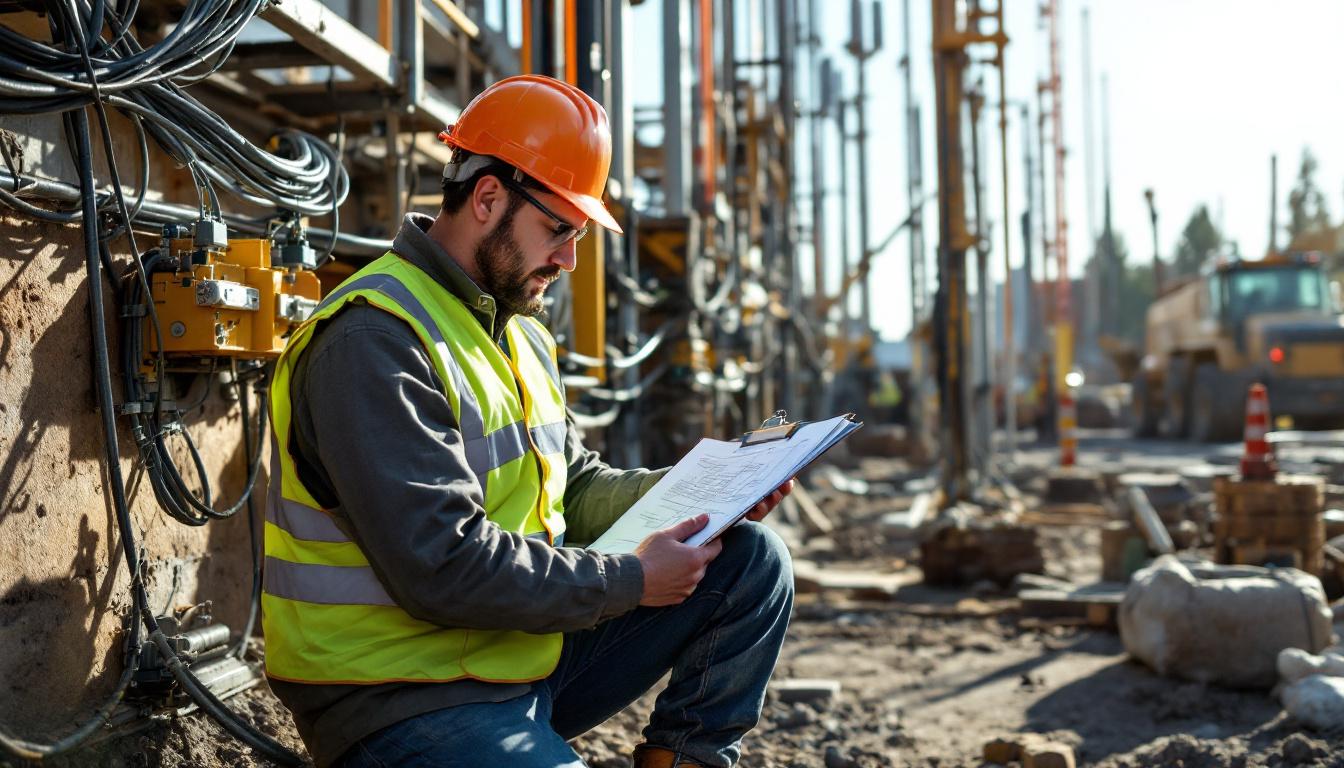
Graduates typically find opportunities in industries that require expertise in earth sciences and engineering. This includes companies involved in natural resource extraction, environmental consulting, and geotechnical services. The certificate can help students enter technical roles such as geological technician, field engineer, or data analyst in geosciences. Employment prospects depend on the economic context and demand in sectors like energy, mining, and environmental management. Generally, graduates can expect a relatively quick integration into technical positions.
- Jobs include geological technician and field engineer.
- Relevant sectors are energy, mining, and environmental consulting.
- The certificate supports entry into technical roles in geosciences.
- Employers value practical skills in data interpretation and survey methods.
- Insertion into the workforce is generally rapid for prepared candidates.




Careers after further study
These careers require a higher level of study than this degree.





Continuing your studies
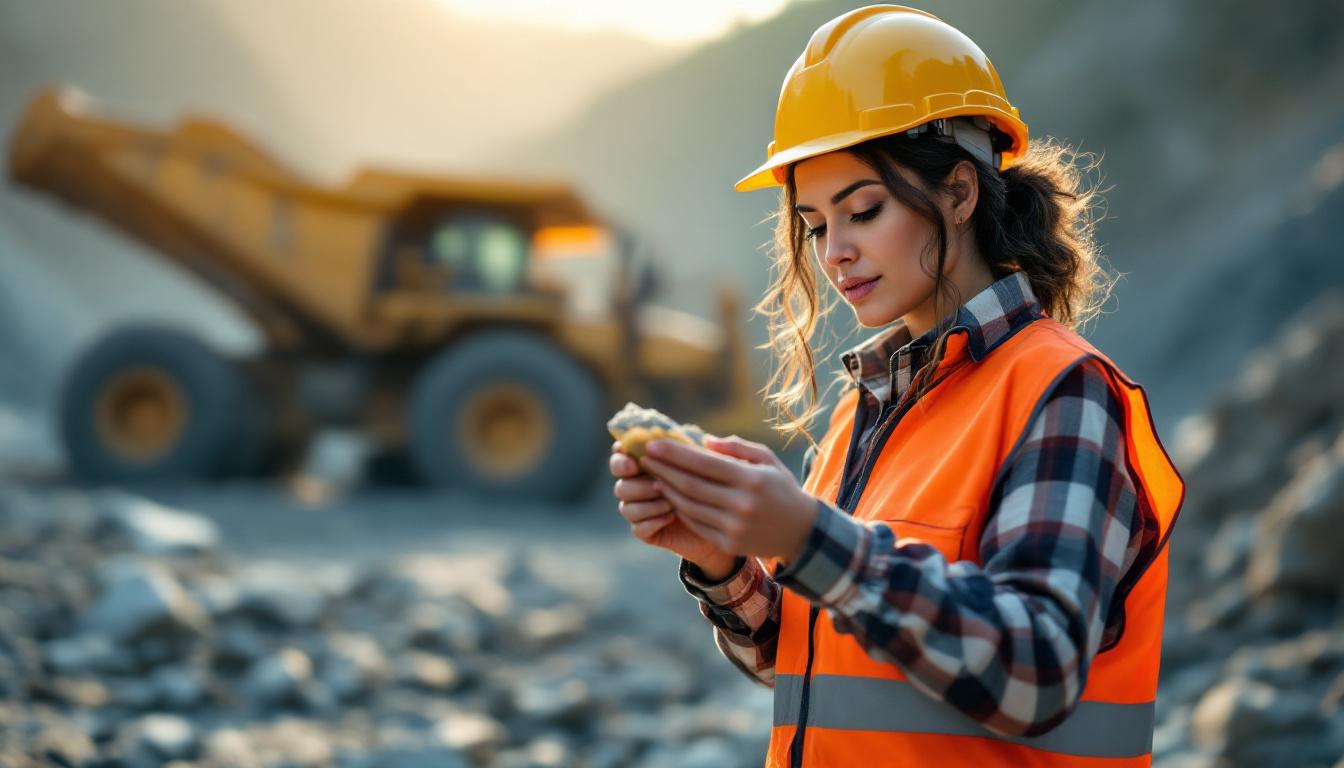
After completing this certificate, students may choose to continue their studies in master's programs related to geological or geophysical engineering. This can deepen their expertise and open doors to research or advanced professional roles. Alternatively, some may pursue certifications or training in specialized techniques such as seismic interpretation or environmental assessment. The certificate can also serve as a foundation for reorienting careers within the earth sciences field.
- Possible next steps include master's degrees in geological or geophysical engineering.
- Specialized training in seismic analysis or environmental geology is an option.
- The certificate can support career reorientation within earth sciences.
- Further education enhances research and technical skills.
Where to study this degree (23)




Liste des 23 établissements
- Missouri University of Science and TechnologyRolla
- Colorado School of MinesGolden
- South Dakota School of Mines and TechnologyRapid City
- University of Nevada, RenoReno
- University of Wisconsin–MadisonMadison
- University of Alaska FairbanksFairbanks
- Michigan Technological UniversityHoughton
- University of Minnesota-Twin CitiesMinneapolis
- University of MississippiOxford
- Montana Technological UniversityButte
- The University of Texas at AustinAustin
- University of UtahSalt Lake City
- University of IdahoMoscow
- University of ArizonaTucson
- University of North DakotaGrand Forks
- University of California-Los AngelesLos Angeles
- Rutgers University-NewarkNewark
- University of OklahomaNorman
- University of Michigan-Ann ArborAnn Arbor
- University of PennsylvaniaPhiladelphia
- New Mexico State UniversityLas Cruces
- University of RochesterRochester
- Delaware Technical Community College-TerryDover
Frequently asked questions
What prior education is needed to apply?
Applicants must have completed a bachelor's degree, usually in geology, engineering, or a related science. A solid foundation in earth sciences or engineering is important.
Is practical experience included in the program?
Yes, the program includes laboratory work and field exercises to develop hands-on skills, though internships are not always mandatory.
Can this certificate lead to a master's degree?
Yes, many graduates continue their studies in master's programs related to geological or geophysical engineering to deepen their expertise.
Are there job opportunities after completing the certificate?
Graduates can access technical roles in sectors like energy, mining, and environmental consulting, with generally good employment prospects.
Is the program full-time or part-time?
The certificate is typically a full-time one-year program requiring regular attendance and consistent study.
Does the program involve use of software tools?
Yes, students learn to use modeling and data analysis software important for interpreting geological and geophysical information.
Is work-study or alternance possible?
Alternance or work-study is generally not offered for this certificate program.
What kind of careers does this certificate prepare for?
It prepares students for roles such as geological technician, field engineer, and data analyst in earth science and resource industries.
