Postbaccalaureate Certificate in Fishing and Fisheries Sciences and Management
This one-year postbaccalaureate certificate in Fishing and Fisheries Sciences and Management teaches sustainable fishing practices and fisheries management, preparing students for roles in environmental and marine resource sectors.
About
This certificate program focuses on fishing and fisheries sciences and management, designed for students who have already completed a bachelor's degree or equivalent. It aims to deepen knowledge about sustainable fishing methods, aquatic ecosystems, and resource management. The program is suited for those interested in environmental conservation, marine biology, or fisheries policy. Graduates can pursue careers in fisheries management, environmental consulting, or work with governmental and non-governmental organizations involved in marine resource protection.
- The program lasts one year and is offered in the United States.
- It targets students holding a bachelor's degree or equivalent in related fields.
- The curriculum combines scientific knowledge of aquatic ecosystems with practical management skills.
- It prepares students to understand regulations, conservation strategies, and sustainable fishing techniques.
- Graduates can work in roles supporting sustainable fisheries and marine environment preservation.
What you study
The curriculum covers a mix of scientific and management topics related to fisheries and aquatic environments. It includes both theoretical classes and practical applications. Students learn about fish biology, aquatic ecology, and the economic and social aspects of fisheries. The program emphasizes sustainable management practices to balance environmental health and industry needs.
- Courses include fish biology, aquatic ecology, and fisheries management.
- Students study environmental policies and regulations affecting fisheries.
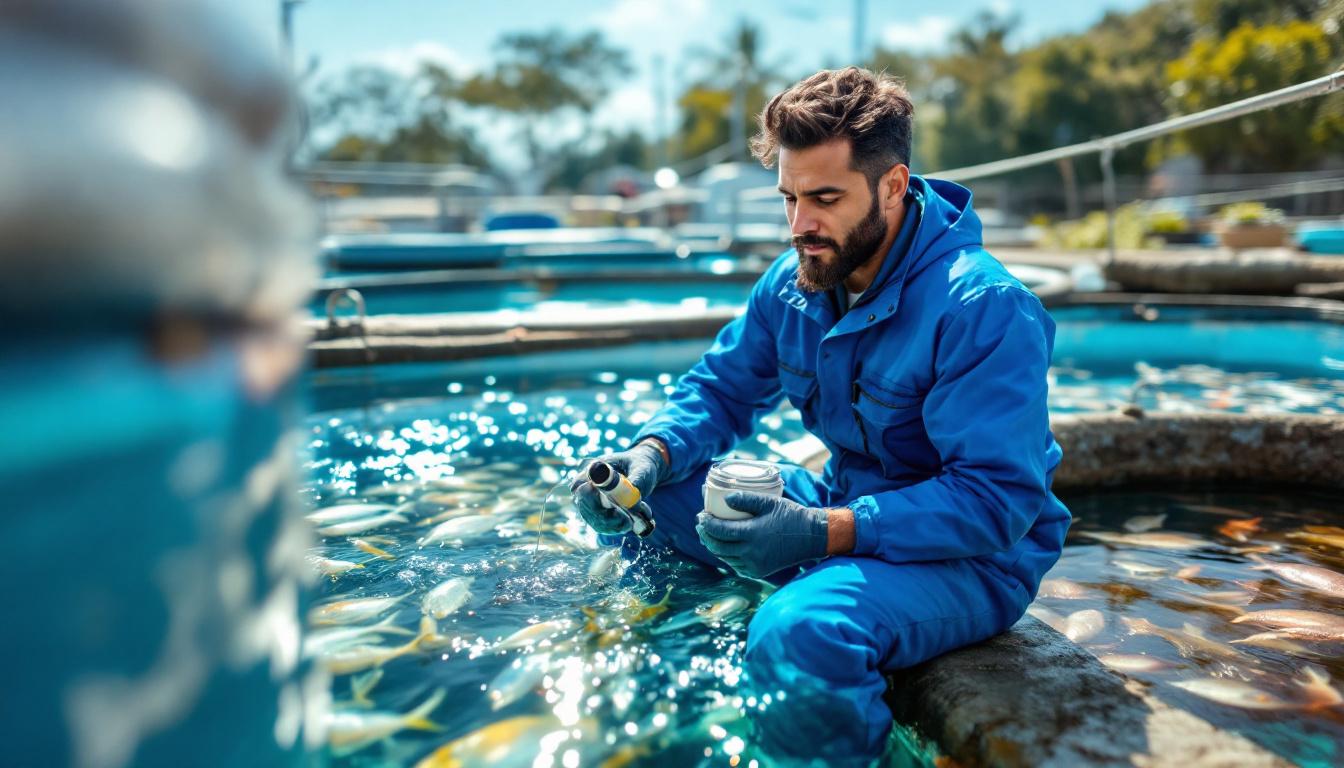
- Practical components involve fieldwork and data collection in aquatic environments.
- The program includes case studies on sustainable fishing and resource conservation.
- Students develop skills in data analysis and use of management tools.
How to get in
Admission requires a completed bachelor's degree or equivalent, often in biology, environmental science, or related fields. Applicants usually submit transcripts, letters of recommendation, and a statement of purpose. The selection process evaluates academic background and motivation for fisheries sciences.
- Applicants must have a bachelor's degree or equivalent.
- The admission process involves submitting academic records and supporting documents.
- Relevant prior knowledge in biology or environmental sciences is preferred.
- Some programs may require an interview or additional tests.
- Students with a strong interest in marine environments and sustainability are encouraged to apply.
Day to day
The one-year program typically follows a structured academic calendar with a mix of lectures, labs, and field activities. Students engage in projects that apply theoretical knowledge to real-world fisheries issues. Internships or practical placements may be part of the curriculum, offering hands-on experience.
- The academic year includes lectures, laboratory work, and field trips.
- Students participate in research projects related to fisheries management.
- Practical experience through internships or collaborations with fisheries organizations is common.
- The workload involves regular assignments, exams, and group work.
- Students develop skills in data collection and environmental monitoring.
Careers this degree leads to
Graduates can find employment in various sectors related to fisheries and marine resource management. Jobs often involve supporting sustainable practices, environmental assessment, or policy implementation. The job market includes governmental agencies, environmental organizations, and private companies involved in fisheries.
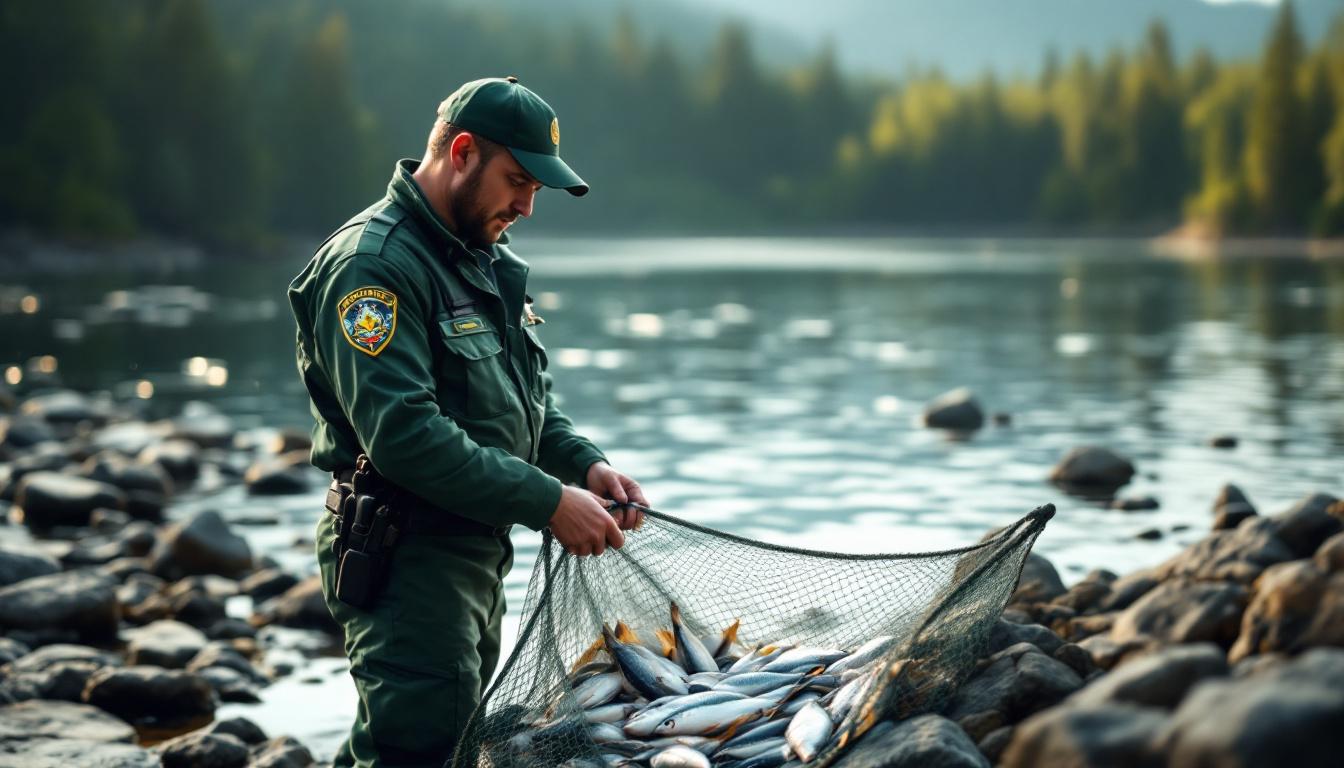
- Possible roles include fisheries manager, environmental consultant, and resource analyst.
- Employment sectors include government agencies overseeing fisheries and marine resources.
- Non-governmental organizations focused on environmental conservation also recruit graduates.
- Private companies in aquaculture and sustainable seafood production may offer positions.
- The job market generally values practical experience and knowledge of sustainable practices.


Continuing your studies
After completing this certificate, students may choose to continue their education with advanced degrees in marine biology, environmental science, or natural resource management. The certificate can also serve as a specialization supplement to a broader scientific background.
- Further studies might include master's degrees in fisheries science or marine ecology.
- Students can pursue research-oriented programs or professional degrees.
- The certificate supports reorientation toward environmental policy or resource management.
- It can complement studies in environmental law or sustainability.
Where to study this degree (36)






Liste des 36 établissements
- University of Alaska FairbanksFairbanks
- University of Arkansas at Pine BluffPine Bluff
- University of Rio Grande and Rio Grande Community CollegeRio Grande
- Kentucky State UniversityFrankfort
- University of MiamiCoral Gables
- Oregon State UniversityCorvallis
- Purdue University West LafayetteWest Lafayette
- University of Wisconsin–Stevens PointStevens Point
- Northern Michigan UniversityMarquette
- Lake Superior State UniversitySault Ste Marie
- Texas A & M University-College StationCollege Station
- University of FloridaGainesville
- Bellingham Technical CollegeBellingham
- SUNY CobleskillCobleskill
- University of IdahoMoscow
- Cal Poly HumboldtArcata
- University of Rhode IslandKingston
- University of Alaska SoutheastJuneau
- Hocking CollegeNelsonville
- Coastal Pines Technical CollegeWaycross
- Mt. Hood Community CollegeGresham
- University of New EnglandBiddeford
- Virginia TechBlacksburg
- Paul Smith's CollegePaul Smiths
- Oregon State University CascadesBend
- Juniata CollegeHuntingdon
- Iowa State UniversityAmes
- South Dakota State UniversityBrookings
- Eastern Michigan UniversityYpsilanti
- University of Washington-Seattle CampusSeattle
- Grand Valley State UniversityAllendale
- University of Minnesota-Twin CitiesMinneapolis
- Bristol Community CollegeFall River
- University of Maryland Eastern ShorePrincess Anne
- Delaware State UniversityDover
- Utah State UniversityLogan
Frequently asked questions
What prior education is needed to apply?
Applicants need a bachelor's degree or equivalent, usually in biology, environmental science, or related fields. Relevant coursework helps but is not always mandatory.
Is this program more theoretical or practical?
The program balances theory and practice, including lectures, labs, fieldwork, and projects to apply learning to real-world fisheries management.
Can I work while studying this certificate?
The program is intensive and typically full-time, so working alongside may be challenging. Part-time options depend on the institution.
Are internships included in the program?
Many programs encourage or require internships or practical placements to provide hands-on experience in fisheries or environmental organizations.
What jobs can I get after completing this certificate?
Graduates can work as fisheries managers, environmental consultants, resource analysts, or in roles supporting sustainable fishing and marine conservation.
Can I continue my studies after this certificate?
Yes, many students pursue master's degrees in related fields such as marine biology, fisheries science, or environmental management.
Is this certificate recognized internationally?
While offered in the US, the knowledge and skills gained are relevant internationally, especially in countries focused on sustainable fisheries.
Does the program cover policy and regulations?
Yes, students study environmental policies and regulations that affect fisheries management and sustainable resource use.
