
Postbaccalaureate Certificate in Film/Video and Photographic Arts
This one-year postbaccalaureate certificate in Film/Video and Photographic Arts provides practical skills in visual storytelling and media production, preparing students for creative roles in the media industry.
About
This certificate is designed for students who already hold a bachelor's degree and want to specialize in film, video, and photographic arts. It offers focused training in visual media production, combining technical skills and creative expression. The program suits those aiming to work in creative industries such as filmmaking, video production, or photography.
- The program lasts one year and is intensive, focusing on practical and theoretical knowledge.
- It is intended for graduates who want to enhance their artistic and technical skills in media arts.
- Students learn to use industry-standard equipment and software for film and photography.
- It prepares students for entry-level creative roles or further studies in media arts.
- The certificate is recognized in the United States educational system as a postbaccalaureate qualification.
What you study
The curriculum combines theory and hands-on practice to develop skills in film, video, and photographic arts. Students progress through foundational courses toward more advanced projects. Practical work is central, with opportunities to create and edit visual content.
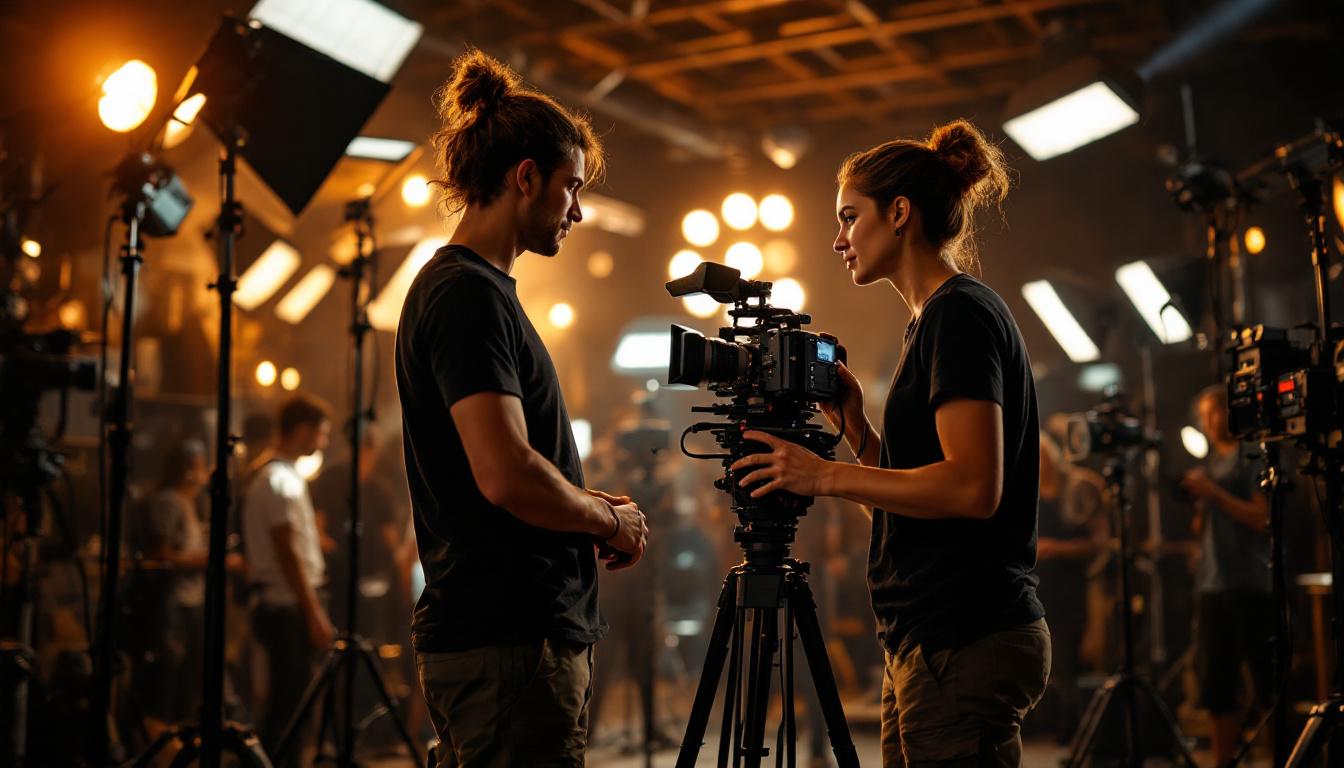
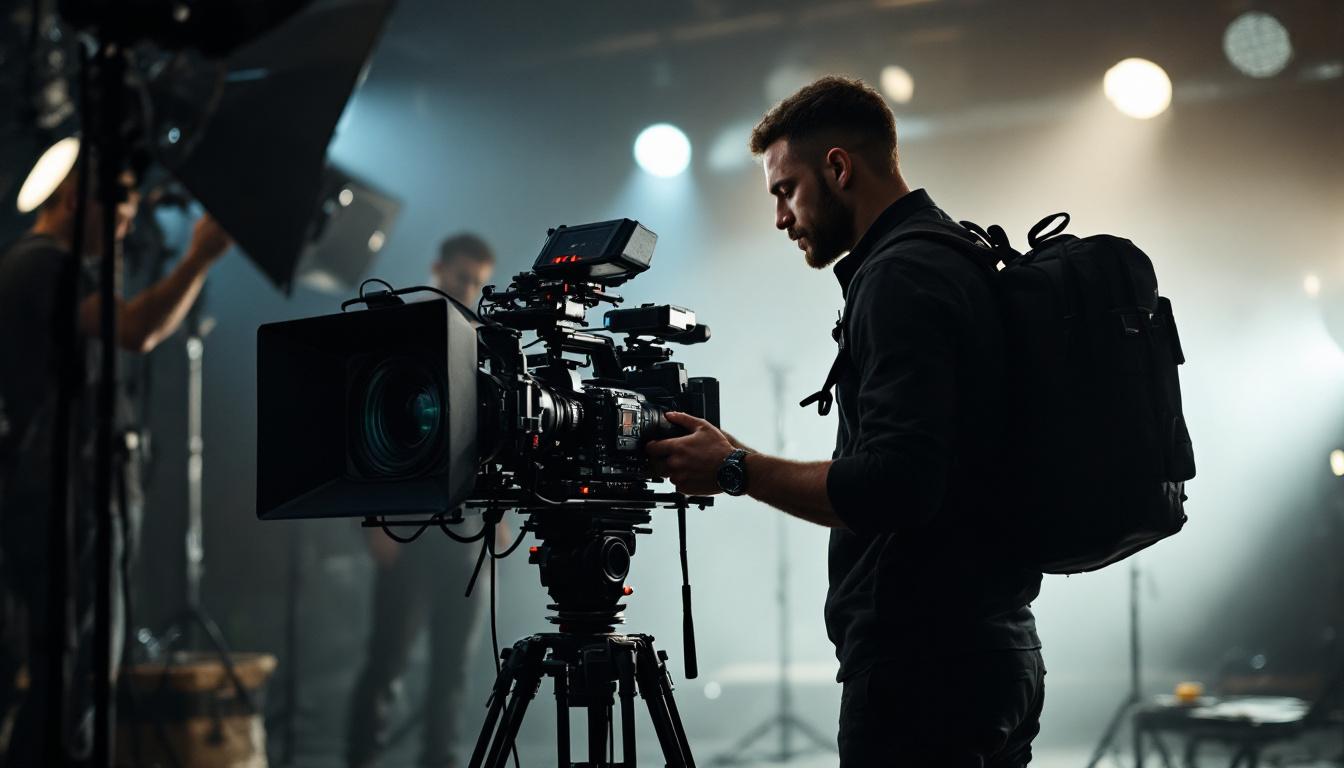
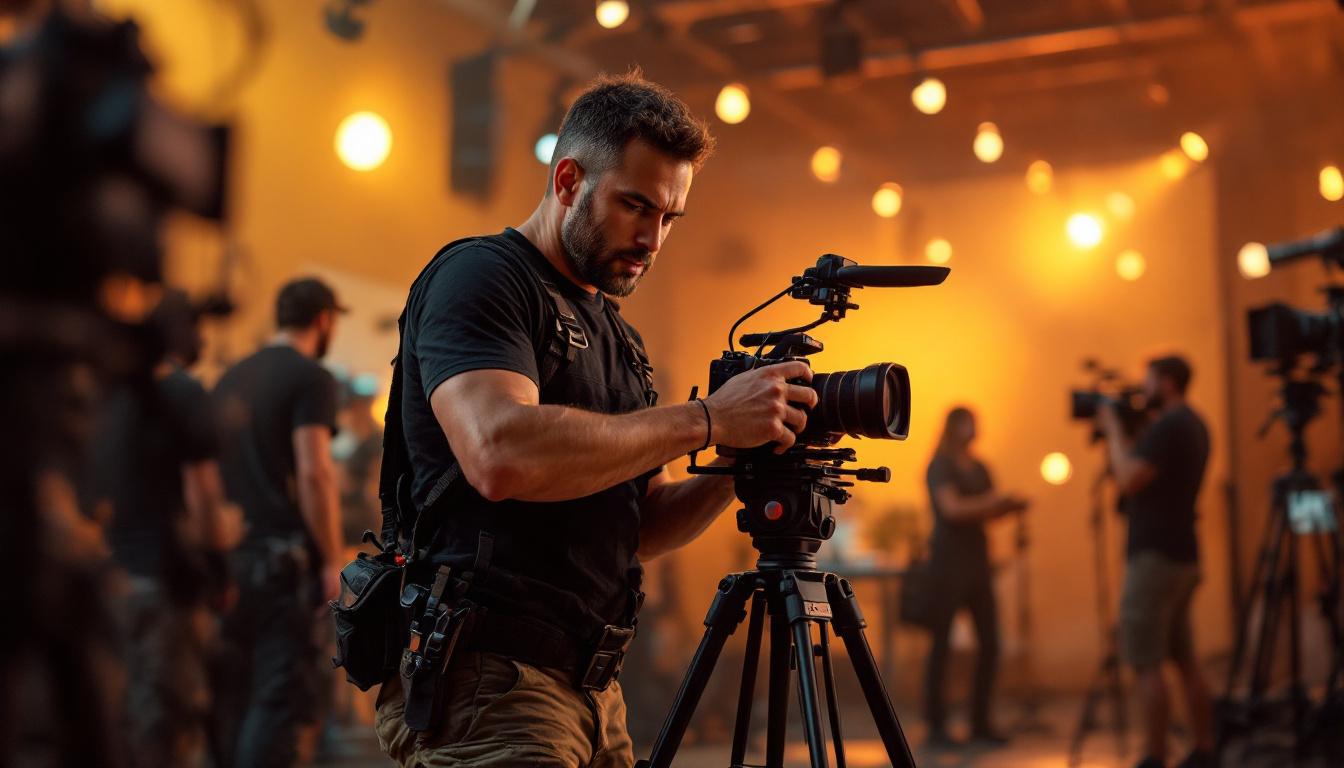
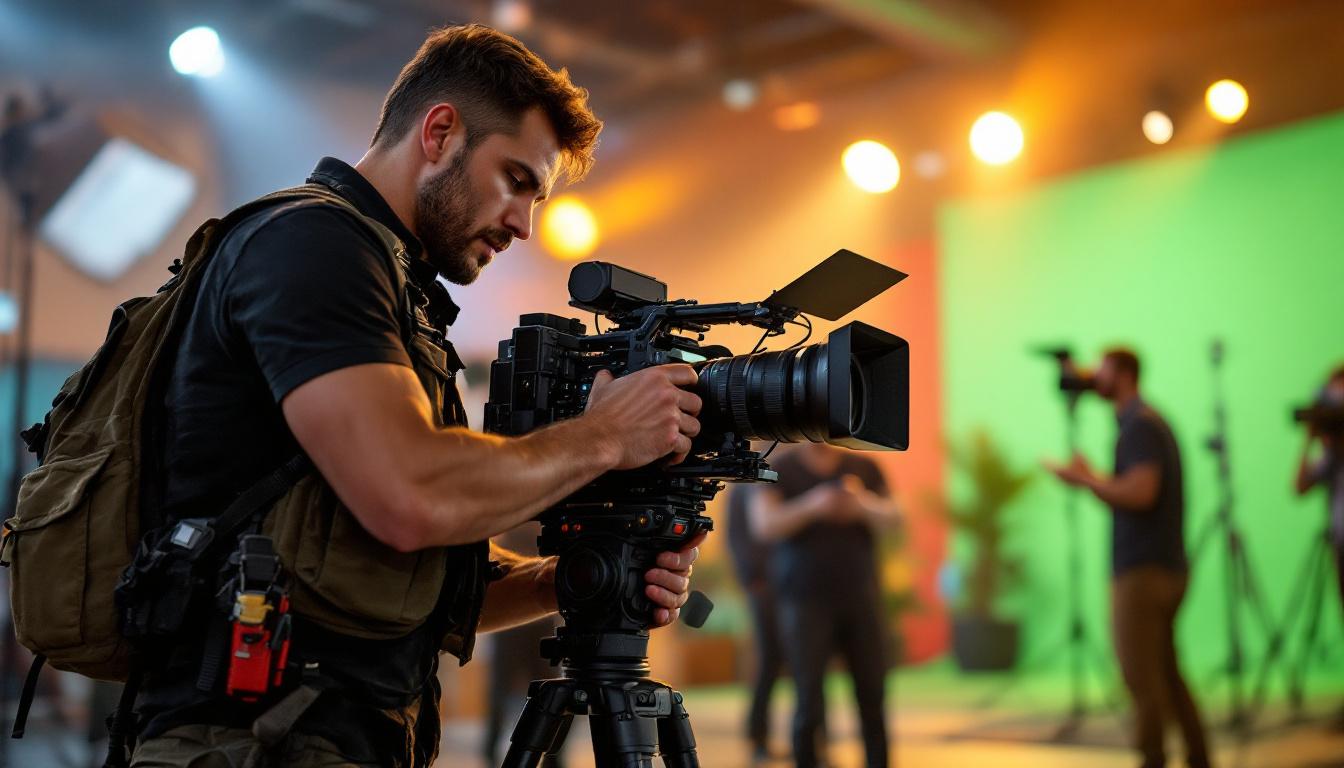
- Courses cover film production techniques, including camera operation and lighting.
- Students study video editing using professional software tools.
- Photography principles and digital imaging are core subjects.
- The program includes storytelling and scriptwriting for visual media.
- Students complete projects that simulate real-world production environments.
- There is a strong emphasis on collaborative work and portfolio development.
How to get in
Admission requires a completed bachelor's degree, reflecting the postbaccalaureate level of the certificate. The process involves submitting academic transcripts and often a portfolio or examples of creative work.
- Applicants must have a bachelor's degree from an accredited institution.
- The selection process may require a portfolio showcasing relevant creative projects.
- Some programs ask for letters of recommendation or a statement of purpose.
- Admission is handled by the university or college offering the certificate.
- International students may need to demonstrate English proficiency.
Day to day
The academic year is structured with a mix of lectures, workshops, and project work. Students spend significant time in studios or labs working on individual and group assignments.
- Classes include practical workshops where students use cameras and editing software.
- Students often collaborate on short films or photographic series.
- The program may include guest lectures from industry professionals.
- Some programs encourage or facilitate internships in media companies.
- The workload is intensive, with deadlines for multiple projects throughout the year.
Careers this degree leads to
Graduates can pursue creative roles in media production, photography, and related fields. The certificate helps build a portfolio to enter competitive job markets.
- Possible jobs include video editor, photographer, and production assistant.
- The film and media industry is a common employer.
- Advertising agencies and digital content companies also recruit graduates.
- Employment often involves freelance or contract work initially.
- The job market values practical experience and a strong portfolio.


Careers after further study
These careers require a higher level of study than this degree.





Continuing your studies
After completing the certificate, students may continue studies in advanced media arts or related fields. This can deepen expertise or open new career paths.
- Options include enrolling in a master's degree in film, media, or visual arts.
- Some may choose specialized diplomas in digital media production or photography.
- Others might explore related fields like graphic design or animation.
Where to study this degree (27)
















Liste des 27 établissements
- University of CincinnatiCincinnati
- CUNY Graduate School and University CenterNew York
- American Film Institute ConservatoryLos Angeles
- University of OregonEugene
- Southern Oregon UniversityAshland
- New SchoolNew York
- Texas A & M University-College StationCollege Station
- Washington University in St LouisSaint Louis
- East Tennessee State UniversityJohnson City
- University of KansasLawrence
- University of Pittsburgh-Pittsburgh CampusPittsburgh
- Michigan State UniversityEast Lansing
- University of Michigan-Ann ArborAnn Arbor
- Temple UniversityPhiladelphia
- San Francisco State UniversitySan Francisco
- University of California-Los AngelesLos Angeles
- Mars Hill UniversityMars Hill
- Southern Adventist UniversityCollegedale
- Johns Hopkins UniversityBaltimore
- Texas Tech UniversityLubbock
- University of Massachusetts-AmherstAmherst
- Mississippi CollegeClinton
- Purchase CollegePurchase
- University of Nevada, Las VegasLas Vegas
- Murray State UniversityMurray
- George Washington UniversityWashington
- University of ArizonaTucson
Frequently asked questions
What prior education is needed to apply?
Applicants must have completed a bachelor's degree from an accredited institution. Some programs may require a portfolio or creative work samples.
Is this certificate suitable for beginners in film and photography?
The program assumes some prior knowledge or experience in visual arts since it is a postbaccalaureate certificate focused on specialization.
Are there opportunities for internships during the program?
Many programs encourage internships or practical experiences, though availability depends on the institution and local industry connections.
Can I work while studying this certificate?
The program is intensive and typically full-time, so balancing work may be challenging but depends on individual circumstances.
Does this certificate lead directly to jobs in the film industry?
It prepares students for entry-level creative roles, but building a strong portfolio and gaining experience are important for employment.
Can I continue my studies after completing this certificate?
Yes, graduates can pursue advanced degrees or specialized diplomas in related fields to deepen their expertise.
Is the certificate recognized outside the United States?
Recognition varies by country; it is primarily recognized within the US education system but may be valued internationally depending on the institution.
Are there specific software skills taught in the program?
Yes, students learn to use professional video editing and digital imaging software commonly used in the media industry.