
Postbaccalaureate Certificate in Archeology
This one-year postbaccalaureate certificate in archaeology teaches fundamental archaeological methods and knowledge, preparing students for entry-level roles or further studies in archaeology and related fields.
About
This Postbaccalaureate Certificate in Archaeology is a one-year program offered in the United States. It is designed for students who have already completed a bachelor's degree and want to gain specialized knowledge in archaeology without committing to a full graduate degree. The certificate focuses on foundational archaeological skills and concepts, making it suitable for those interested in working in archaeology-related fields or preparing for graduate studies.
- The program covers essential topics like archaeological theory, field methods, and artifact analysis.
- It is aimed at graduates from various backgrounds who want to add archaeology to their skill set.
- Completing the certificate can help students pursue roles such as field technician or research assistant.
- The certificate also serves as a stepping stone for those considering a master's degree in archaeology or anthropology.
- The program is offered by universities or colleges with archaeology departments in the US education system.
What you study
The curriculum of this certificate is structured to provide both theoretical knowledge and practical experience over one year. Students begin with foundational courses that introduce archaeological principles and historical contexts. As the year progresses, they engage in more hands-on learning.
- Core courses include field excavation techniques, laboratory analysis, and archaeological recording.
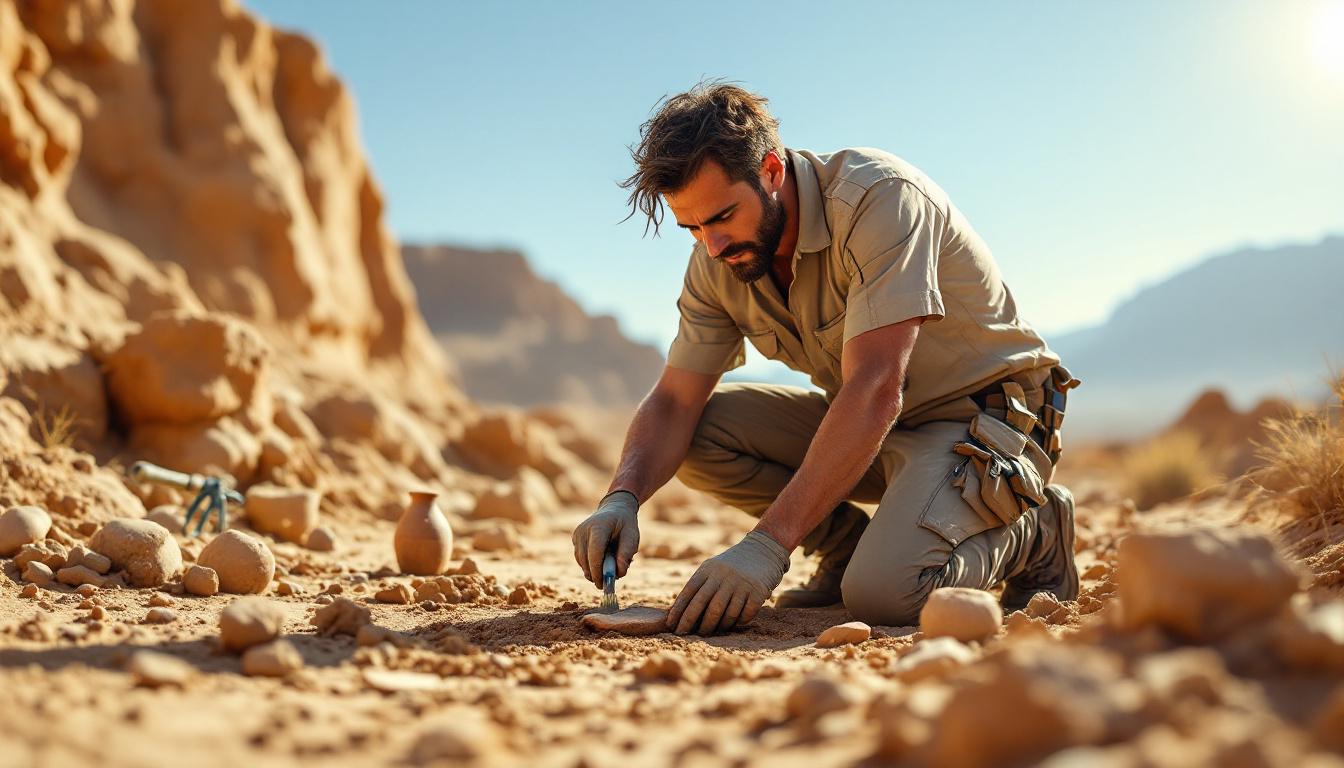
- Students often participate in supervised fieldwork projects or simulated digs to apply their learning.
- The program may include training in GIS mapping and artifact conservation.
- Instruction combines lectures, seminars, and practical workshops to develop a well-rounded skill set.
- Assessment typically involves reports, presentations, and practical evaluations.
How to get in
Admission to this postbaccalaureate certificate requires applicants to have completed a bachelor's degree, usually in a related or unrelated field. The process follows US higher education admission standards.
- Applicants submit transcripts showing completion of an undergraduate degree.
- Some programs may require a statement of purpose explaining interest in archaeology.
- Letters of recommendation can strengthen the application but are not always mandatory.
- There is generally no strict prerequisite in archaeology, making it accessible to diverse academic backgrounds.
- Admission is usually handled directly by the university's archaeology or continuing education department.
Day to day
The academic year for this certificate is intensive but manageable, combining classroom learning with practical activities. Students typically attend regular classes and participate in fieldwork sessions.
- The schedule includes lectures, lab sessions, and field exercises spread throughout the year.
- Fieldwork often takes place during specific periods, sometimes requiring travel to archaeological sites.
- Students may work on group projects involving excavation planning and artifact documentation.
- Internships or volunteer opportunities with local museums or archaeological organizations can complement studies.
- The program usually does not offer formal work-study or apprenticeship options but encourages practical experience.
Careers this degree leads to
Graduates with this certificate can find entry-level roles in archaeology and related fields, though many continue their studies for advanced positions. The job market includes cultural resource management and academic research.
- Possible jobs include field technician, archaeological assistant, and museum technician.
- Employers range from government agencies to private archaeological firms and museums.
- The certificate helps candidates demonstrate foundational skills valued in heritage preservation projects.
- Job availability depends on regional archaeological activity and funding.
- Many graduates use the certificate as a stepping stone to graduate studies to improve career prospects.


Careers after further study
These careers require a higher level of study than this degree.


Continuing your studies
After completing the certificate, students can pursue further education to deepen their expertise. Graduate programs in archaeology or anthropology are common next steps.
- Many choose to enroll in a master's degree in archaeology or related fields.
- The certificate can also support applications to specialized programs in cultural resource management.
- Some students may explore interdisciplinary studies combining archaeology with history or environmental science.
- Reorientation towards museum studies or heritage management is also possible.
Where to study this degree (4)




Liste des 4 établissements
- Monmouth UniversityWest Long Branch
- Texas A & M University-College StationCollege Station
- Southern Adventist UniversityCollegedale
- University of ArizonaTucson
Frequently asked questions
What prior education is needed to apply?
You need to have completed a bachelor's degree in any field. No specific archaeology background is required.
Is this certificate enough to work as a professional archaeologist?
It prepares you for entry-level roles but many professional archaeologists pursue graduate degrees for advanced positions.
Are there practical fieldwork opportunities during the program?
Yes, the program includes hands-on field exercises and sometimes supervised excavations to gain practical experience.
Can I do this certificate part-time or online?
Some programs may offer flexible options, but fieldwork usually requires in-person attendance.
Does the program include internships?
While not always mandatory, students are encouraged to seek internships or volunteer work in museums or archaeological projects.
What careers can I pursue after this certificate?
You can work as a field technician, archaeological assistant, or in museum support roles, among others.
Can this certificate help me enter graduate school?
Yes, it provides foundational knowledge useful for applying to master's programs in archaeology or related fields.
Is financial aid available for this certificate?
Financial aid options depend on the university and may include scholarships or loans for continuing education.