
Postbaccalaureate Certificate in Anthropology
This one-year postbaccalaureate certificate in anthropology provides foundational knowledge of human cultures and societies, preparing students for various roles in research, education, or cultural resource management.
About
The Postbaccalaureate Certificate in Anthropology is a one-year program offered in the United States for students who already hold a bachelor's degree. It is designed to deepen understanding of human cultures, societies, and biological aspects through anthropological methods. This certificate is suitable for those looking to enhance their academic background in anthropology, explore career options in related fields, or prepare for advanced studies. It allows graduates to gain specialized knowledge that can be applied in research, cultural institutions, or community work.
- The program targets students with a completed bachelor's degree interested in anthropology.
- It provides a focused study of human diversity, evolution, and cultural practices.
- Graduates can pursue roles in research, education, or cultural resource management.
- The certificate can also serve as a stepping stone for graduate studies in anthropology or related disciplines.
- The curriculum balances theoretical knowledge with practical skills relevant to understanding human societies.
What you study
This certificate program covers key anthropological topics and methods over one academic year. Students engage with both cultural and biological anthropology, learning how to analyze human behavior and societies. Coursework includes lectures, discussions, and applied projects to build critical thinking and research skills.
- Core subjects include cultural anthropology, archaeology, biological anthropology, and anthropological theory.
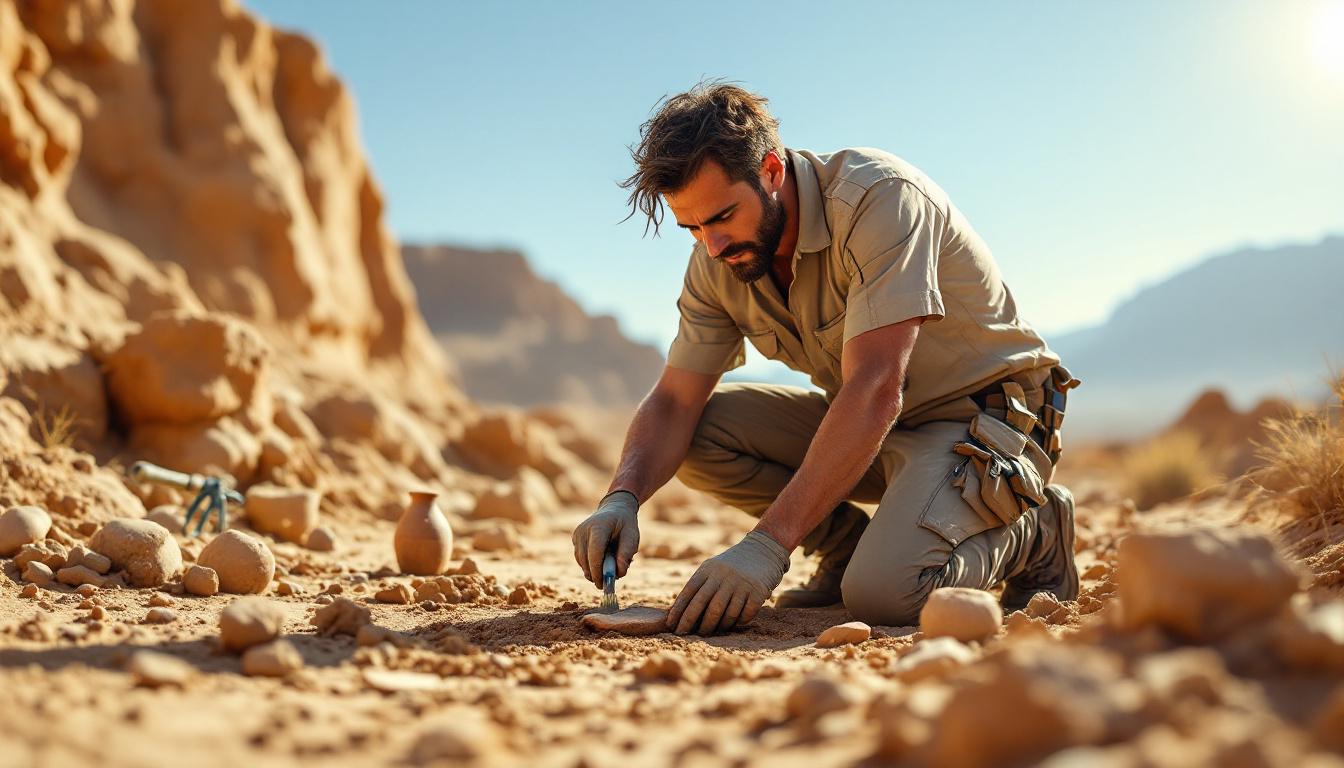
- Students learn research methods such as ethnography and archaeological field techniques.
- The program includes practical assignments like data analysis and case studies.
- Classes emphasize understanding human diversity through real-world examples.
- Students progressively develop skills in critical analysis and academic writing.
- The curriculum is structured to provide both foundational knowledge and applied experience.
How to get in
Admission to this certificate program requires applicants to hold a bachelor's degree, typically in anthropology or a related field, but students from other disciplines may also apply. The selection process involves submitting academic transcripts and sometimes a statement of purpose explaining the candidate's interest in anthropology.
- Applicants must have completed a bachelor's degree from an accredited institution.
- The admission procedure usually includes an application form and academic records.
- Some programs may request letters of recommendation or a personal statement.
- Students with diverse academic backgrounds are often welcomed, provided they show interest in anthropology.
- Admission is generally not highly selective, focusing on motivation and academic readiness.
Day to day
The academic year in this certificate program combines lectures, seminars, and practical work. Students typically attend classes several times a week, with assignments and projects to complete outside class. While internships are not always mandatory, some programs encourage fieldwork or research projects to gain hands-on experience.
- The weekly schedule includes lectures on theory and seminars for discussion.
- Students work on projects analyzing cultural or archaeological data.
- Some programs offer opportunities for short fieldwork or museum visits.
- Time management is important to balance readings, assignments, and possible research.
- There is usually no formal apprenticeship or alternance arrangement.
Careers this degree leads to
Graduates of this certificate can find opportunities in various sectors related to anthropology. While the certificate alone may not qualify for all professional roles, it can support entry-level positions or enhance qualifications for further studies. Careers often involve research assistance, cultural resource work, or education support.
- Possible jobs include research assistant, museum technician, or cultural program coordinator.
- Sectors recruiting include academic institutions, museums, and nonprofit organizations.
- The certificate helps build skills useful for community outreach and cultural preservation.
- Employment can be competitive; further studies may improve prospects.
- Many graduates continue their education to access more specialized roles.

Careers after further study
These careers require a higher level of study than this degree.

Continuing your studies
After completing this certificate, students often consider graduate programs in anthropology or related fields such as archaeology, sociology, or cultural studies. The certificate can also support reorientation into careers involving cultural heritage or social research.
- Common next steps include master's degrees in anthropology or archaeology.
- Some students pursue graduate certificates or diplomas in specialized areas.
- The program can facilitate entry into research or academic careers.
- It also allows for reorientation towards fields like museum studies or cultural resource management.
Where to study this degree (27)















Liste des 27 établissements
- University of Central FloridaOrlando
- Missouri State UniversitySpringfield
- University of Nebraska–LincolnLincoln
- Columbia UniversityNew York
- Georgia State UniversityAtlanta
- Wichita State UniversityWichita
- Oregon State UniversityCorvallis
- University of Tennessee at KnoxvilleKnoxville
- American UniversityWashington
- University of MaryBismarck
- Mercyhurst UniversityErie
- Idaho State UniversityPocatello
- San Francisco State UniversitySan Francisco
- Stony Brook UniversityStony Brook
- Southern Oregon UniversityAshland
- Duke UniversityDurham
- University of South Carolina-ColumbiaColumbia
- Oregon State University CascadesBend
- Western Oregon UniversityMonmouth
- Creighton UniversityOmaha
- University of ArizonaTucson
- Minnesota State University, MankatoMankato
- Boise State UniversityBoise
- Illinois State UniversityNormal
- Arizona State University Campus ImmersionTempe
- California State University, NorthridgeNorthridge
- University of South DakotaVermillion
Frequently asked questions
Who can apply for this Postbaccalaureate Certificate in Anthropology?
Applicants must have a bachelor's degree. While a background in anthropology is helpful, students from other fields with an interest in anthropology can also apply.
Is this certificate enough to work as a professional anthropologist?
This certificate provides foundational knowledge but professional anthropologist roles often require graduate degrees. It can support entry-level positions or further study.
Does the program include practical fieldwork or internships?
Some programs offer opportunities for fieldwork or research projects, but internships are not always mandatory. Practical assignments help apply theoretical knowledge.
Can I continue my studies after this certificate?
Yes, many students use this certificate to prepare for master's programs in anthropology or related fields to deepen their expertise.
What kind of jobs can I get after this certificate?
Graduates can work as research assistants, museum technicians, or cultural program coordinators, often in academic, nonprofit, or cultural heritage sectors.
Is the admission process competitive?
Admission is generally not highly selective. The main requirements are a bachelor's degree and motivation to study anthropology.
Is it possible to study this certificate while working?
The program typically requires regular attendance and coursework, so balancing work and study depends on the student's schedule and program format.
Are there opportunities for alternance or apprenticeship in this program?
Alternance or apprenticeship is generally not available for this certificate, as it focuses mainly on academic coursework.