Doctor of Philosophy (PhD) in Soil Sciences
A PhD in Soil Sciences trains students to conduct advanced research on soil properties and processes, preparing them for careers in academia, research, and environmental management.
About
The Doctor of Philosophy (PhD) in Soil Sciences is a research-focused degree offered in the United States, designed for students who want to deepen their knowledge of soil systems and contribute to scientific understanding. It is aimed at those who have completed a master's degree or equivalent in related fields and are interested in pursuing an academic or research career. This doctorate allows graduates to become experts in soil chemistry, physics, biology, and ecology, often leading to roles in universities, government agencies, or private research institutions.
- The program typically lasts between four to seven years, depending on the research project and progress.
- It is suited for students passionate about scientific investigation and willing to engage in long-term studies.
- Graduates often work as researchers, professors, or specialists in environmental and agricultural sectors.
- The degree emphasizes original research contributing new knowledge to the field of soil sciences.
- It involves close collaboration with faculty advisors and participation in academic communities.
What you study
The PhD program in Soil Sciences involves a combination of coursework, research, and dissertation writing spread over several years. Early years focus on advanced classes and developing a research proposal, while later years are dedicated to conducting experiments and analyzing data.
- Students study soil chemistry, soil physics, microbial ecology, and environmental soil science through seminars and lectures.
- Research methods and data analysis techniques are taught to prepare for independent investigation.
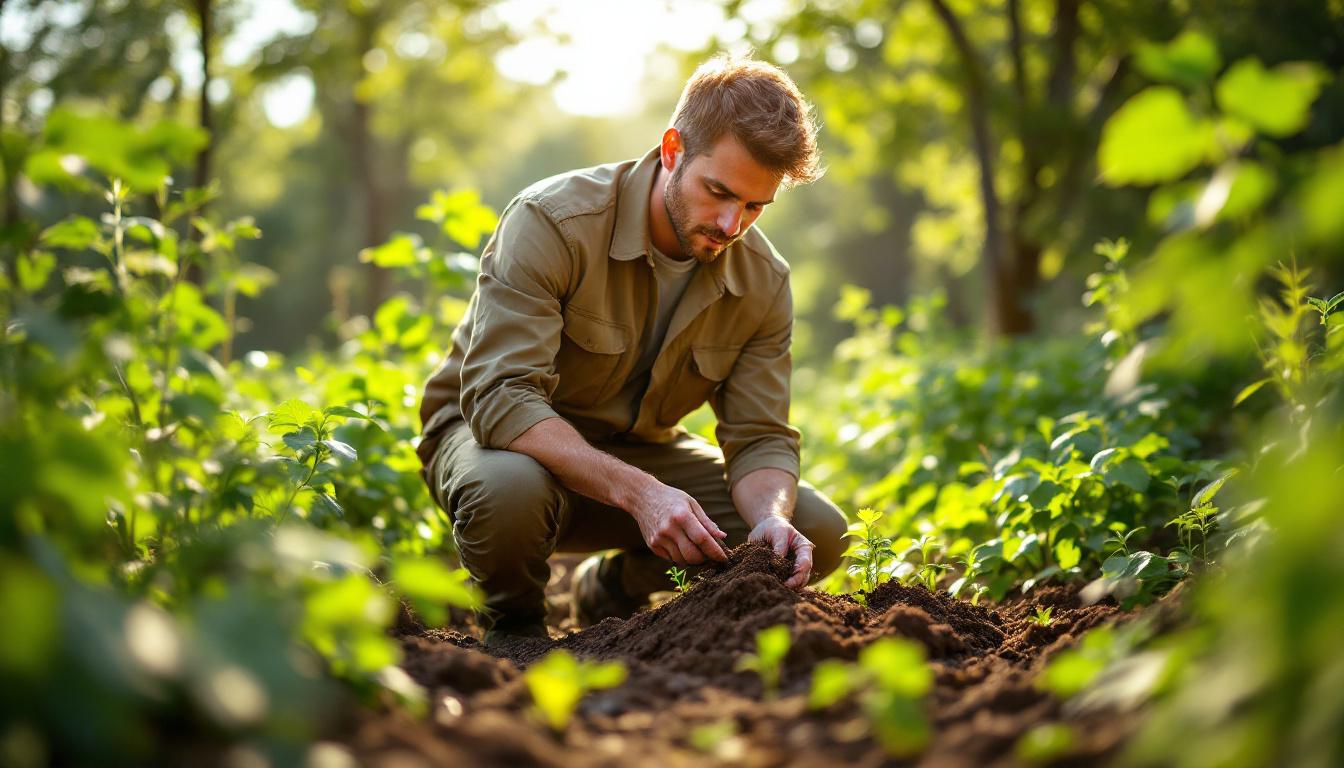
- Practical work includes field sampling, laboratory experiments, and the use of specialized instruments.
- Students progressively focus on their own doctoral research project under faculty supervision.
- Participation in academic conferences and publishing articles is encouraged to develop professional skills.
- The program culminates in writing and defending a doctoral dissertation presenting original research findings.
How to get in
Admission to a PhD program in Soil Sciences in the US requires a strong academic background and research experience. Candidates usually hold a master's degree in soil science, environmental science, agriculture, or related fields.
- Applicants submit academic transcripts, letters of recommendation, and a research proposal or statement of purpose.
- Standardized tests like the GRE may be required depending on the university.
- Successful candidates demonstrate research potential and motivation for scientific inquiry.
- Some programs may require interviews or contact with potential supervisors before admission.
- The process is competitive and focused on matching students with faculty expertise.
Day to day
The daily life of a PhD student in Soil Sciences involves a mix of coursework, research activities, and academic responsibilities. The rhythm varies depending on the stage of the program.
- Early years include attending classes, seminars, and laboratory sessions.
- Most time is spent on fieldwork collecting soil samples or conducting experiments.
- Students analyze data using computer software and write scientific reports.
- Regular meetings with advisors help guide research progress and problem-solving.
- Participation in conferences and workshops helps build professional networks.
- There is no formal alternance system, but internships or collaborations with external labs may occur.
Careers this degree leads to
Graduates with a PhD in Soil Sciences have access to careers in research, teaching, and environmental management. The degree prepares them for roles requiring deep expertise in soil systems.
- Many become university professors or researchers in academic institutions.
- Positions in government agencies focus on natural resource management and environmental policy.
- Private sector jobs include consulting for agriculture, land use, and environmental impact assessment.
- The job market values candidates with strong research and analytical skills.
- Insertion into the workforce is generally linked to ongoing research projects and networking.





Continuing your studies
After completing a PhD in Soil Sciences, further study is uncommon but possible. Graduates may pursue postdoctoral research to deepen expertise or shift focus.
- Postdoctoral positions allow additional research experience and publication opportunities.
- Some may transition into interdisciplinary fields such as environmental science or climate studies.
- Others may seek professional development in science communication or policy.
Where to study this degree (42)
















Liste des 42 établissements
- North Carolina State UniversityRaleigh
- University of FloridaGainesville
- Brigham Young UniversityProvo
- University of Tennessee at KnoxvilleKnoxville
- Michigan State UniversityEast Lansing
- Colorado State University-Fort CollinsFort Collins
- University of Wisconsin–Stevens PointStevens Point
- Clemson UniversityClemson
- Brigham Young University - IdahoRexburg
- University of Nebraska–LincolnLincoln
- Southern Illinois University CarbondaleCarbondale
- University of GeorgiaAthens
- Oklahoma State University-Main CampusStillwater
- Iowa State UniversityAmes
- Tennessee College of Applied Technology NorthwestNewbern
- University of California-DavisDavis
- Missouri State UniversitySpringfield
- University of Hawaiʻi at MānoaHonolulu
- University of Puerto Rico-MayaguezMayaguez
- Purdue University West LafayetteWest Lafayette
- University of Minnesota-Twin CitiesMinneapolis
- University of Arkansas Community College at BatesvilleBatesville
- North Dakota State UniversityFargo
- Oregon State UniversityCorvallis
- Washington State UniversityPullman
- Pennsylvania State University-Main CampusUniversity Park
- University of WyomingLaramie
- Utah State UniversityLogan
- Texas A & M University-College StationCollege Station
- University of IdahoMoscow
- Texas Tech UniversityLubbock
- University of Wisconsin–MadisonMadison
- New Mexico State UniversityLas Cruces
- Northwest State Community CollegeArchbold
- University of California, RiversideRiverside
- Oregon State University CascadesBend
- University of KentuckyLexington
- University of Maryland-College ParkCollege Park
- Buena Vista UniversityStorm Lake
- California Polytechnic State UniversitySan Luis Obispo
- Treasure Valley Community CollegeOntario
- University of Washington-Seattle CampusSeattle
Frequently asked questions
What prior education is needed to apply for this PhD?
Applicants usually need a master's degree in soil sciences or related fields. A strong background in science and research experience is important.
How long does the PhD program typically last?
The program generally takes between four and seven years, depending on the research topic and progress.
Is there any coursework during the PhD?
Yes, early in the program students attend advanced courses and seminars related to soil sciences and research methods.
Do students have to do fieldwork?
Fieldwork is often an important part of the research, involving soil sampling and environmental measurements.
Can I work while doing this PhD?
PhD studies require a full-time commitment, so working outside the program is usually limited.
What careers can this PhD lead to?
Graduates often become researchers, university professors, or work in environmental consulting and resource management.
Is there an internship or alternance option?
There is no formal alternance system, but some students may collaborate with external labs or participate in internships.
What skills will I gain during the PhD?
You will develop advanced research abilities, scientific writing skills, data analysis expertise, and experience in project management.
