
Doctor of Philosophy (PhD) in Forestry
The PhD in Forestry trains students in advanced research and knowledge of forest ecosystems, preparing them for careers in academia, research, or environmental management.
About
The Doctor of Philosophy (PhD) in Forestry is a research-focused degree designed for students who want to deepen their understanding of forest science and related fields. It is aimed at those interested in conducting original research and contributing new knowledge about forests, their management, conservation, and ecology. This doctorate prepares graduates for roles such as university professors, researchers, or experts in forestry organizations.
- The program typically lasts four to seven years and involves extensive research work.
- It is suited for students with a strong background in environmental science, biology, or forestry.
- Graduates gain skills in scientific investigation, data analysis, and forest ecosystem management.
- The degree opens pathways to careers in academic research, governmental agencies, or private sector environmental consulting.
- The PhD emphasizes both theoretical knowledge and practical application in forest-related issues.
What you study
The PhD in Forestry involves a combination of coursework and independent research, progressing over several years. Early stages focus on advanced classes and developing a research proposal, while later years are dedicated to conducting original research and writing a dissertation.
- Students study forest ecology, forest management, conservation biology, and environmental policy.
- Research methods and statistics are important parts of the curriculum to prepare for data analysis.
- The program includes seminars to discuss current research and develop scientific communication skills.
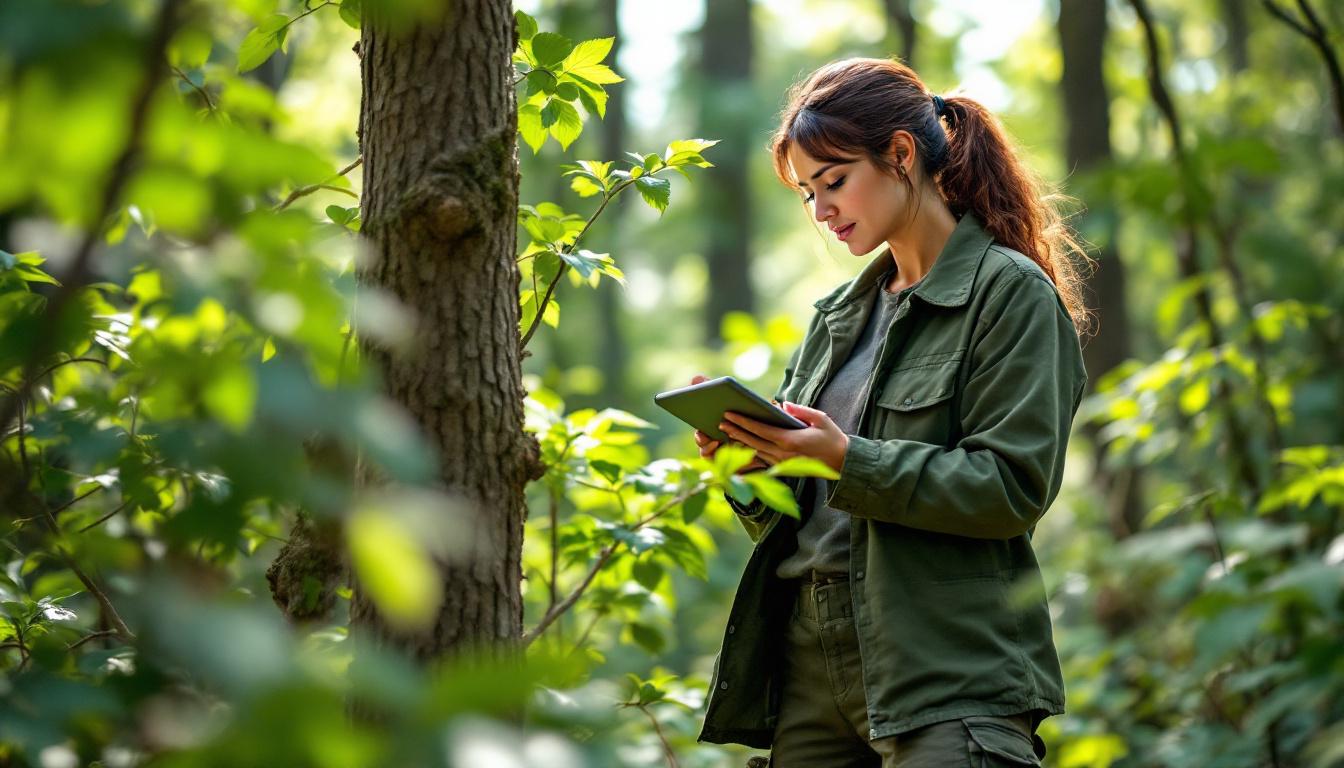
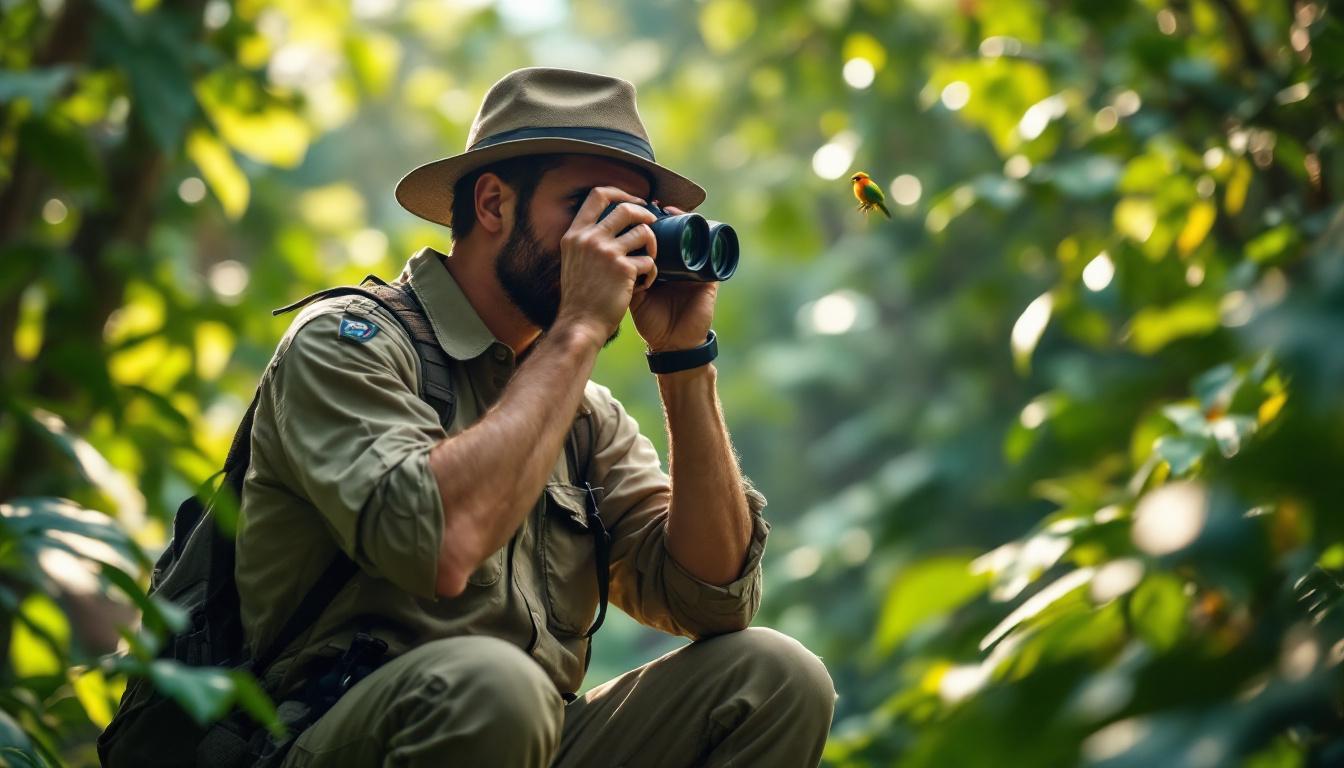
- Practical work often involves field studies in forest environments and laboratory analysis.
- The majority of time is spent on independent research guided by a faculty advisor.
- Students must write and defend a dissertation presenting new findings in forestry science.
How to get in
Admission to a PhD program in Forestry in the US requires a relevant master's degree or equivalent experience in forestry or environmental sciences. Candidates must demonstrate research potential and academic achievement.
- Applicants typically submit transcripts, letters of recommendation, and a research proposal.
- Some programs require GRE scores, while others focus on academic records and research experience.
- Strong motivation for research and clear career goals in forestry are important.
- Admission committees look for candidates with a solid foundation in biology, ecology, or related fields.
- Interviews or discussions with faculty may be part of the selection process.
Day to day
The daily life of a PhD student in Forestry varies but generally combines coursework, research, and fieldwork. The workload is intense and requires self-discipline and organization.
- Students attend seminars and classes during the first years to build foundational knowledge.
- Field trips and practical sessions provide hands-on experience in forest environments.
- Most time is devoted to designing experiments, collecting data, and analyzing results.
- Students often collaborate with research teams or participate in projects with forestry agencies.
- Regular meetings with advisors help guide the research progress.
- Teaching assistantships or internships may be part of the experience but alternance is generally not available.
Careers this degree leads to
Graduates with a PhD in Forestry have access to careers in research, education, and environmental management. The degree is valued in both public and private sectors.
- Many become university professors or researchers in forestry and environmental science.
- Positions in government agencies involve forest conservation and policy development.
- Environmental consulting firms hire PhD holders for expertise in sustainable forest management.
- Non-governmental organizations working on biodiversity and climate change also recruit these experts.
- Insertion into the job market is generally facilitated by the research skills and specialized knowledge acquired.
Continuing your studies
After completing a PhD in Forestry, further study is less common but possible. Graduates may pursue postdoctoral research to deepen expertise or shift to related fields.
- Postdoctoral positions allow additional research experience and specialization.
- Some may transition to interdisciplinary studies involving environmental policy or climate science.
- Others may choose professional development courses in management or communication to enhance career options.
Where to study this degree (27)
















Liste des 27 établissements
- North Carolina State UniversityRaleigh
- University of FloridaGainesville
- University of Washington-Seattle CampusSeattle
- Oregon State UniversityCorvallis
- University of GeorgiaAthens
- Purdue University West LafayetteWest Lafayette
- Virginia TechBlacksburg
- Michigan Technological UniversityHoughton
- Southern University and Agricultural and Mechanical CollegeBaton Rouge
- University of MaineOrono
- University of Wisconsin–MadisonMadison
- Michigan State UniversityEast Lansing
- Auburn UniversityAuburn
- West Virginia UniversityMorgantown
- Colorado State University-Fort CollinsFort Collins
- Stephen F. Austin State UniversityNacogdoches
- Northern Arizona UniversityFlagstaff
- Clemson UniversityClemson
- Mississippi State UniversityStarkville
- University of Minnesota, DuluthDuluth
- SUNY College of Environmental Science and ForestrySyracuse
- Iowa State UniversityAmes
- Utah State UniversityLogan
- Oregon State University CascadesBend
- The University of MontanaMissoula
- Southern University Law CenterBaton Rouge
- Texas A & M University-College StationCollege Station
Frequently asked questions
What is the typical duration of a PhD in Forestry?
The PhD usually takes between four and seven years, depending on the research topic and progress.
Do I need a master's degree to apply?
Yes, applicants generally must have a master's degree in forestry or a related field to be admitted.
Is there coursework during the PhD?
Yes, the first years often include advanced courses and seminars before focusing on research.
Can I work while doing the PhD?
Some students may have teaching assistantships or internships, but full alternance programs are uncommon.
What kind of jobs can I get after this PhD?
Graduates often work as researchers, professors, forest managers, or consultants in environmental fields.
Is the PhD program competitive?
Admission is very selective and based on academic records, research potential, and motivation.
Are fieldwork and practical experience part of the program?
Yes, practical fieldwork is an important component to study forest ecosystems firsthand.
Can I continue studying after the PhD?
Some graduates pursue postdoctoral research or interdisciplinary studies to further specialize.