
Doctor of Philosophy (PhD) in Anthropology
A PhD in Anthropology involves advanced research on human cultures and societies, preparing students for academic, research, or cultural heritage careers.
About
The Doctor of Philosophy (PhD) in Anthropology is a research-focused degree in the United States, designed for students who want to deeply study human cultures, societies, and their development over time. This doctorate is suitable for those interested in becoming researchers, university professors, or experts in cultural heritage and social analysis. It requires a strong commitment to original research and critical thinking.
- The program typically lasts between four and seven years, reflecting the depth of study and research involved.
- It is aimed at students who have already completed a master's degree or equivalent in anthropology or related social sciences.
- Graduates often pursue careers in academia, museums, or cultural institutions.
- The degree emphasizes independent research leading to a dissertation that contributes new knowledge to the field.
- Students develop skills in fieldwork, data analysis, and academic writing.
What you study
The PhD program in Anthropology involves a combination of coursework, comprehensive exams, and original research. The first years focus on broadening theoretical knowledge and research methods, while later years concentrate on dissertation work.
- Early courses cover anthropological theories and research methodologies, including qualitative and quantitative approaches.
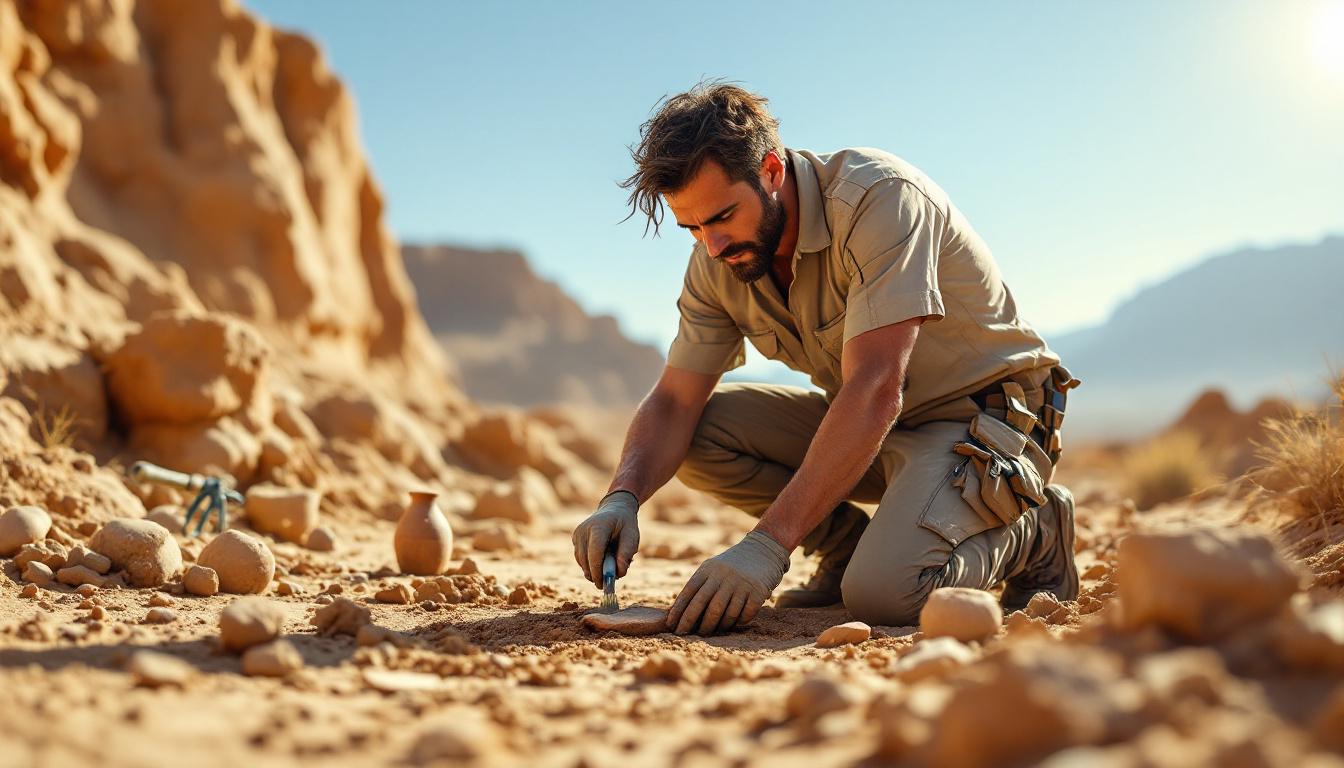
- Students engage in fieldwork to collect data, often spending extended periods in communities or sites relevant to their research.
- The program requires passing comprehensive exams to demonstrate mastery of the discipline.
- Most of the later years are dedicated to writing the doctoral dissertation, an original research project that contributes to anthropology knowledge.
- Students often participate in seminars and conferences to present their work and receive feedback.
- The balance between coursework and research shifts progressively towards independent study and publication.
How to get in
Admission to a PhD program in Anthropology in the US is competitive and requires prior academic preparation. Candidates usually hold a master's degree in anthropology or a related field.
- Applicants must submit academic transcripts, letters of recommendation, and a research proposal outlining their intended study.
- Many programs also require GRE scores, though this varies by institution.
- Strong motivation for research and clear academic goals are important for selection.
- Interviews or writing samples may be requested to assess readiness for doctoral work.
- Applicants are expected to have foundational knowledge in anthropology and related social sciences.
Day to day
The daily life of a PhD student in Anthropology involves a mix of coursework, research, and academic activities. The schedule varies depending on the stage of the program.
- Early years include attending classes, seminars, and preparing for exams.
- Fieldwork periods require travel and extended stays in research locations, which can be intensive and immersive.
- Writing the dissertation involves long hours of reading, data analysis, and drafting chapters.
- Students often collaborate with advisors and peers for feedback and guidance.
- Participation in academic conferences and workshops is common to share findings and network.
- There is no formal alternating work-study system, but some students may hold teaching or research assistant positions.
Careers this degree leads to
After earning a PhD in Anthropology, graduates can pursue various careers, mostly in research and education but also in applied fields.
- Many become university professors or researchers in academic institutions.
- Others work in museums, cultural resource management, or public policy related to cultural heritage.
- Some find roles in non-governmental organizations focusing on social issues or community development.
- The job market is competitive, and building a strong research profile during the PhD helps with employment.
- Professional networks and publications are important for career advancement.

Continuing your studies
After completing the PhD, options for further study are limited, but graduates can continue developing their careers through postdoctoral research or specialized training.
- Postdoctoral fellowships provide opportunities to deepen research expertise and publish work.
- Some may pursue additional qualifications in related fields like public policy or museum studies.
- Others may transition into professional roles requiring applied anthropological knowledge.
Where to study this degree (107)




















Liste des 107 établissements
- California Institute of Integral StudiesSan Francisco
- University of FloridaGainesville
- University of ChicagoChicago
- University of Michigan-Ann ArborAnn Arbor
- University of California-Los AngelesLos Angeles
- Harvard UniversityCambridge
- CUNY Graduate School and University CenterNew York
- Columbia UniversityNew York
- University of California-DavisDavis
- University of PennsylvaniaPhiladelphia
- The University of Texas at AustinAustin
- University of South FloridaTampa
- University of Nevada, Las VegasLas Vegas
- The University of MontanaMissoula
- University of California-BerkeleyBerkeley
- Northwestern UniversityEvanston
- University of Minnesota-Twin CitiesMinneapolis
- Princeton UniversityPrinceton
- Indiana University BloomingtonBloomington
- University of Nevada, RenoReno
- New York UniversityNew York
- New SchoolNew York
- Emory UniversityAtlanta
- University of North Carolina at Chapel HillChapel Hill
- University of Pittsburgh-Pittsburgh CampusPittsburgh
- Washington University in St LouisSaint Louis
- Yale UniversityNew Haven
- Syracuse UniversitySyracuse
- Tulane UniversityNew Orleans
- University of GeorgiaAthens
- University of Tennessee at KnoxvilleKnoxville
- University of Notre DameNotre Dame
- Washington State UniversityPullman
- Boston UniversityBoston
- Arizona State University Campus ImmersionTempe
- University of ArizonaTucson
- University of Wisconsin-MilwaukeeMilwaukee
- Cornell UniversityIthaca
- Duke UniversityDurham
- Texas A & M University-College StationCollege Station
- University of Virginia-Main CampusCharlottesville
- Teachers College at Columbia UniversityNew York
- University at AlbanyAlbany
- University of California-Santa CruzSanta Cruz
- University of California-Santa BarbaraSanta Barbara
- Michigan State UniversityEast Lansing
- Rutgers University-New BrunswickNew Brunswick
- George Washington UniversityWashington
- Stanford UniversityStanford
- University of Illinois ChicagoChicago
- Ohio State University-Main CampusColumbus
- University of New Mexico-Main CampusAlbuquerque
- University of California-IrvineIrvine
- Pennsylvania State University-Main CampusUniversity Park
- Stony Brook UniversityStony Brook
- University of UtahSalt Lake City
- Binghamton UniversityBinghamton
- University of OklahomaNorman
- University of Illinois Urbana-ChampaignUrbana
- Rice UniversityHouston
- Brown UniversityProvidence
- University of Massachusetts-AmherstAmherst
- Brandeis UniversityWaltham
- Vanderbilt UniversityNashville
- University of Washington-Seattle CampusSeattle
- University of Central FloridaOrlando
- University of KentuckyLexington
- University of WyomingLaramie
- Wayne State UniversityDetroit
- Southern Methodist UniversityDallas
- Purdue University West LafayetteWest Lafayette
- Johns Hopkins UniversityBaltimore
- Oregon State UniversityCorvallis
- University of Maryland-College ParkCollege Park
- Case Western Reserve UniversityCleveland
- University of IowaIowa City
- University of KansasLawrence
- The University of Texas at San AntonioSan Antonio
- University of Hawaiʻi at MānoaHonolulu
- University at BuffaloBuffalo
- University of TulsaTulsa
- University of California, RiversideRiverside
- Southern Illinois University CarbondaleCarbondale
- University of Wisconsin–MadisonMadison
- University of MaineOrono
- University of Alaska FairbanksFairbanks
- University of ConnecticutStorrs
- University of AlabamaTuscaloosa
- University of California-San FranciscoSan Francisco
- Louisiana State University and Agricultural & Mechanical CollegeBaton Rouge
- William & MaryWilliamsburg
- Kent State University at KentKent
- University of Colorado BoulderBoulder
- University of South Carolina-ColumbiaColumbia
- University of California-San DiegoLa Jolla
- Texas State UniversitySan Marcos
- American UniversityWashington
- University of OregonEugene
- University of ArkansasFayetteville
- Oregon State University CascadesBend
- Temple UniversityPhiladelphia
- University of Southern CaliforniaLos Angeles
- University of Missouri-ColumbiaColumbia
- Colorado State University-Fort CollinsFort Collins
- Mercyhurst UniversityErie
- Catholic University of AmericaWashington
- Mississippi State UniversityStarkville
Frequently asked questions
What prior education is needed to apply for a PhD in Anthropology in the US?
Applicants usually need a master's degree in anthropology or a related social science. Having research experience and a clear proposal helps.
How long does it take to complete this PhD?
The program typically lasts between four and seven years, depending on the research progress and dissertation completion.
Is there a lot of fieldwork involved?
Yes, fieldwork is an important part of the program. Students spend time collecting data in communities or archaeological sites relevant to their research.
Can I work while doing this PhD?
Some students hold teaching or research assistantships, but the program is demanding and requires significant time for study and research.
What careers can I pursue after this PhD?
Graduates often become university professors, researchers, museum curators, or work in cultural heritage and policy organizations.
Is the admission process competitive?
Yes, admission is very selective. Candidates need strong academic records, research proposals, and recommendations.
Are there opportunities for further study after the PhD?
Postdoctoral research positions are common for further specialization, but formal degree programs beyond the PhD are rare.
Does the program include coursework?
Yes, the first years include coursework on theory and methods before focusing mainly on research and dissertation writing.