
Master's Degree in Geography and Cartography
This master's degree in geography and cartography teaches advanced spatial analysis and map-making techniques, preparing students for careers in environmental planning, GIS, and research.
About
The Master's Degree in Geography and Cartography is designed for students interested in understanding spatial data and map creation at an advanced level. This program suits those who want to deepen their knowledge of geographic information systems (GIS), remote sensing, and cartographic design. It prepares graduates for roles that involve analyzing geographic patterns, managing spatial data, and producing detailed maps used in various sectors.
- The degree typically lasts one to two years and is aimed at students holding a bachelor's degree in geography or a related field.
- It offers specialized training in geographic analysis and cartographic techniques.
- Graduates can work in urban planning, environmental management, or geospatial research.
- The program is suitable for those interested in both scientific research and practical applications of geography.
- It provides skills useful for careers in public agencies, private companies, or research institutions.
What you study
The curriculum covers a mix of theoretical and practical courses focusing on geography and cartography. Students start with foundational topics and progress to specialized subjects over the course of the program. Practical work is an important part of the training, often involving real-world data and software tools.
- Early courses include spatial data analysis and geographic information systems (GIS).
- Advanced classes focus on cartographic design, remote sensing, and geospatial modeling.
- Students learn to use software like ArcGIS or QGIS for mapping and analysis.
- Practical projects and case studies are integrated to develop applied skills.
- The program may include a research thesis or a significant project in the final year.
- Some programs offer workshops on data visualization and spatial statistics.
How to get in
Admission to this master's program usually requires a relevant bachelor's degree and a demonstrated interest in geography or related disciplines. The process involves submitting academic records and sometimes letters of motivation or recommendation.
- Applicants must hold a bachelor's degree in geography, environmental science, or a related field.
- Universities in the US typically require an application through their graduate admissions system.
- Some programs may ask for a statement of purpose explaining the candidate's interest.
- Relevant experience or coursework in GIS or cartography can strengthen the application.
- English proficiency tests may be required for international students.
Day to day
The academic year combines lectures, practical sessions, and project work. Students often work individually and in groups to apply theoretical knowledge to real geographic problems.
- The workload includes classroom lectures and computer labs focused on mapping software.
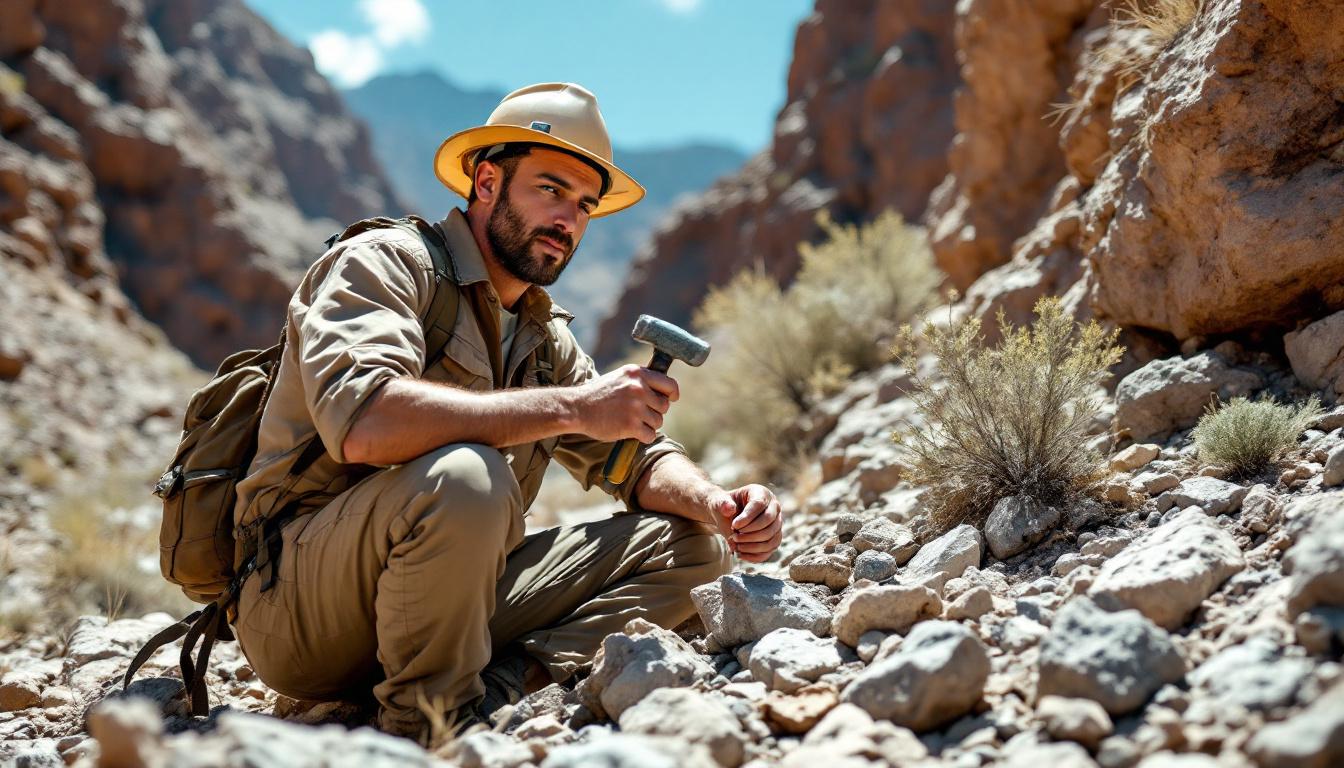
- Students may participate in fieldwork to collect spatial data.
- Research projects or a thesis are common components in the final year.
- Internships or collaborations with organizations may be encouraged but are not always mandatory.
- Full-time study is the norm, with a structured schedule of courses and deadlines.
Careers this degree leads to
Graduates can find work in various sectors where spatial data and mapping are important. The degree opens doors to jobs in both public and private organizations.
- Common roles include GIS analyst, cartographer, and urban planner.
- Environmental agencies and consulting firms often recruit graduates.
- Positions in research institutions or universities are possible for those interested in academic careers.
- The demand for spatial data expertise is growing in sectors like transportation and natural resource management.
- Job entry is generally accessible for graduates with practical skills and relevant experience.



Continuing your studies
After completing this master's degree, students may choose to continue their studies or shift to related fields. Doctoral programs are an option for those interested in research careers.
- Doctorate programs in geography or environmental science are possible continuations.
- Some graduates may pursue additional certifications in GIS technology or data science.
- Switching to fields like urban planning or environmental policy is also an option with further training.
Where to study this degree (167)




















Liste des 167 établissements
- The University of Texas at El PasoEl Paso
- University of DelawareNewark
- Wilmington UniversityNew Castle
- University of Southern CaliforniaLos Angeles
- Pennsylvania State University-World CampusUniversity Park
- University of ArizonaTucson
- Northwest Missouri State UniversityMaryville
- University of Wisconsin–MadisonMadison
- University of Maryland-College ParkCollege Park
- University of PennsylvaniaPhiladelphia
- Arizona State University Campus ImmersionTempe
- California State University, Long BeachLong Beach
- Texas State UniversitySan Marcos
- Clark UniversityWorcester
- Unity CollegeNew Gloucester
- University of RedlandsRedlands
- University of DenverDenver
- University of Massachusetts-AmherstAmherst
- Johns Hopkins UniversityBaltimore
- Marshall UniversityHuntington
- University of Minnesota-Twin CitiesMinneapolis
- Kent State University at KentKent
- Florida State UniversityTallahassee
- George Washington UniversityWashington
- University of West FloridaPensacola
- Northern Arizona UniversityFlagstaff
- George Mason UniversityFairfax
- Sam Houston State UniversityHuntsville
- Western Illinois UniversityMacomb
- University at BuffaloBuffalo
- Salisbury UniversitySalisbury
- Portland State UniversityPortland
- Texas A & M University-College StationCollege Station
- Minnesota State University, MankatoMankato
- University of Colorado BoulderBoulder
- Virginia TechBlacksburg
- University of KentuckyLexington
- Southern Illinois University EdwardsvilleEdwardsville
- University of North TexasDenton
- Michigan Technological UniversityHoughton
- University at AlbanyAlbany
- San Francisco State UniversitySan Francisco
- Idaho State UniversityPocatello
- San Diego State UniversitySan Diego
- University of Nebraska at OmahaOmaha
- University of North AlabamaFlorence
- University of Colorado Denver/Anschutz Medical CampusDenver
- Appalachian State UniversityBoone
- Elmhurst CollegeElmhurst
- Temple UniversityPhiladelphia
- Hunter CollegeNew York
- University of North Carolina at CharlotteCharlotte
- Auburn UniversityAuburn
- Calvin UniversityGrand Rapids
- University of California-Los AngelesLos Angeles
- Binghamton UniversityBinghamton
- Georgia Institute of Technology-Main CampusAtlanta
- Ohio University LancasterAthens
- University of ArkansasFayetteville
- West Chester UniversityWest Chester
- University of WyomingLaramie
- Saint Louis UniversitySt Louis
- University of Missouri-ColumbiaColumbia
- University of GeorgiaAthens
- University of New Mexico-Main CampusAlbuquerque
- University of OregonEugene
- University of Mary WashingtonFredericksburg
- East Carolina UniversityGreenville
- University of Maryland-Baltimore CountyBaltimore
- University of UtahSalt Lake City
- Universidad Politecnica de Puerto RicoHato Rey
- University of South Carolina-ColumbiaColumbia
- Salem State UniversitySalem
- Syracuse UniversitySyracuse
- University of Washington TacomaTacoma
- University of California-Santa BarbaraSanta Barbara
- Central Connecticut State UniversityNew Britain
- The University of Texas at AustinAustin
- Saint Mary's University of MinnesotaWinona
- University of Southern MississippiHattiesburg
- Ohio State University-Main CampusColumbus
- University of Wisconsin-MilwaukeeMilwaukee
- Jacksonville State UniversityJacksonville
- Indiana University of PennsylvaniaIndiana
- Towson UniversityTowson
- West Virginia UniversityMorgantown
- Georgia Southern UniversityStatesboro
- University of Nebraska–LincolnLincoln
- The University of MontanaMissoula
- University of Tennessee at KnoxvilleKnoxville
- Oregon State UniversityCorvallis
- The University of Texas at DallasRichardson
- University of North Carolina at GreensboroGreensboro
- California State University, NorthridgeNorthridge
- University of North Carolina at Chapel HillChapel Hill
- University of South FloridaTampa
- University of AlabamaTuscaloosa
- South Dakota State UniversityBrookings
- Lehman CollegeBronx
- Northern Illinois UniversityDeKalb
- University of FloridaGainesville
- Auburn University at MontgomeryMontgomery
- Western Kentucky UniversityBowling Green
- New Mexico State UniversityLas Cruces
- Chicago State UniversityChicago
- University of North DakotaGrand Forks
- Ball State UniversityMuncie
- Miami University-OxfordOxford
- University of LouisvilleLouisville
- University of Illinois Urbana-ChampaignUrbana
- University of California-DavisDavis
- University of IowaIowa City
- Indiana University BloomingtonBloomington
- California State University, FullertonFullerton
- Eastern Michigan UniversityYpsilanti
- Liberty UniversityLynchburg
- University of IdahoMoscow
- University of Northern IowaCedar Falls
- University of ConnecticutStorrs
- California State University Los AngelesLos Angeles
- Eastern Illinois UniversityCharleston
- University of AkronAkron
- Kansas State UniversityManhattan
- University of MiamiCoral Gables
- Oklahoma State University-Main CampusStillwater
- The University of Texas at San AntonioSan Antonio
- University of Nevada, RenoReno
- San Jose State UniversitySan Jose
- Rutgers University-New BrunswickNew Brunswick
- Central Michigan UniversityMount Pleasant
- University of CincinnatiCincinnati
- Texas Tech UniversityLubbock
- University of Central ArkansasConway
- University of OklahomaNorman
- Indiana State UniversityTerre Haute
- University of Colorado Colorado SpringsColorado Springs
- Tennessee State UniversityNashville
- Delta State UniversityCleveland
- Western Washington UniversityBellingham
- Western Oregon UniversityMonmouth
- Florida Atlantic UniversityBoca Raton
- University of KansasLawrence
- Northeastern State UniversityTahlequah
- Western Michigan UniversityKalamazoo
- Louisiana State University and Agricultural & Mechanical CollegeBaton Rouge
- University of ToledoToledo
- Pennsylvania State University-Main CampusUniversity Park
- Arizona State University Digital ImmersionScottsdale
- Purdue University West LafayetteWest Lafayette
- Utah State UniversityLogan
- California State University, ChicoChico
- St. Cloud State UniversitySaint Cloud
- Georgia State UniversityAtlanta
- University of Washington-Seattle CampusSeattle
- University of California-BerkeleyBerkeley
- Indiana University-IndianapolisIndianapolis
- Christian Brothers UniversityMemphis
- Southern Illinois University CarbondaleCarbondale
- California State University, East BayHayward
- University of Illinois ChicagoChicago
- Oregon State University CascadesBend
- University of Pittsburgh-Pittsburgh CampusPittsburgh
- Boston UniversityBoston
- Brigham Young UniversityProvo
- University of Hawaiʻi at MānoaHonolulu
- Brandman UniversityIrvine
- Michigan State UniversityEast Lansing
Frequently asked questions
What is the typical duration of this master's degree?
The program usually lasts between one and two years depending on the university and whether the student studies full-time or part-time.
Do I need prior experience with GIS to apply?
While prior knowledge of GIS can be helpful, it is not always mandatory. Some programs offer introductory courses to build these skills.
Can I work while studying this degree?
Most students study full-time, but part-time options may be available. Alternance or work-study programs are generally not common for this degree.
What kinds of projects will I work on during the program?
Students typically engage in practical projects involving spatial data analysis, map creation, and sometimes field data collection.
Is this degree suitable for students without a geography background?
Admission usually requires a bachelor's degree in geography or a related field, so students without this background may need to complete prerequisite courses.
What career opportunities are available after graduation?
Graduates can work as GIS analysts, cartographers, urban planners, or environmental consultants in various public and private sectors.
Can I continue to a PhD after this master's degree?
Yes, many graduates choose to pursue doctoral studies in geography or related fields to focus on research.
Are internships part of the curriculum?
Internships may be encouraged or optional depending on the program, providing valuable practical experience.