Master's Degree in Cultural Studies/Critical Theory and Analysis
This master's degree explores cultural theories and critical analysis, preparing students for careers in academia, media, and cultural institutions.
About
The Master's Degree in Cultural Studies/Critical Theory and Analysis is a graduate program designed for students interested in understanding culture, society, and critical thinking. It is aimed at those who want to deepen their knowledge of how cultural phenomena shape human experience and social structures. This degree suits individuals who enjoy reading, discussing complex ideas, and analyzing texts and media.
- The program typically lasts one to two years and is completed after a bachelor's degree.
- It provides tools to critically examine cultural products like literature, film, art, and social practices.
- Students develop skills in research, argumentation, and theoretical analysis.
- Graduates can pursue careers in education, cultural organizations, publishing, or media.
- The program encourages a broad understanding of cultural diversity and social issues.
What you study
The curriculum covers a variety of subjects focused on cultural theory and critical analysis, progressing from foundational concepts to advanced topics. It combines lectures, seminars, and research projects.
- Early courses introduce key theories from scholars in cultural studies and critical theory.
- Students study philosophy, sociology, and literature to understand cultural contexts.
- Later stages involve specialized seminars on topics like media analysis, identity, and power structures.
- Research methods and critical writing are emphasized throughout the program.
- Practical work may include case studies, presentations, and collaborative projects.
- Students often complete a master’s thesis or major research paper in their final year.
How to get in
Admission to this master's program in the US requires a completed bachelor's degree, usually in humanities or social sciences. The process is competitive and involves several steps.
- Applicants must submit academic transcripts showing strong performance in relevant subjects.
- A statement of purpose explaining interest in cultural studies and career goals is usually required.
- Letters of recommendation from professors or professionals familiar with the applicant’s work are important.
- Some programs may require GRE scores or writing samples.
- Students with diverse academic backgrounds but a clear motivation for cultural analysis can be considered.
- Admission committees look for critical thinking skills and the ability to engage with complex ideas.
Day to day
The academic year involves a mix of classes, seminars, and independent research. Students balance coursework with writing and discussions.
- Weekly schedules often include lectures and seminars where students actively participate.
- Group projects and presentations help develop communication skills.
- Students dedicate significant time to reading and analyzing texts.
- Many programs encourage or require internships in cultural institutions or media organizations.
- Research and thesis work become central in the second year if the program lasts two years.
- Alternance (work-study) is generally not common for this degree.
Careers this degree leads to
Graduates find opportunities in various sectors that value critical thinking and cultural knowledge. The job market can be competitive, but the skills gained are versatile.
- Possible careers include cultural analyst, museum curator, and media researcher.
- Jobs in publishing, education, and nonprofit organizations are common.
- Some graduates work in communications and public relations roles.
- The degree supports roles that require strong writing and analytical abilities.
- Employment often involves project-based work and collaboration with diverse teams.
- Insertion into the workforce is generally facilitated by internships and networking during the program.




Continuing your studies
After completing this master's, students may continue with doctoral studies or explore other postgraduate options. The degree also allows for professional reorientation.
- Many graduates consider pursuing a PhD in cultural studies or related fields for academic careers.
- Some choose to specialize further in areas like media studies or critical theory.
- Others may transition into professional training in museum studies or arts management.
- The program’s skills also support moving into fields like journalism or public policy.
Where to study this degree (62)







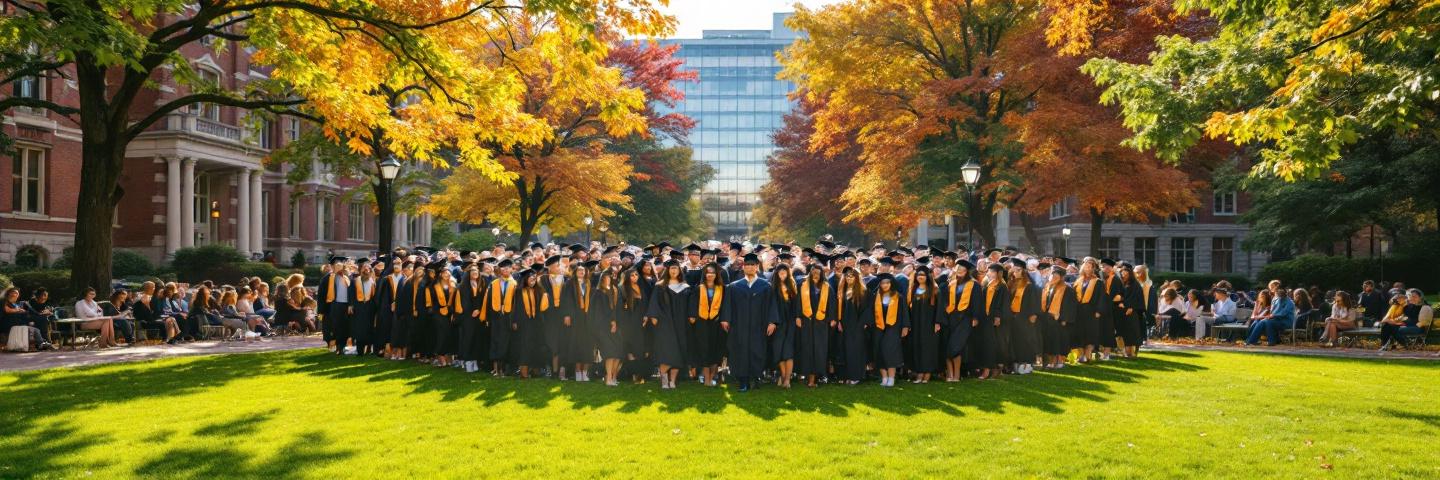



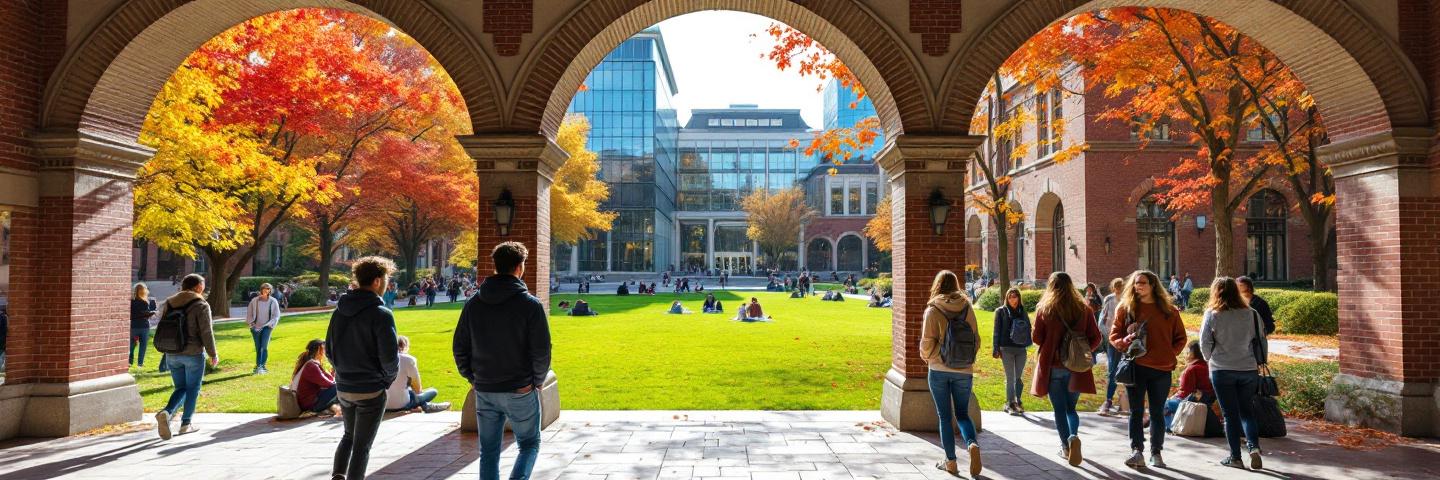
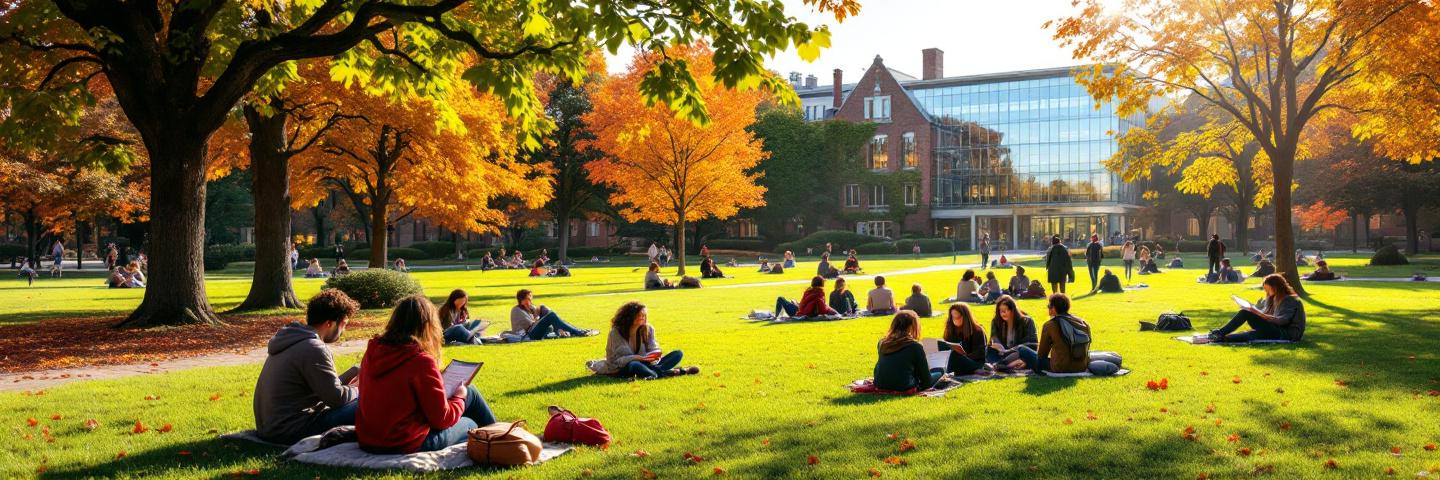
Liste des 62 établissements
- University of TampaTampa
- University of ConnecticutStorrs
- Bard CollegeAnnandale-On-Hudson
- Willamette UniversitySalem
- Villanova UniversityVillanova
- Empire State UniversitySaratoga Springs
- Harvard UniversityCambridge
- College of Micronesia-FSMPohnpei
- Occidental CollegeLos Angeles
- Northern Arizona UniversityFlagstaff
- Tufts UniversityMedford
- CUNY Graduate School and University CenterNew York
- Northwestern UniversityEvanston
- American Public University SystemCharles Town
- University of Washington BothellBothell
- Florida Atlantic UniversityBoca Raton
- California Institute of the ArtsValencia
- California Institute of Integral StudiesSan Francisco
- Pacific Northwest College of ArtPortland
- Universidad Ana G. Mendez-Gurabo CampusGurabo
- Mount Holyoke CollegeSouth Hadley
- Rhode Island School of DesignProvidence
- Western Kentucky UniversityBowling Green
- Pratt Institute-MainBrooklyn
- University of California-IrvineIrvine
- University of Pittsburgh-Pittsburgh CampusPittsburgh
- University of North DakotaGrand Forks
- University of MiamiCoral Gables
- Arizona State University Campus ImmersionTempe
- Bryant UniversitySmithfield
- Trinity CollegeHartford
- Liberty UniversityLynchburg
- Texas A&M University – KingsvilleKingsville
- Samford UniversityBirmingham
- Union UniversityJackson
- George Mason UniversityFairfax
- University of ArizonaTucson
- Ithaca CollegeIthaca
- University of St. Thomas - MinnesotaSaint Paul
- Roger Williams UniversityBristol
- University of Massachusetts-AmherstAmherst
- Purdue University West LafayetteWest Lafayette
- Bennington CollegeBennington
- Boston Graduate School of PsychoanalysisBrookline
- Universidad del Sagrado CorazonSanturce
- Brigham Young University–HawaiiLaie
- Bemidji State UniversityBemidji
- Northwest Nazarene UniversityNampa
- Augsburg UniversityMinneapolis
- University of VermontBurlington
- Excelsior CollegeAlbany
- Luther CollegeDecorah
- Chatham UniversityPittsburgh
- Maryland Institute College of ArtBaltimore
- University of MaineOrono
- Bard College at Simon's RockGreat Barrington
- Trinity International UniversityDeerfield
- Moore College of Art and DesignPhiladelphia
- Hampshire CollegeAmherst
- Howard Payne UniversityBrownwood
- Swarthmore CollegeSwarthmore
- Union Institute & UniversityCincinnati
Frequently asked questions
What background is needed to apply for this master's degree?
Applicants usually have a bachelor's degree in humanities or social sciences. A strong interest in culture and critical thinking is important.
Is this degree more theoretical or practical?
The program is mostly theoretical but includes practical elements like research projects and sometimes internships.
Can I work while studying this master's?
The workload is significant, so working full-time is challenging. Part-time work or internships related to the field may be possible.
Does this degree lead directly to a job?
Graduates have skills useful in various sectors, but job searching can be competitive. Internships and networking help with employment.
Are there opportunities to specialize within the program?
Yes, students can focus on areas like media studies, identity, or specific cultural theories through elective courses and thesis topics.
Is a thesis required to complete the degree?
Most programs require a master’s thesis or a major research project to demonstrate critical analysis and research skills.
Can I pursue doctoral studies after this master's?
Yes, many graduates continue with a PhD in cultural studies or related disciplines if they want an academic career.
Is alternance (work-study) available for this degree?
Alternance is generally not offered for this type of master's degree in the US.
