
Master's Degree in Chemistry
A Master's Degree in Chemistry deepens knowledge in chemical sciences, preparing students for research, industry roles, or further academic study in the United States.
About
This Master's Degree in Chemistry is designed for students who have completed an undergraduate degree in chemistry or a related field and want to advance their expertise. It focuses on deepening theoretical knowledge and practical skills in chemistry, preparing graduates for specialized roles in research, industry, or academia. The program suits those interested in developing a strong scientific foundation and problem-solving abilities in chemical sciences.
- The degree typically lasts one to two years and is awarded by universities across the United States.
- It addresses students aiming to work in chemical research, pharmaceuticals, environmental science, or materials development.
- Graduates can pursue careers as research scientists, laboratory managers, or continue toward a doctoral degree.
- The program emphasizes both advanced theory and practical laboratory skills.
- It prepares students for roles requiring critical thinking and technical expertise in chemistry.
What you study
The program covers a wide range of chemistry topics, combining lectures, laboratory work, and research projects. Students build on foundational knowledge acquired during their bachelor's degree and explore advanced areas.
- Core courses often include organic chemistry, inorganic chemistry, physical chemistry, and analytical techniques.
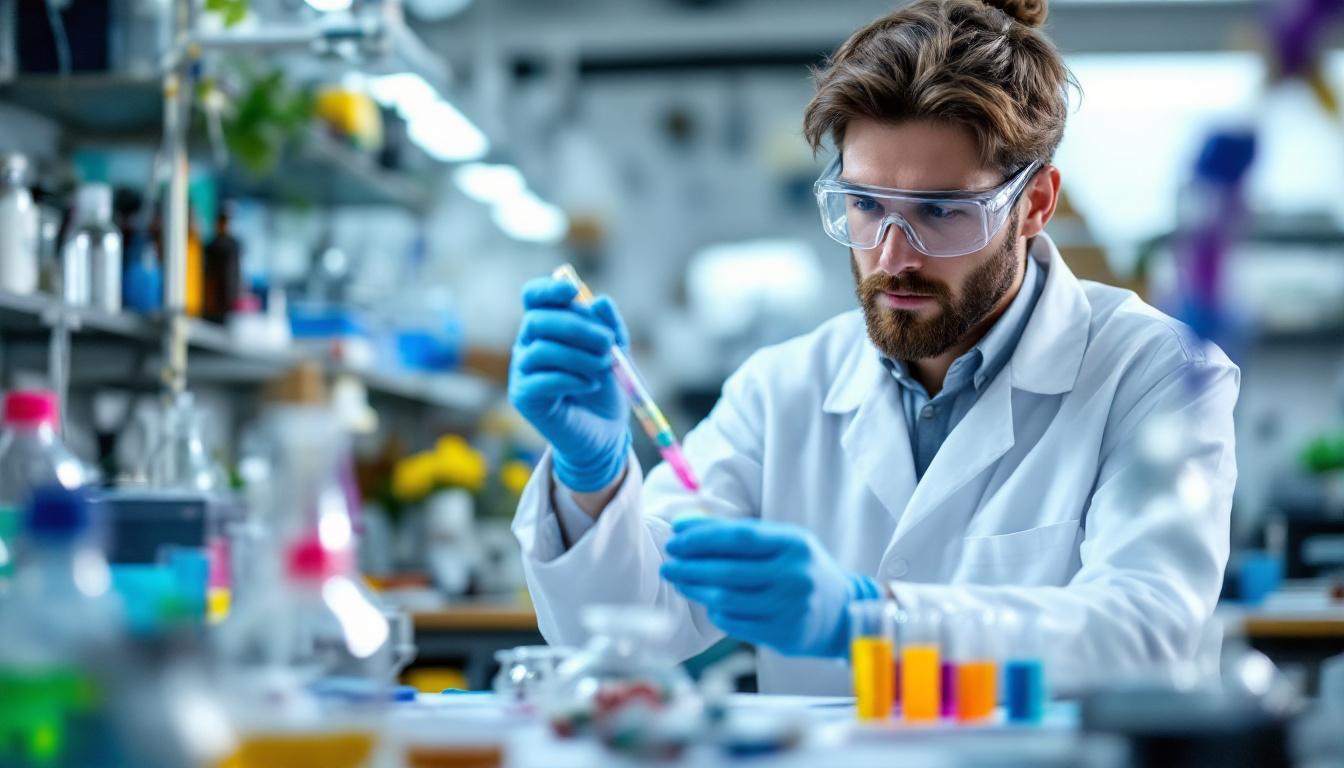
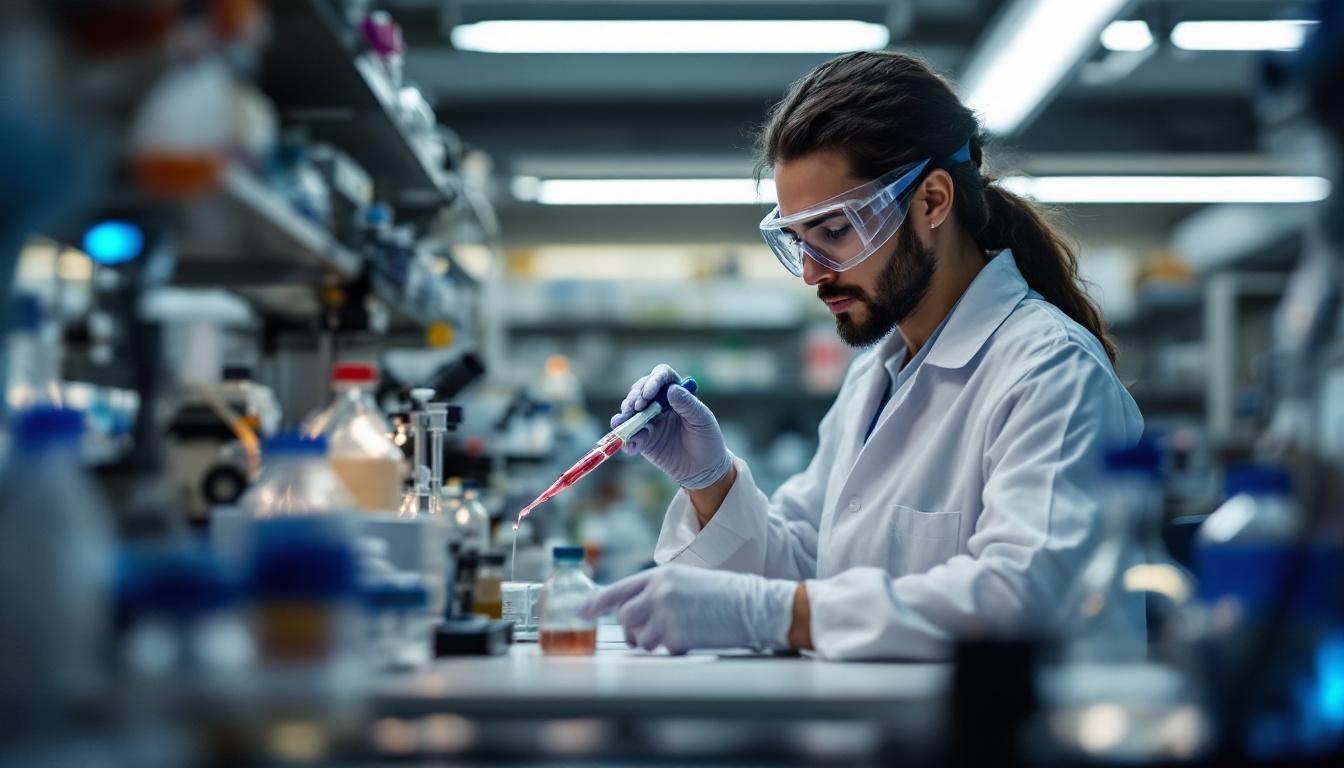
- Students engage in laboratory experiments to apply theoretical concepts and develop technical skills.
- The curriculum usually progresses from broad chemical principles to specialized topics like biochemistry or materials chemistry.
- Research projects or a thesis are often required, allowing students to work closely with faculty on current scientific questions.
- Some programs offer elective courses to tailor studies toward specific interests such as environmental chemistry or pharmaceutical chemistry.
- Practical work and research form a significant part of the degree, helping students prepare for professional roles.
How to get in
Admission to a Master's Degree in Chemistry in the US requires a relevant undergraduate degree and a formal application process. The selection looks for candidates with strong academic records and motivation for advanced study.
- Applicants must hold a bachelor's degree in chemistry or a closely related field.
- Universities typically require submission of transcripts, letters of recommendation, and a statement of purpose.
- Some programs may ask for GRE scores or proof of English proficiency for international students.
- Admissions committees look for students with a solid background in core chemistry subjects and research experience when possible.
- The process involves evaluation of academic achievements and potential for success in graduate-level coursework.
Day to day
The daily life of a Master's student in Chemistry involves a mix of classes, laboratory work, and research activities. The workload is demanding but offers opportunities to deepen scientific understanding.
- Students attend lectures and seminars covering advanced chemical concepts several times a week.
- Laboratory sessions require hands-on work with chemicals and instruments, developing practical skills.
- Research or thesis work often involves designing experiments and analyzing data under faculty supervision.
- Some programs may include internships or collaborations with industry to gain real-world experience.
- The schedule balances coursework, lab time, and independent study, requiring good time management.
Careers this degree leads to
Graduates with a Master's Degree in Chemistry can find opportunities in various sectors that use chemical expertise. The degree opens doors to both industry and research roles.
- Common career paths include laboratory researcher, quality control analyst, and chemical technician.
- Sectors hiring chemistry graduates include pharmaceuticals, environmental agencies, and manufacturing industries.
- The degree is valued for roles involving chemical analysis, product development, and regulatory compliance.
- Graduates may also work in academic or government research institutions.
- Employment prospects are generally positive, especially for those with research experience or specialized skills.




Continuing your studies
After completing a Master's Degree in Chemistry, students can continue their studies or shift toward other scientific fields. The degree provides a foundation for further specialization.
- Many graduates pursue a PhD in Chemistry to engage in in-depth research and academic careers.
- Others may explore related fields such as chemical engineering or pharmacology.
- Some choose to enter professional programs in areas like patent law or science communication.
Where to study this degree (200)




















Liste des 200 établissements
- University of Detroit MercyDetroit
- Smith CollegeNorthampton
- University of Wisconsin–MadisonMadison
- New York UniversityNew York
- Ohio University LancasterAthens
- University of California-Los AngelesLos Angeles
- University of California-San DiegoLa Jolla
- University of Michigan-Ann ArborAnn Arbor
- University of PennsylvaniaPhiladelphia
- University of ChicagoChicago
- Yale UniversityNew Haven
- Cornell UniversityIthaca
- University of RochesterRochester
- University of Minnesota-Twin CitiesMinneapolis
- University of OregonEugene
- Florida State UniversityTallahassee
- Harvard UniversityCambridge
- Georgia State UniversityAtlanta
- Princeton UniversityPrinceton
- Rice UniversityHouston
- University of Virginia-Main CampusCharlottesville
- Bowling Green State UniversityBowling Green
- Johns Hopkins UniversityBaltimore
- Florida International UniversityMiami
- University of North Carolina WilmingtonWilmington
- Colorado State University-Fort CollinsFort Collins
- University of Washington-Seattle CampusSeattle
- California Polytechnic State UniversitySan Luis Obispo
- Columbia UniversityNew York
- Western Illinois UniversityMacomb
- University of DelawareNewark
- University of New HavenWest Haven
- Tufts UniversityMedford
- Illinois Institute of TechnologyChicago
- University of North Carolina at Chapel HillChapel Hill
- University of KentuckyLexington
- Emory UniversityAtlanta
- University of California, RiversideRiverside
- Stony Brook UniversityStony Brook
- CUNY Graduate School and University CenterNew York
- Indiana University BloomingtonBloomington
- University of AkronAkron
- Texas A & M University-College StationCollege Station
- Western Washington UniversityBellingham
- Georgetown UniversityWashington
- Southern Illinois University EdwardsvilleEdwardsville
- Wayne State UniversityDetroit
- University of IowaIowa City
- Villanova UniversityVillanova
- Loyola University ChicagoChicago
- Northwestern UniversityEvanston
- The University of Texas Rio Grande ValleyEdinburg
- University of Colorado Denver/Anschutz Medical CampusDenver
- The University of Texas at ArlingtonArlington
- Purdue University West LafayetteWest Lafayette
- University of Minnesota, DuluthDuluth
- University of Massachusetts DartmouthNorth Dartmouth
- East Carolina UniversityGreenville
- University of California-Santa BarbaraSanta Barbara
- McNeese State UniversityLake Charles
- Pittsburg State UniversityPittsburg
- University of Illinois ChicagoChicago
- Lewis UniversityRomeoville
- University of Saint JosephWest Hartford
- San Francisco State UniversitySan Francisco
- Northeastern UniversityBoston
- Miami University-OxfordOxford
- Texas A&M University – Corpus ChristiCorpus Christi
- University of Illinois Urbana-ChampaignUrbana
- University of Missouri–St. LouisSaint Louis
- University of OklahomaNorman
- Oakland UniversityRochester Hills
- California State University, Long BeachLong Beach
- South Dakota State UniversityBrookings
- Illinois State UniversityNormal
- DePaul UniversityChicago
- Michigan State UniversityEast Lansing
- Temple UniversityPhiladelphia
- University of ArizonaTucson
- University of Central FloridaOrlando
- University of California-IrvineIrvine
- Stevens Institute of TechnologyHoboken
- Ohio State University-Main CampusColumbus
- California State Polytechnic UniversityPomona
- California State University Los AngelesLos Angeles
- Ball State UniversityMuncie
- California Institute of TechnologyPasadena
- Rutgers University-CamdenCamden
- Thomas Jefferson UniversityPhiladelphia
- Youngstown State UniversityYoungstown
- California State University, East BayHayward
- University of FloridaGainesville
- Tennessee Technological UniversityCookeville
- University of Massachusetts-AmherstAmherst
- University of ConnecticutStorrs
- University of AlabamaTuscaloosa
- University at AlbanyAlbany
- Lamar UniversityBeaumont
- Georgia Institute of Technology-Main CampusAtlanta
- Oregon State UniversityCorvallis
- University of North Carolina at GreensboroGreensboro
- Washington State UniversityPullman
- College of St. ScholasticaDuluth
- George Mason UniversityFairfax
- Kennesaw State UniversityKennesaw
- California State University, FullertonFullerton
- University of California, MercedMerced
- Rutgers University-New BrunswickNew Brunswick
- Boston UniversityBoston
- University of Pittsburgh-Pittsburgh CampusPittsburgh
- The University of Texas at San AntonioSan Antonio
- University of MemphisMemphis
- University of HoustonHouston
- The University of Texas at DallasRichardson
- Kent State University at KentKent
- William & MaryWilliamsburg
- Wesleyan UniversityMiddletown
- Eastern Michigan UniversityYpsilanti
- Prairie View A&M UniversityPrairie View
- Virginia TechBlacksburg
- California State University, NorthridgeNorthridge
- Duquesne UniversityPittsburgh
- Montclair State UniversityMontclair
- Missouri State UniversitySpringfield
- University of Wisconsin-MilwaukeeMilwaukee
- Northern Illinois UniversityDeKalb
- Boise State UniversityBoise
- The University of Texas at AustinAustin
- Clemson UniversityClemson
- University of Massachusetts LowellLowell
- University of California-DavisDavis
- George Washington UniversityWashington
- Drexel UniversityPhiladelphia
- Baylor UniversityWaco
- University of UtahSalt Lake City
- Furman UniversityGreenville
- Western Michigan UniversityKalamazoo
- Southern Connecticut State UniversityNew Haven
- University of ScrantonScranton
- University of Alabama at BirminghamBirmingham
- Rochester Institute of TechnologyRochester
- Saint Louis UniversitySt Louis
- Binghamton UniversityBinghamton
- Sacred Heart UniversityFairfield
- University of ToledoToledo
- Case Western Reserve UniversityCleveland
- University of Missouri-ColumbiaColumbia
- Worcester Polytechnic InstituteWorcester
- North Carolina Agricultural and Technical State UniversityGreensboro
- University of Colorado BoulderBoulder
- University of DenverDenver
- Brown UniversityProvidence
- Colorado School of MinesGolden
- University of GeorgiaAthens
- East Tennessee State UniversityJohnson City
- University of Notre DameNotre Dame
- University of South Carolina-ColumbiaColumbia
- University of North Carolina at CharlotteCharlotte
- Wichita State UniversityWichita
- University of South FloridaTampa
- University of DaytonDayton
- Florida Atlantic UniversityBoca Raton
- California State University, FresnoFresno
- University of Missouri-Kansas CityKansas City
- University of California-Santa CruzSanta Cruz
- New Jersey Institute of TechnologyNewark
- Northeastern Illinois UniversityChicago
- Washington University in St LouisSaint Louis
- University of New HampshireDurham
- University at BuffaloBuffalo
- University of New OrleansNew Orleans
- Indiana University NorthwestGary
- Middle Tennessee State UniversityMurfreesboro
- San Diego State UniversitySan Diego
- University of Puerto Rico-MayaguezMayaguez
- University of San FranciscoSan Francisco
- University of LouisvilleLouisville
- University of New Mexico-Main CampusAlbuquerque
- University of Louisiana at LafayetteLafayette
- Michigan Technological UniversityHoughton
- Carnegie Mellon UniversityPittsburgh
- South Dakota School of Mines and TechnologyRapid City
- Syracuse UniversitySyracuse
- University of KansasLawrence
- University of Maryland-Baltimore CountyBaltimore
- University of Alaska FairbanksFairbanks
- Tennessee State UniversityNashville
- Arizona State University Campus ImmersionTempe
- Cleveland State UniversityCleveland
- Sam Houston State UniversityHuntsville
- Western Carolina UniversityCullowhee
- City College of New YorkNew York
- The University of Texas at TylerTyler
- Fairleigh Dickinson University-Florham CampusMadison
- Virginia Commonwealth UniversityRichmond
- North Carolina State UniversityRaleigh
- San Jose State UniversitySan Jose
- Old Dominion UniversityNorfolk
- Howard UniversityWashington
- University of Hawaiʻi at MānoaHonolulu
Frequently asked questions
What prior education is needed to apply for this Master's degree?
You need to have completed a bachelor's degree in chemistry or a related field. Admissions committees expect a solid foundation in core chemistry subjects.
How long does the program typically last?
The Master's Degree in Chemistry usually takes one to two years to complete, depending on the university and whether you study full-time.
Are there practical components in the program?
Yes, the program includes laboratory work and research projects that allow you to apply theoretical knowledge and develop hands-on skills.
Can I work in industry after this degree?
Graduates can find jobs in various sectors such as pharmaceuticals, environmental agencies, and manufacturing, often in roles involving research or quality control.
Is it possible to continue studying after this Master's degree?
Many students choose to pursue a PhD to specialize further, but others may explore related fields or professional programs depending on their interests.
Is the program selective?
Admission is selective and based on academic records, relevant background, and sometimes standardized test scores or research experience.
Are internships or work placements included?
Some programs offer internships or collaborations with industry, but this varies by university and is not always mandatory.
Is it possible to study part-time or via alternance?
Alternance or part-time study options are generally not common for this degree in the US, with most students enrolled full-time.