
Master's Degree in Audiovisual Communications Technologies/Technicians
This master's degree trains students in advanced audiovisual communication technologies, preparing them for technical and creative roles in media and entertainment industries.
About
The Master's Degree in Audiovisual Communications Technologies/Technicians is a graduate program in the United States designed for students who want to deepen their knowledge of audiovisual systems and media production technologies. It is aimed at those who have completed a bachelor's degree and wish to specialize in the technical aspects of audiovisual communication. This degree prepares graduates for technical positions in fields such as film, television, digital media, and broadcasting.
- The program focuses on mastering advanced audiovisual technologies and communication systems.
- It is intended for students with a background in media, engineering, or related fields.
- Graduates can work as technicians or specialists in audiovisual production and media technology companies.
- The degree offers skills applicable to various media platforms, including digital and traditional media.
- It supports career development in both technical and creative roles within the audiovisual sector.
What you study
The curriculum covers a broad range of topics related to audiovisual communication technologies, with a balance between theoretical knowledge and practical application. Students typically study over one to two years, depending on the program.
- Courses include digital media production, audio and video signal processing, and broadcasting technologies.
- Students learn about networking for media and multimedia systems to understand how audiovisual content is transmitted and managed.
- The program often involves hands-on labs and project work to develop technical skills.
- Advanced topics might include virtual reality and interactive media technologies.
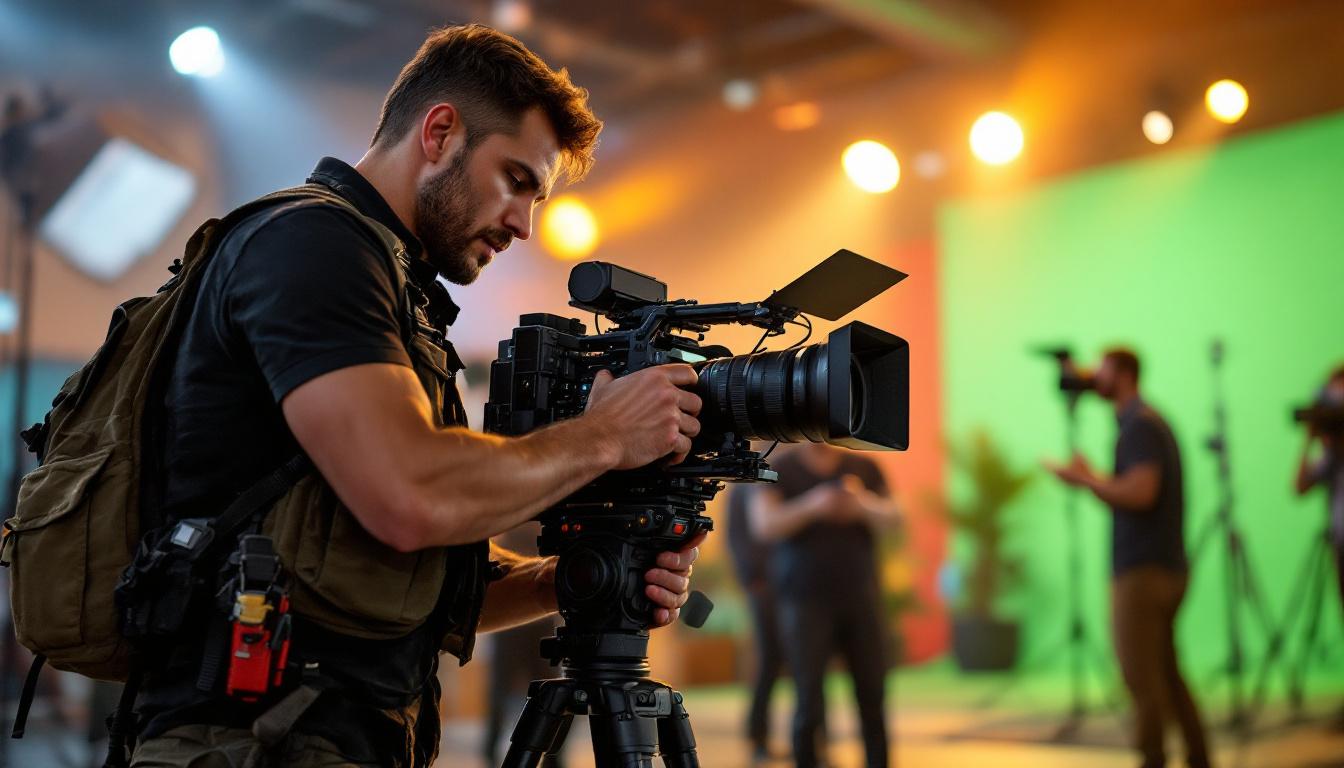
- Practical experience is emphasized through team projects and use of professional equipment.
- The curriculum is designed to build expertise progressively, starting from foundational concepts to specialized technologies.
How to get in
Admission to this master's degree in the US requires a bachelor's degree, usually in a related field such as media studies, engineering, or computer science. The process involves submitting academic transcripts, letters of recommendation, and often a statement of purpose.
- Applicants must have completed a bachelor's degree from an accredited institution.
- Some programs may require relevant coursework or experience in audiovisual or technical fields.
- Admissions committees look for candidates with a clear interest in audiovisual technologies and communication.
- Standardized tests like the GRE might be requested by some universities.
- English proficiency tests such as the TOEFL or IELTS are required for international students.
Day to day
The academic year typically combines lectures, laboratory sessions, and project work. Students engage in practical assignments that simulate real-world audiovisual production environments.
- The workload includes regular classes and hands-on labs using industry-standard equipment.
- Many programs encourage or require internships in media companies to gain professional experience.
- Students often collaborate on group projects to design and implement audiovisual systems.
- The schedule may include seminars and workshops led by industry professionals.
- While some universities offer part-time or evening courses, full-time study is common.
Careers this degree leads to
Graduates typically find employment in technical roles within the audiovisual and media industries. The demand for skilled technicians in media production remains steady, with opportunities in various sectors.
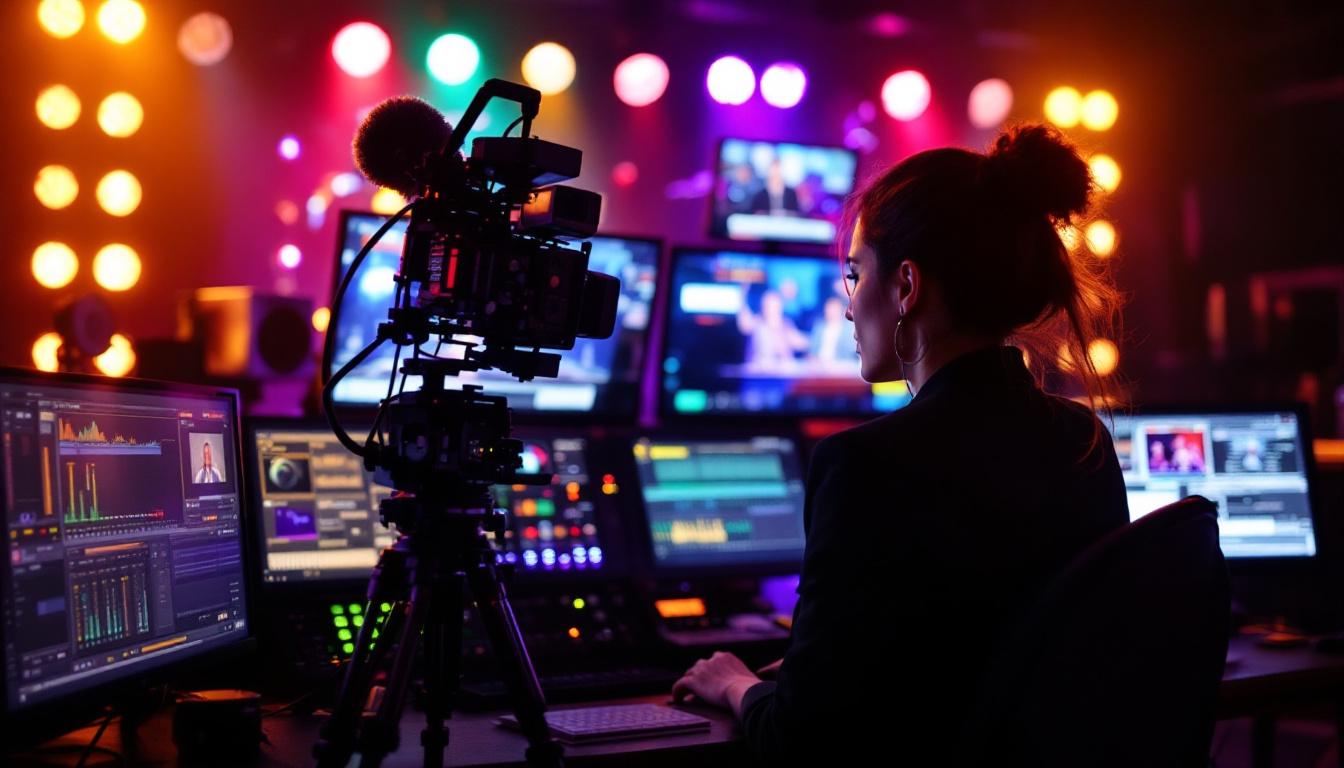
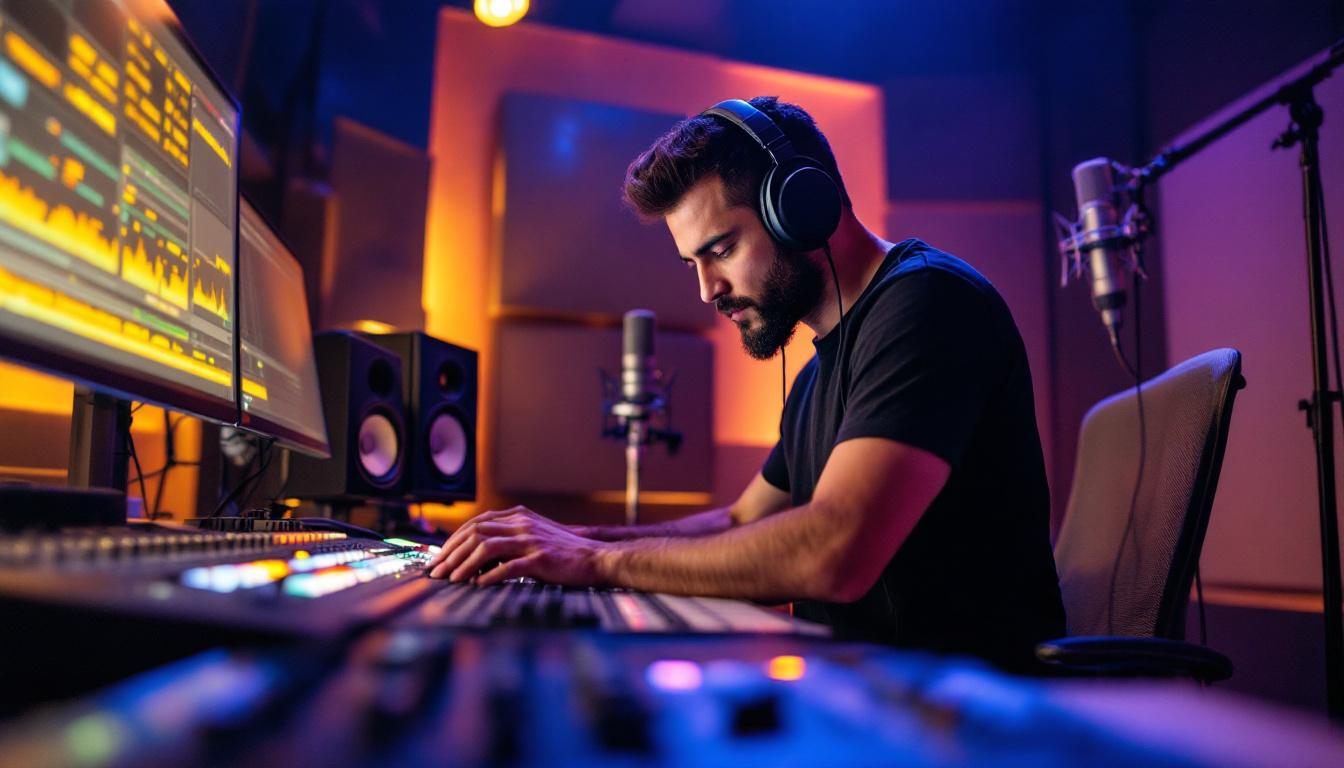
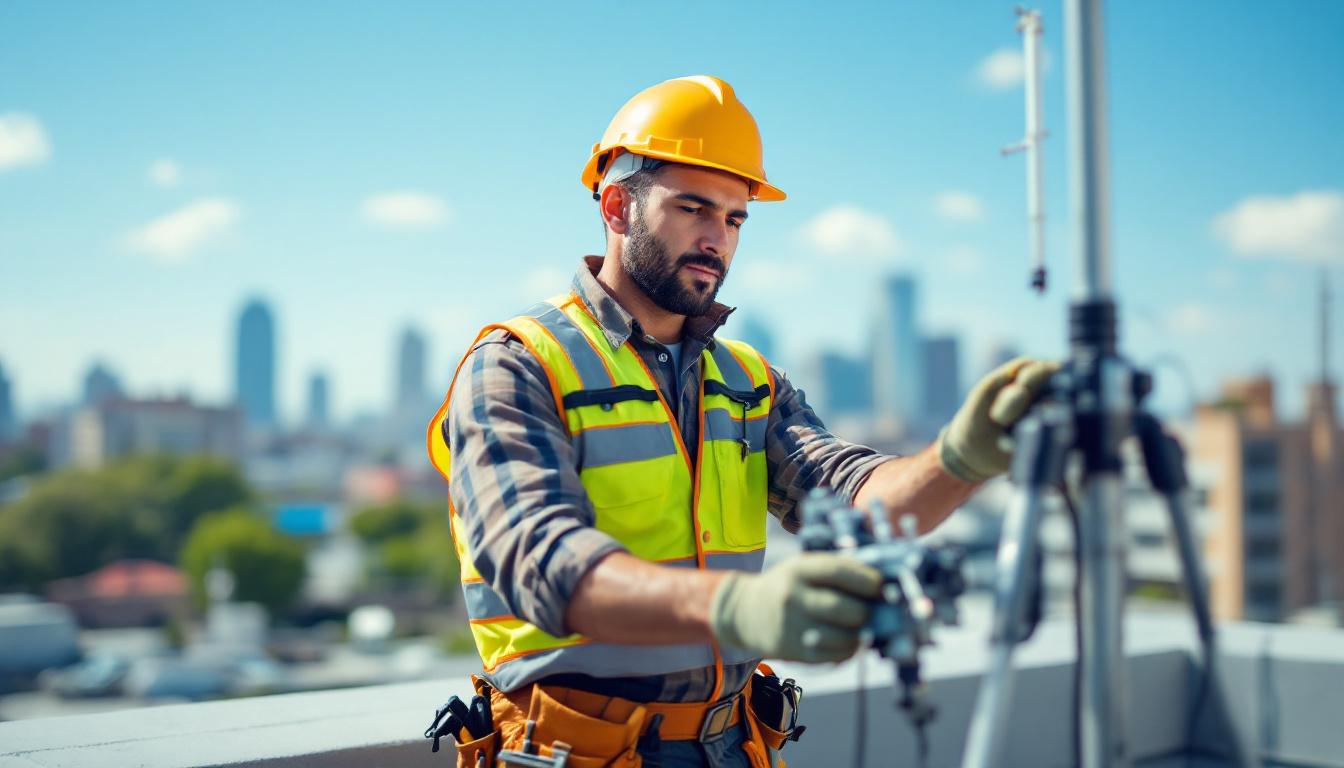
- Possible jobs include broadcast technician, video editor, and sound engineer.
- Employment sectors include television and film production, radio broadcasting, and digital media companies.
- The insertion into the workforce is generally smooth for those with practical experience.
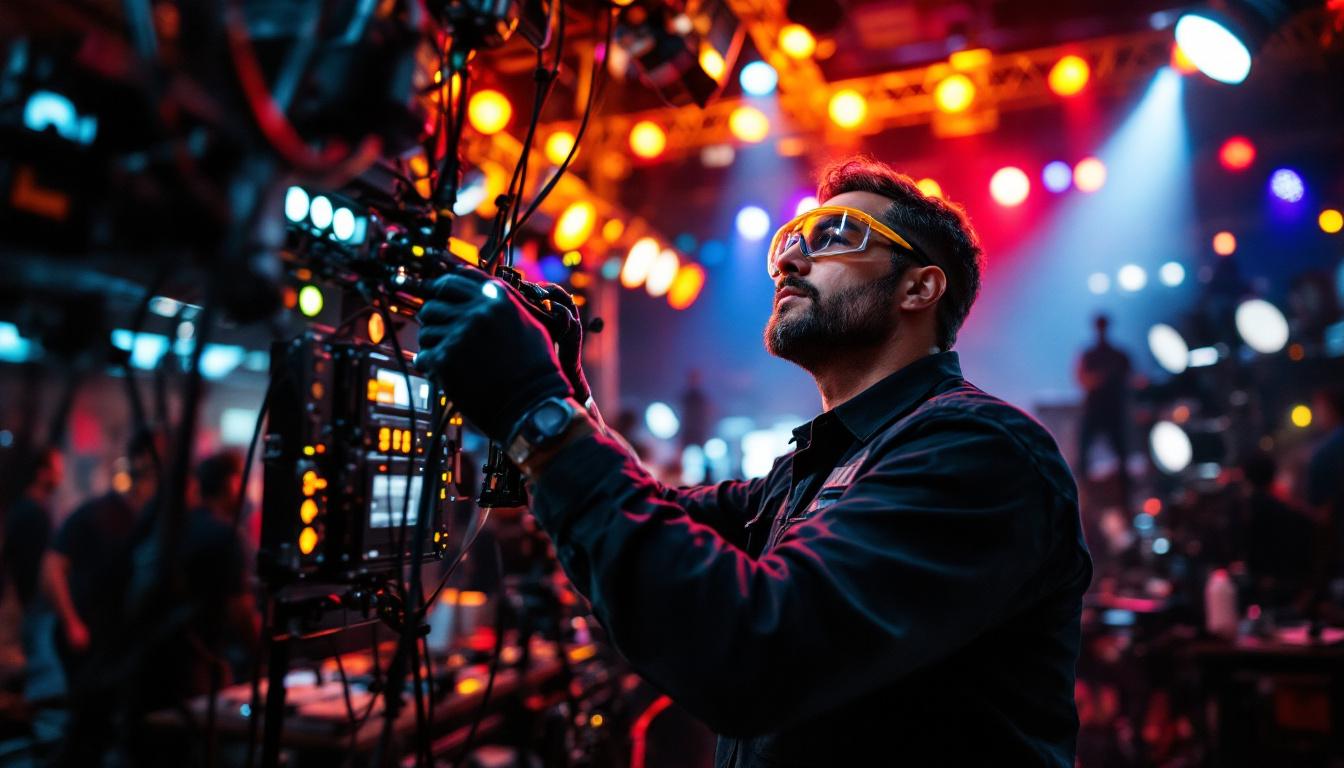
- Some graduates work in live event production or post-production studios.
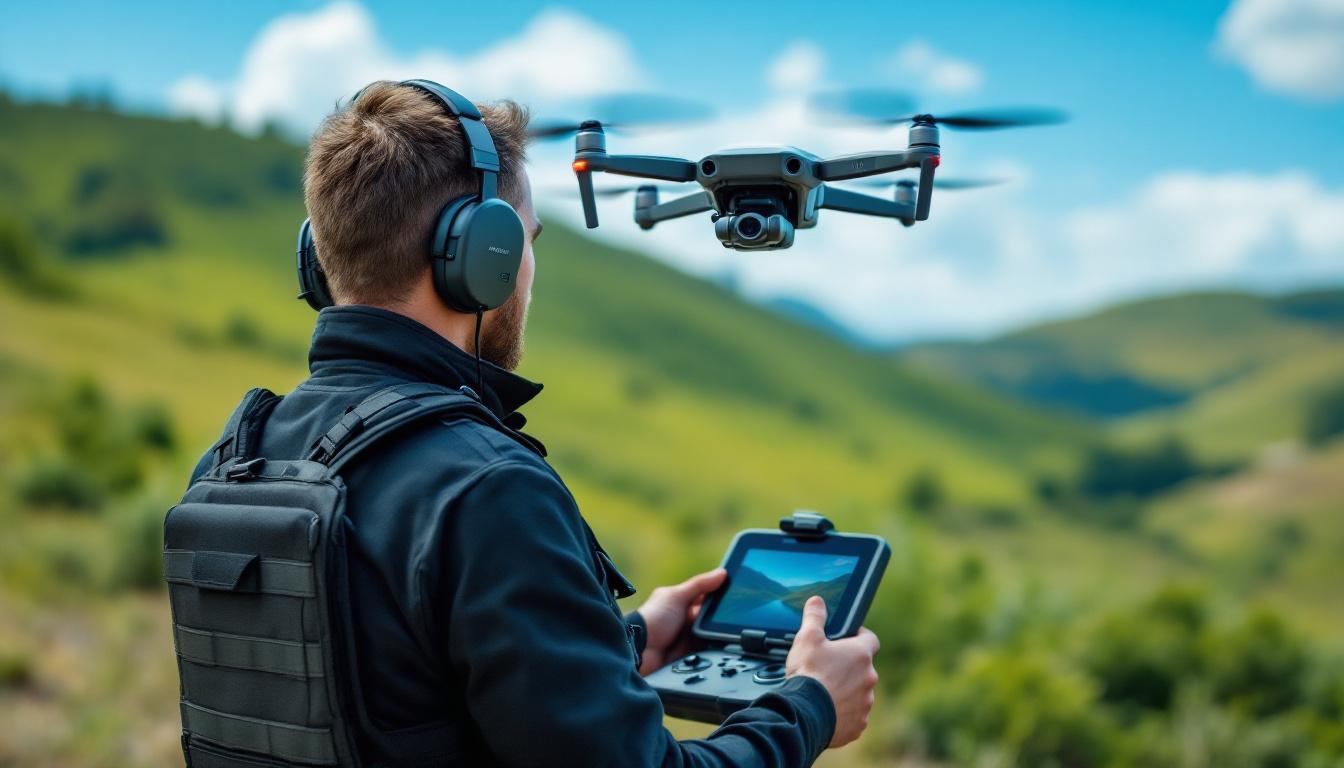
- Technical expertise in audiovisual systems is valued across many media platforms.
Continuing your studies
After completing this master's degree, students may pursue further specialization or research opportunities. Some choose to continue with doctoral studies or professional certifications.
- Doctoral programs in media technology or communications engineering are possible paths.
- Professional certifications in broadcast technology or media production can enhance career prospects.
- Some graduates may shift towards management roles or creative direction in media companies.
Where to study this degree (8)






Liste des 8 établissements
- Savannah College of Art and DesignSavannah
- American UniversityWashington
- Belmont UniversityNashville
- Academy of Art UniversitySan Francisco
- Johns Hopkins UniversityBaltimore
- Middle Tennessee State UniversityMurfreesboro
- Long Island UniversityBrookville
- New York Institute of TechnologyOld Westbury
Frequently asked questions
What background is recommended before applying to this master's degree?
A bachelor's degree in media studies, engineering, computer science, or a related field is recommended. Some experience with audiovisual technologies or media production can be helpful.
Is practical experience part of the program?
Yes, the program includes hands-on labs and project work that allow students to practice using professional audiovisual equipment and software.
Can international students apply to this program?
Yes, international students can apply but must demonstrate English proficiency through tests like TOEFL or IELTS and meet admission requirements.
Are internships mandatory during the degree?
Many programs encourage or require internships to provide real-world experience, though specific requirements vary by university.
What kind of jobs can I get after graduation?
Graduates can work as broadcast technicians, video editors, sound engineers, or media systems specialists in various audiovisual and media sectors.
Is this degree suitable for someone interested in creative roles?
While the degree focuses on technical skills, it supports roles that combine technical expertise with creative media production.
How long does the program usually last?
The master's degree typically lasts between one and two years, depending on the institution and study format.
Can I continue my studies after this master's degree?
Yes, graduates can pursue doctoral studies or professional certifications to specialize further or move into research and management.