Certificate in Rehabilitation and Therapeutic Professions
This certificate trains students in rehabilitation and therapeutic skills, preparing them for support roles in healthcare and social services within under two years.
About
The Certificate in Rehabilitation and Therapeutic Professions is a postsecondary program in the United States designed for students interested in supporting individuals with physical, mental, or developmental challenges. It is aimed at those who want to work in healthcare or social service settings but do not yet hold advanced degrees. The program provides foundational knowledge and practical skills to assist licensed therapists and rehabilitation professionals. Graduates can pursue entry-level roles in rehabilitation centers, hospitals, or community organizations helping people improve their quality of life.
- This certificate typically takes under two years to complete after high school.
- It is suitable for students seeking a practical, career-focused education without committing to a full degree.
- The diploma prepares learners for roles such as therapy assistants or rehabilitation aides.
- It offers a balance of theoretical knowledge and hands-on experience.
- Students learn about human anatomy, therapeutic techniques, and patient care basics.
What you study
The curriculum covers essential topics to understand rehabilitation and therapeutic practices. It usually begins with foundational courses and progresses to more applied subjects. Practical training is an important part of the program, often including supervised clinical experiences.
- Early courses focus on anatomy, physiology, and psychology to understand patient needs.
- Students study therapeutic techniques such as mobility assistance and communication strategies.
- There is emphasis on ethical practices and patient confidentiality.
- Practical sessions and labs allow students to develop hands-on skills.
- Programs often include fieldwork or internships in rehabilitation or healthcare settings.
- The progression moves from theory to applied skills, preparing students for real-world environments.
How to get in
Admission to this certificate program generally requires a high school diploma or equivalent. The process is straightforward and accessible to many students. Applicants may need to submit transcripts and sometimes complete placement tests or interviews.
- Applicants must have completed high school or GED.
- Some programs may require basic proficiency in biology or health sciences.
- The admission procedure often includes an application form and transcript review.
- Programs are designed for students motivated to work in healthcare support roles.
- There is usually no strict limit on the number of students admitted, making it relatively accessible.
Day to day
A typical year in this certificate program combines classroom learning, practical labs, and clinical experiences. Students follow a structured schedule balancing theory and practice. Internships or field placements provide exposure to real rehabilitation environments.
- The academic calendar includes regular classes and lab sessions each week.
- Students engage in hands-on training to apply therapeutic techniques.
- Fieldwork or internships are arranged to gain experience in hospitals or rehabilitation centers.
- Group projects and case studies help develop teamwork and problem-solving skills.
- The workload is designed to prepare students for professional responsibilities.
Careers this degree leads to
Graduates can find work in various healthcare and social service settings. The certificate opens doors to support roles assisting therapists and rehabilitation professionals. Employment prospects depend on local demand and individual initiative.
- Common jobs include therapy assistant, rehabilitation aide, and patient care technician.
- Employers are often hospitals, rehabilitation centers, nursing homes, and community agencies.
- The work involves helping patients with daily activities and therapeutic exercises.
- Insertion into the workforce is generally relatively quick after graduation.
- Experience gained can facilitate career advancement or further education.


Careers after further study
These careers require a higher level of study than this degree.





Continuing your studies
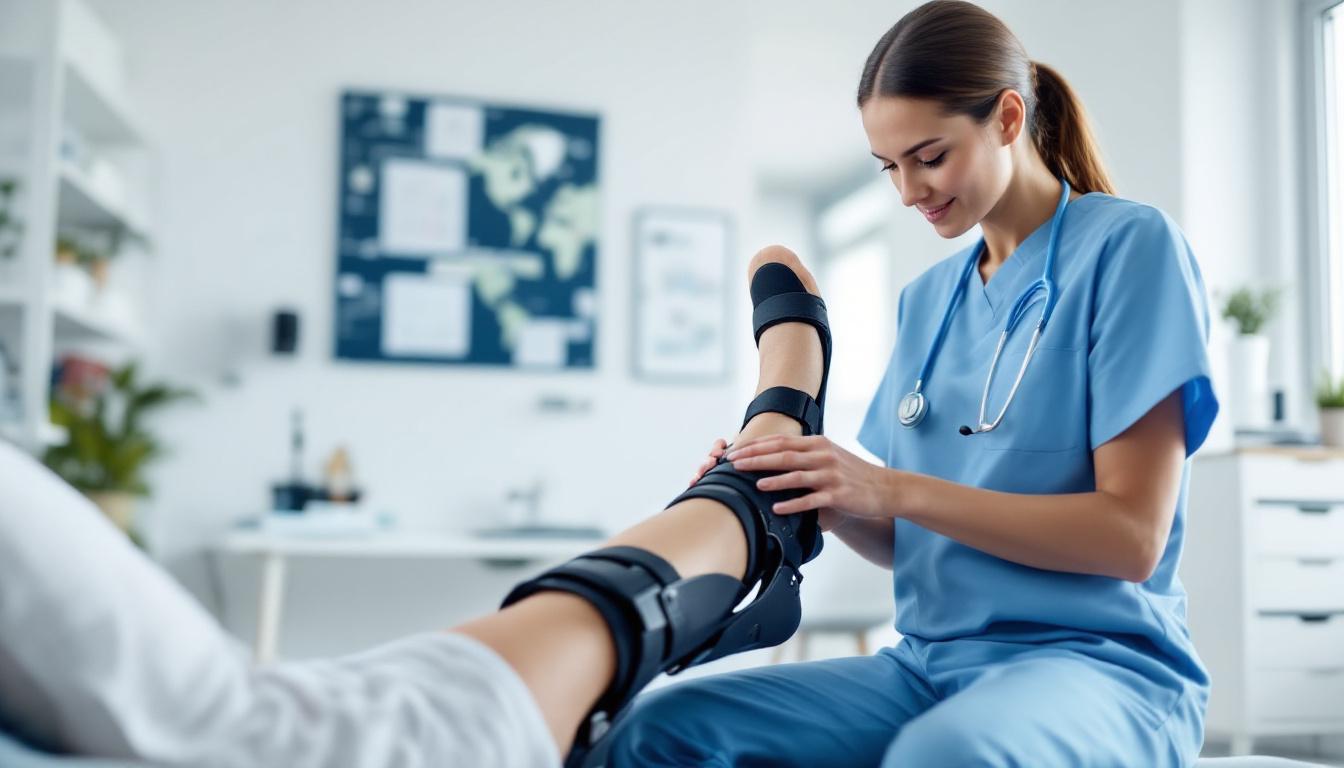
After earning the certificate, students may choose to continue their education to expand their qualifications. Many pursue associate or bachelor's degrees in related health fields. The certificate can serve as a stepping stone toward more advanced roles.
- Students can enroll in associate degrees in rehabilitation or health sciences.
- Some may pursue bachelor’s degrees in occupational therapy or physical therapy later.
- The certificate provides foundational credits that can transfer to higher programs.
- It also allows for career reorientation into other healthcare support areas.
Where to study this degree (200)





Liste des 200 établissements
- Rockhurst UniversityKansas City
- Baker CollegeOwosso
- D'Youville CollegeBuffalo
- Eastern Kentucky UniversityRichmond
- The University of Texas Health Science Center at San AntonioSan Antonio
- Western Carolina UniversityCullowhee
- Touro University CaliforniaVallejo
- Stockton UniversityGalloway
- Eastern Washington UniversityCheney
- California State University, FresnoFresno
- American International CollegeSpringfield
- Pacific UniversityForest Grove
- Barry UniversityMiami
- Indiana Wesleyan UniversityMarion
- Central Piedmont Community CollegeCharlotte
- Widener UniversityChester
- University of ScrantonScranton
- University of Saint MaryLeavenworth
- Stephen F. Austin State UniversityNacogdoches
- Mercer UniversityMacon
- Gannon UniversityErie
- Drexel UniversityPhiladelphia
- University of Wisconsin–La CrosseLa Crosse
- University of Puget SoundTacoma
- Bowling Green State UniversityBowling Green
- Saint Ambrose UniversityDavenport
- New York Institute of TechnologyOld Westbury
- Alabama State UniversityMontgomery
- University of DaytonDayton
- Bradley UniversityPeoria
- Old Dominion UniversityNorfolk
- Louisiana Christian UniversityPineville
- Ithaca CollegeIthaca
- Neumann UniversityAston
- Winston-Salem State UniversityWinston-Salem
- Husson UniversityBangor
- University of Tennessee at ChattanoogaChattanooga
- Duke UniversityDurham
- The University of Texas at El PasoEl Paso
- University of Central FloridaOrlando
- Tufts UniversityMedford
- New York Medical CollegeValhalla
- Northwestern UniversityEvanston
- University of Michigan–FlintFlint
- Suffolk County Community CollegeSelden
- University of North TexasDenton
- Mount St. Mary's UniversityLos Angeles
- Arkansas State UniversityJonesboro
- University of New EnglandBiddeford
- Seton Hall UniversitySouth Orange
- Marymount UniversityArlington
- Western New Mexico UniversitySilver City
- Quinnipiac UniversityHamden
- DeSales UniversityCenter Valley
- SUNY Downstate Health Sciences UniversityBrooklyn
- Des Moines UniversityWest Des Moines
- Mount St. Joseph UniversityCincinnati
- Augusta UniversityAugusta
- Stanbridge UniversityIrvine
- Youngstown State UniversityYoungstown
- Simmons UniversityBoston
- University of CincinnatiCincinnati
- University of OklahomaNorman
- Regis UniversityDenver
- Florida International UniversityMiami
- Maryville UniversitySaint Louis
- University of Mary Hardin–BaylorBelton
- George Washington UniversityWashington
- University of Central ArkansasConway
- Brenau UniversityGainesville
- Western Kentucky UniversityBowling Green
- Walsh UniversityNorth Canton
- St. Catherine UniversitySaint Paul
- Hardin–Simmons UniversityAbilene
- Wingate UniversityWingate
- Northeastern UniversityBoston
- Lebanon Valley CollegeAnnville
- Northwest Mississippi Community CollegeSenatobia
- Kean UniversityUnion
- Samuel Merritt UniversityOakland
- Walla Walla UniversityCollege Place
- Tennessee State UniversityNashville
- University of North Texas Health Science CenterFort Worth
- Methodist UniversityFayetteville
- Adventist University of Health SciencesOrlando
- Wheeling Jesuit UniversityWheeling
- Ottawa UniversityOttawa
- University of the PacificStockton
- Mary Baldwin UniversityStaunton
- Cleveland State UniversityCleveland
- Webber International UniversityBabson Park
- Bay Path UniversityLongmeadow
- Malone UniversityCanton
- George Fox UniversityNewberg
- Thomas UniversityThomasville
- Concordia UniversitySaint Paul
- Belmont UniversityNashville
- Chapman UniversityOrange
- Antioch UniversityYellow Springs
- University of FindlayFindlay
- Chatham UniversityPittsburgh
- Oklahoma City Community CollegeOklahoma City
- Camden County CollegeBlackwood
- Clarke UniversityDubuque
- University of MaryBismarck
- College of St. ScholasticaDuluth
- Dominican College of BlauveltOrangeburg
- Genesee Community CollegeBatavia
- University of Massachusetts LowellLowell
- Salve Regina UniversityNewport
- Kettering CollegeKettering
- Southwestern Oklahoma State UniversityWeatherford
- Northern Illinois UniversityDeKalb
- Northeast Mississippi Community CollegeBooneville
- Missouri State UniversitySpringfield
- Nazareth CollegeRochester
- Trinity Washington UniversityWashington
- Utica CollegeUtica
- Pitt Community CollegeWinterville
- Saint Mary-of-the-Woods CollegeSaint Mary of the Woods
- Alvernia UniversityReading
- University of North GeorgiaDahlonega
- Keiser UniversityFort Lauderdale
- Florida Gulf Coast UniversityFort Myers
- Radford UniversityRadford
- Indiana State UniversityTerre Haute
- Springfield CollegeSpringfield
- University of South AlabamaMobile
- University of KentuckyLexington
- Huntington UniversityHuntington
- University of Wisconsin–SuperiorSuperior
- Grand Valley State UniversityAllendale
- Daemen CollegeAmherst
- Mercy UniversityDobbs Ferry
- University of South DakotaVermillion
- Mount Mary UniversityMilwaukee
- Langston UniversityLangston
- Concordia University WisconsinMequon
- Northern Arizona UniversityFlagstaff
- University of DelawareNewark
- Shaw UniversityRaleigh
- University of Minnesota MorrisMorris
- Hampton UniversityHampton
- University of North FloridaJacksonville
- Midwestern UniversityDowners Grove
- Austin Community CollegeAustin
- Misericordia UniversityDallas
- Wayne State UniversityDetroit
- University of EvansvilleEvansville
- University of IdahoMoscow
- University of North DakotaGrand Forks
- Trine UniversityAngola
- Prescott CollegePrescott
- University of Mount UnionAlliance
- SUNY CortlandCortland
- Tuskegee UniversityTuskegee
- University of ConnecticutStorrs
- Emory and Henry CollegeEmory
- California State University, SacramentoSacramento
- Georgia State UniversityAtlanta
- Jones County Junior CollegeEllisville
- Franklin Pierce UniversityRindge
- Central Michigan UniversityMount Pleasant
- Southwest Baptist UniversityBolivar
- Bellarmine UniversityLouisville
- Samford UniversityBirmingham
- University of HartfordWest Hartford
- Slippery Rock UniversitySlippery Rock
- South UniversitySavannah
- Saint Francis UniversityLoretto
- Briar Cliff UniversitySioux City
- Wichita State UniversityWichita
- Arcadia UniversityGlenside
- University of St. Augustine for Health SciencesSan Marcos
- The University of MontanaMissoula
- University of Southern CaliforniaLos Angeles
- Creighton UniversityOmaha
- Baylor UniversityWaco
- South CollegeKnoxville
- Boston UniversityBoston
- The University of Texas Medical Branch at GalvestonGalveston
- Texas Woman's UniversityDenton
- University of Pittsburgh-Pittsburgh CampusPittsburgh
- Medical University of South CarolinaCharleston
- Shenandoah UniversityWinchester
- MGH Institute of Health ProfessionsBoston
- University of FloridaGainesville
- University of Oklahoma-Health Sciences CenterOklahoma City
- University of KansasLawrence
- Rocky Mountain University of Health ProfessionsProvo
- University of Minnesota-Twin CitiesMinneapolis
- University of IndianapolisIndianapolis
- Virginia Commonwealth UniversityRichmond
- Ohio State University-Main CampusColumbus
- University of South FloridaTampa
- Thomas Jefferson UniversityPhiladelphia
- Saint Joseph's UniversityPhiladelphia
- Touro CollegeNew York
- Nova Southeastern UniversityFort Lauderdale
- Washington University in St LouisSaint Louis
Frequently asked questions
What prior education do I need to apply?
You need a high school diploma or equivalent to apply. Some programs may ask for basic knowledge in biology or health sciences.
How long does the certificate take to complete?
The program usually takes less than two years, depending on whether you study full-time or part-time.
Are there practical training opportunities?
Yes, the program includes hands-on labs and internships in healthcare or rehabilitation settings.
Can I work while studying?
Many students balance studies with part-time work, but the program requires regular attendance for classes and practical sessions.
What jobs can I get after this certificate?
Graduates often find entry-level roles such as therapy assistants or rehabilitation aides in hospitals and community centers.
Is this certificate recognized nationwide?
Yes, it is recognized across the United States as a credential for support roles in rehabilitation professions.
Can I continue my studies after this certificate?
You can pursue associate or bachelor's degrees in related health fields to advance your career.
Is there an option for alternating work and study?
Typically, this certificate does not offer an official alternating work-study program.
