Certificate in Mason/Masonry
This certificate teaches masonry skills including bricklaying and stonework, preparing students for entry-level construction jobs in the US building industry.
About
The Certificate in Mason/Masonry is a postsecondary credential designed for individuals interested in learning the trade of masonry. It suits those who want to work with bricks, stones, and concrete blocks to build or repair structures. This certificate is ideal for students who enjoy hands-on work and want to enter the construction field quickly. It prepares graduates to become masonry workers or helpers in construction projects, focusing on practical skills needed on job sites.
- The program typically lasts less than two years and offers a focused education on masonry techniques.
- It is suitable for recent high school graduates or adults seeking a career change.
- Graduates can work in residential, commercial, or infrastructure construction.
- The certificate provides foundational skills but does not lead directly to advanced engineering roles.
- Students learn to interpret blueprints and use tools specific to masonry work.
What you study
The curriculum combines classroom instruction with practical training to develop masonry skills. Students start with basic construction principles and safety practices before advancing to hands-on work. The program covers materials like bricks, blocks, and stones, teaching how to measure, cut, and lay them accurately. Students also learn mortar mixing and application techniques essential for durable construction.
- Courses include construction safety and tool handling to ensure proper job site practices.
- Instruction covers blueprint reading to understand project plans and specifications.
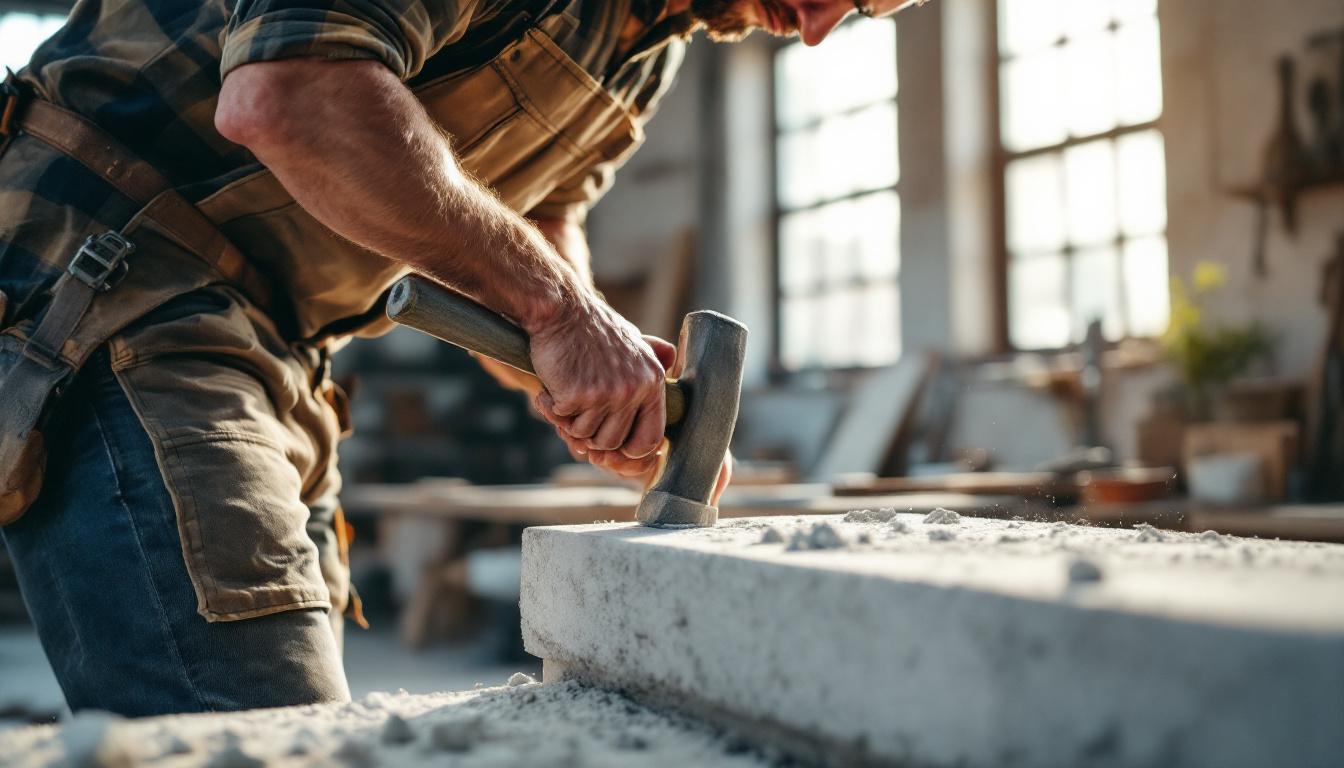
- Hands-on workshops focus on bricklaying, stone masonry, and concrete block setting.
- The program emphasizes precision and quality in building walls, arches, and other structures.
- Students gradually progress from simple exercises to complex masonry tasks.
- Practical sessions often simulate real construction environments to prepare for actual job conditions.
How to get in
Admission to this certificate program generally requires a high school diploma or equivalent. Some schools may accept students who have completed secondary education or have relevant work experience. The application process varies but usually involves submitting transcripts and possibly attending an interview or orientation.
- Applicants should have basic math and reading skills to handle measurements and instructions.
- Physical fitness is important due to the manual labor involved in masonry.
- Motivation for hands-on work and interest in construction are valued.
- Some programs may require placement tests to assess readiness.
- Admission is typically open and not highly selective, aimed at preparing students for entry-level roles.
Day to day
A typical year in the masonry certificate program balances classroom lessons and practical workshops. Students spend time learning theory before applying it in lab settings. The schedule may include group projects and individual assignments that mimic real masonry tasks. Some programs offer internships or cooperative education opportunities with local construction companies.
- The daily routine involves both instruction and physical practice to build skills progressively.
- Students work with various materials and tools under instructor supervision.
- There may be site visits to construction projects to observe professional masons at work.
- Hands-on projects help students develop teamwork and problem-solving abilities.
- Some programs allow alternating periods of study and work experience to enhance learning.
Careers this degree leads to
Graduates with this certificate can find work as masonry laborers or helpers in construction firms. They often assist experienced masons or work on smaller projects independently. The construction sector, including residential and commercial building, regularly needs skilled masonry workers. Job opportunities depend on regional construction activity but tend to be steady where building and renovation occur.
- Common jobs include masonry helper, bricklayer assistant, and block mason.
- Construction companies, contractors, and public works projects employ masonry workers.
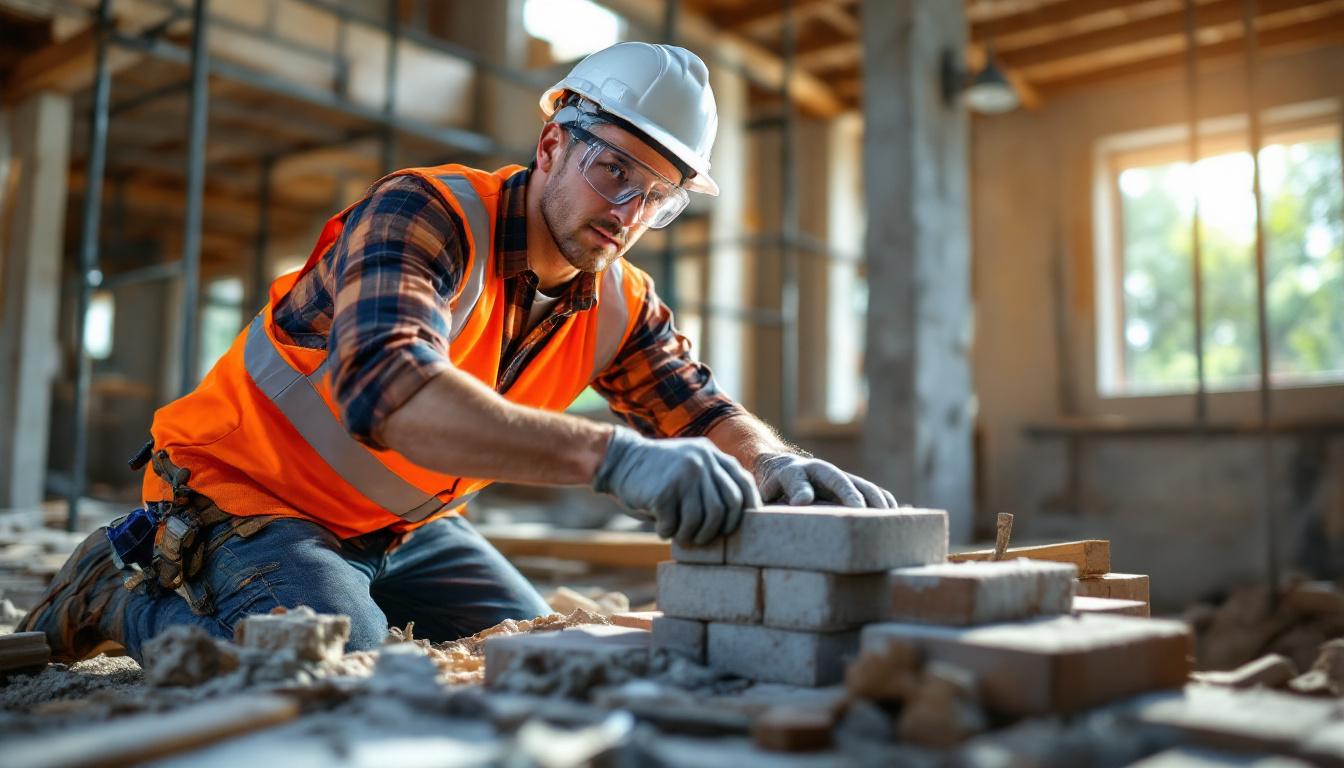
- The work involves building walls, chimneys, patios, and other stone or brick structures.
- Entry-level positions allow gaining experience before advancing to journeyman status.
- Employment prospects improve with practical skills and certifications in safety.


Careers after further study
These careers require a higher level of study than this degree.


Continuing your studies
After earning the certificate, students can pursue further training or education to advance their careers. Options include apprenticeships that combine paid work with additional instruction. Some may continue to related diplomas or associate degrees in construction technology or building trades. This can open doors to supervisory roles or specialized masonry fields.
- Apprenticeships provide on-the-job experience and skill development.
- Students may enroll in associate degree programs in construction management or building technology.
- Continuing education can lead to certifications in safety or specialized masonry techniques.
- Some may choose to shift to related trades like carpentry or concrete finishing.
Where to study this degree (54)






Liste des 54 établissements
- Big Sandy Community and Technical CollegePrestonsburg
- Pearl River Community CollegePoplarville
- Central Arizona CollegeCoolidge
- Ivy Tech Community CollegeIndianapolis
- Eastern Arizona CollegeThatcher
- J F Ingram State Technical CollegeDeatsville
- Halifax Community CollegeWeldon
- Coahoma Community CollegeClarksdale
- Piedmont Technical CollegeGreenwood
- Central Carolina Community CollegeSanford
- Gadsden State Community CollegeGadsden
- Mayland Community CollegeSpruce Pine
- Kennedy–King CollegeChicago
- Southwest Wisconsin Technical CollegeFennimore
- Williamson College of the TradesMedia
- Thaddeus Stevens College of TechnologyLancaster
- Albany Technical CollegeAlbany
- Fort Scott Community CollegeFort Scott
- Arizona Western CollegeYuma
- Milwaukee Area Technical CollegeMilwaukee
- Alfred State CollegeAlfred
- Wallace Community College SelmaSelma
- Emily Griffith Technical CollegeDenver
- Moraine Park Technical CollegeFond du Lac
- Columbus Technical CollegeColumbus
- Orange Coast CollegeCosta Mesa
- Salt Lake Community CollegeSalt Lake City
- Southeastern Community CollegeWhiteville
- Calhoun Community CollegeTanner
- Tennessee College of Applied Technology-CrossvilleCrossville
- Lehigh Career & Technical InstituteSchnecksville
- College of Southern NevadaLas Vegas
- Jefferson Davis Community CollegeBay Minette
- Waynesville Career CenterWaynesville
- Clearfield County Career and Technology CenterClearfield
- Central Louisiana Technical Community CollegeAlexandria
- Parkland CollegeChampaign
- Greater Altoona Career & Technology CenterAltoona
- Hinds Community CollegeRaymond
- Northland Pioneer CollegeHolbrook
- Northeast Wisconsin Technical CollegeGreen Bay
- Lebanon County Area Vocational Technical SchoolLebanon
- Somerset County Technology CenterSomerset
- Mississippi Delta Community CollegeMoorhead
- Orange Technical College-South CampusOrlando
- Marion Technical CollegeOcala
- York Technical CollegeRock Hill
- Indian River State CollegeFort Pierce
- Manatee Technical CollegeBradenton
- Truckee Meadows Community CollegeReno
- Mid-State Technical CollegeWisconsin Rapids
- Palomar CollegeSan Marcos
- Riveroak Technical CollegeLive Oak
- Berks Career & Technology CenterLeesport
Frequently asked questions
What prior education do I need to apply?
You generally need a high school diploma or equivalent to apply. Some programs may accept students with relevant work experience or secondary education.
Is this certificate suitable for beginners?
Yes, the program is designed for those new to masonry, focusing on foundational skills and practical training.
Can I work while studying this certificate?
Many programs offer part-time schedules or apprenticeships that allow students to gain work experience alongside their studies.
What kind of jobs can I get after this certificate?
Graduates typically find entry-level positions as masonry helpers, bricklayer assistants, or block masons in construction companies.
Does the program include hands-on training?
Yes, practical workshops and lab sessions are a key part of the curriculum to develop real masonry skills.
Can I continue my education after this certificate?
You can pursue apprenticeships or further studies in construction technology or related fields to advance your career.
Is physical fitness important for this program?
Physical fitness is important because masonry work involves manual labor, lifting, and standing for long periods.
Are there safety courses included in the training?
Yes, construction safety is a core subject to prepare students for safe practices on job sites.