Certificate in Leatherworking and Upholstery
This certificate teaches leatherworking and upholstery skills, preparing students for craftsman roles in furniture, fashion, and automotive industries.
About
The Certificate in Leatherworking and Upholstery is a postsecondary credential in the United States designed for students interested in hands-on craft and design work. It suits those who enjoy working with materials like leather and fabric to create or repair items such as furniture, car interiors, and fashion accessories. The program typically lasts under two years and provides practical skills that can lead to careers in artisanal workshops, manufacturing, or small businesses. It is ideal for learners who want to develop technical expertise without pursuing a full college degree.
- This certificate focuses on teaching leather crafting and upholstery techniques essential for repairing and creating products.
- It is aimed at students who have completed high school or equivalent and want a specialized skill set.
- Graduates can work as upholsterers, leather artisans, or in related trades.
- The program emphasizes practical skills that are valued in both traditional and modern industries.
- It provides a foundation for entering the workforce quickly with a recognized credential.
What you study
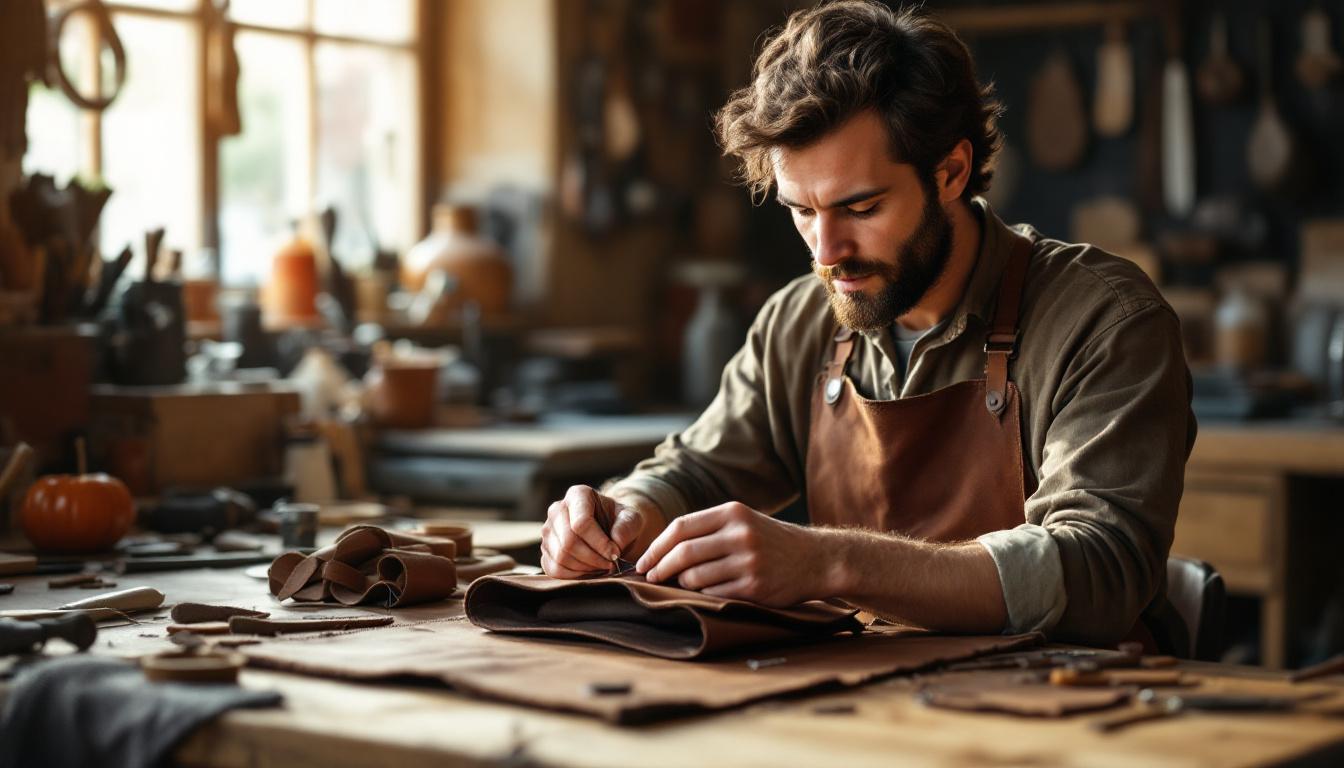
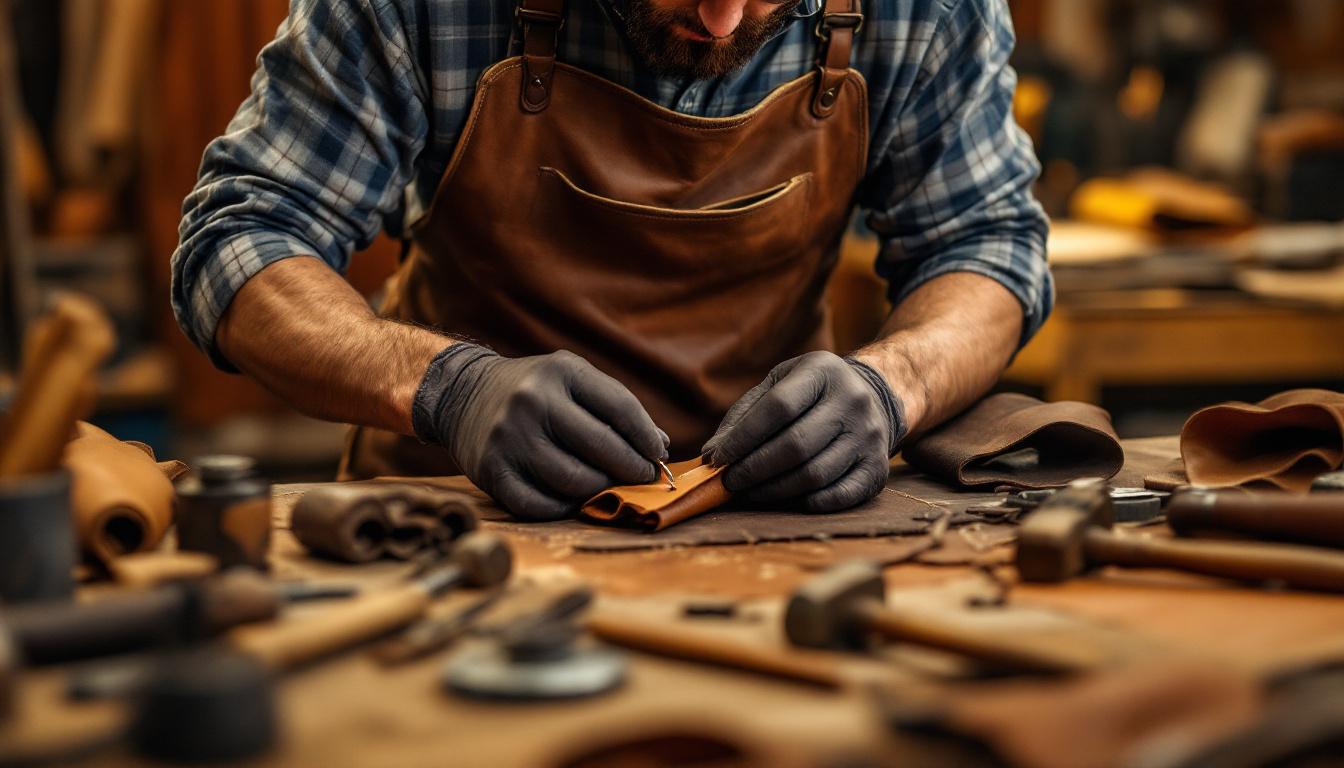
The curriculum combines theoretical knowledge with extensive hands-on training. Students start by learning the basics of leather types, tools, and upholstery materials. They then progress to more advanced techniques such as cutting, stitching, and assembling leather goods and upholstered items. The program includes lessons on design principles and maintenance of tools and equipment. Practical workshops form a large part of the learning process, allowing students to practice real-world projects like furniture restoration or crafting leather accessories.
- Courses cover material properties and tool handling essential for quality work.
- Students learn pattern making and sewing techniques specific to leather and upholstery.
- The program develops skills in repairing furniture and creating custom leather products.
- Practical sessions dominate the curriculum, with projects simulating workplace tasks.
- Instruction includes safety practices and professional standards in craftsmanship.
How to get in
Admission to this certificate program generally requires a high school diploma or equivalent. The application process varies by institution but often includes submitting academic records and sometimes an interview or portfolio review to assess interest and aptitude. The program welcomes students who have a passion for crafts and manual work, as well as those looking to develop a trade skill. No advanced prior knowledge is usually required, but basic skills in manual dexterity and creativity are helpful.
- Applicants must have completed high school or GED.
- Some schools may request a portfolio or interview to evaluate motivation.
- The program is open to those interested in hands-on work and craftsmanship.
- There are typically no strict academic prerequisites beyond secondary education.
- Admission procedures follow standard US postsecondary guidelines.
Day to day
A typical year in the program involves a mix of classroom instruction and workshop practice. Students spend significant time in labs working on projects that build their skills progressively. Some programs may include opportunities for internships or cooperative education to gain real-world experience. The schedule is usually full-time, with classes several days per week. Students often work on individual and group projects, developing both technical and problem-solving abilities. While formal apprenticeships are not always part of the program, students are encouraged to seek practical experience.
- The program runs on a full-time basis with regular weekly classes and workshops.
- Students engage in hands-on projects such as making or repairing furniture pieces.
- Some institutions offer internships or work placements for practical exposure.
- Collaborative work helps develop teamwork and communication skills.
- Time management and consistent practice are important for skill mastery.
Careers this degree leads to
Graduates of this certificate can find work in various sectors that require leatherworking and upholstery skills. Common job roles include upholsterer, leather craftsman, furniture restorer, and artisan in fashion or automotive industries. The demand for skilled tradespeople in these areas is steady, especially in small workshops, custom furniture shops, and repair services. Employment often involves working in small teams or independently. The transition to employment is generally smooth for those who develop strong practical skills and a professional attitude.
- Job opportunities include upholsterer and leather artisan roles.
- Industries hiring graduates range from furniture making to automotive interiors.
- Small businesses and craft workshops are common employers.
- The program prepares students for entry-level positions with practical expertise.
- Successful graduates often find steady work in local markets or specialized trades.




Careers after further study
These careers require a higher level of study than this degree.

Continuing your studies
After completing the certificate, students may choose to further their education or specialize. Options include advanced certificates or associate degrees in related fields such as furniture design, interior design, or fine arts. Some may also pursue apprenticeships or training programs to deepen their craftsmanship. The certificate provides a solid foundation for reorienting towards other applied arts or technical trades if desired. Continuing education can enhance career prospects and open doors to supervisory or design roles.
- Students can pursue associate degrees in related crafts or design fields.
- Advanced certificates offer specialization in areas like furniture restoration.
- Apprenticeships provide further hands-on experience and skill refinement.
- The certificate supports transitions to other artisanal or technical trades.
Where to study this degree (10)







Liste des 10 établissements
- Institucion Chaviano de MayaguezMayaguez
- Savannah Technical CollegeSavannah
- Spokane Community CollegeSpokane
- J F Ingram State Technical CollegeDeatsville
- Riverside City CollegeRiverside
- Central Arizona CollegeCoolidge
- Guilford Technical Community CollegeJamestown
- Clover Park Technical CollegeLakewood
- San Bernardino Valley CollegeSan Bernardino
- Phoenix CollegePhoenix
Frequently asked questions
What prior education do I need to apply?
You usually need a high school diploma or equivalent to apply. Some programs may ask for an interview or portfolio but no advanced qualifications are required.
Is this certificate enough to start working?
Yes, the certificate provides practical skills to enter entry-level jobs in upholstery and leatherworking, especially in small businesses or workshops.
Can I work while studying this program?
Most programs are full-time and require regular attendance, so working alongside may be challenging but part-time options vary by institution.
Are internships included in the program?
Some schools offer internships or cooperative education opportunities to gain real-world experience, but this is not always mandatory.
What kind of jobs can I get after graduation?
Graduates often work as upholsterers, leather artisans, or furniture restorers in industries like furniture making, automotive interiors, or fashion.
Can I continue my studies after this certificate?
Yes, you can pursue associate degrees or advanced certificates in related fields, or seek apprenticeships to further develop your skills.
Is this program selective?
Admission is generally not very selective; the main requirement is a high school diploma and an interest in hands-on craftsmanship.
Does the program teach design skills?
Yes, basic design principles and pattern making are part of the curriculum to help students create and repair leather and upholstery products.