Certificate in Electrical, Electronics, and Communications Engineering
This certificate teaches fundamentals of electrical, electronics, and communications engineering, preparing students for technical roles in related industries.
About
The Certificate in Electrical, Electronics, and Communications Engineering is a postsecondary program designed for students interested in technical fields involving electricity, electronics, and communication systems. It is suitable for those who want to quickly enter the workforce with practical skills or build a foundation for further studies. The program focuses on core concepts and hands-on training to prepare learners for technician or support roles in various industries.
- This certificate typically takes less than two years to complete, making it a relatively short pathway after high school.
- It is aimed at students who have completed high school or equivalent and want specialized training in electrical and communication technologies.
- Graduates can work in sectors like telecommunications, manufacturing, or electronics maintenance.
- The program emphasizes practical skills that help students understand how to install, maintain, and troubleshoot electronic and communication equipment.
- It offers a foundation for those considering further education in engineering or technology fields.
What you study
The program covers essential topics related to electrical circuits, electronic devices, and communication systems, blending theory with practical exercises. Students gradually build their knowledge and skills over the course duration.
- Early courses focus on basic electrical principles and circuit analysis, introducing students to how electrical systems work.
- Students then study electronic components and digital electronics, learning about semiconductors and microcontrollers.
- The curriculum includes communication systems such as analog and digital transmission methods.
- Practical labs and workshops are a significant part of the program, allowing students to work with real equipment and develop troubleshooting skills.
- Some programs may include training on programming microcontrollers or using diagnostic tools.
- Hands-on projects and simulations help students apply theory to real-world problems.
How to get in
Admission to this certificate program generally requires a high school diploma or equivalent. The process is straightforward and accessible to many students who meet the basic educational requirements.
- Applicants usually need to have completed high school (or GED) with some background in math and science.
- Some institutions may require a placement test or an interview to assess readiness.
- The application process involves submitting transcripts and possibly proof of English proficiency for non-native speakers.
- Students with a strong interest in technology and problem-solving are well-suited for this program.
- It is designed to be inclusive, welcoming learners who want practical skills rather than a long academic path.
Day to day
The daily life of a student in this program involves a mix of classroom learning, laboratory work, and project-based activities. The schedule is structured to balance theory and practice.
- Students attend lectures that explain electrical and electronic concepts, often supported by visual aids and demonstrations.
- Laboratory sessions allow hands-on experience with circuits, testing instruments, and communication devices.
- Projects may include assembling and troubleshooting electronic kits or designing simple communication setups.
- Some programs encourage internships or cooperative education to gain real-world experience.
- The workload is manageable within a typical academic calendar, with assessments based on exams, practical tests, and project reports.
Careers this degree leads to
Graduates of this certificate can find employment in various technical roles related to electrical and communication systems. The job market generally values practical skills and the ability to work with technology.
- Common job titles include electrical technician, electronics technician, and communications technician.
- Industries hiring these graduates include telecommunications, manufacturing, and equipment maintenance.
- Work often involves installing, maintaining, and repairing electronic or communication equipment.
- The insertion into the workforce is generally quick due to the demand for technical support roles.
- Some graduates may also work in sales or technical support for electronic products.

Careers after further study
These careers require a higher level of study than this degree.

Continuing your studies
After completing this certificate, students can consider further education to expand their qualifications and career options. The program provides a foundation for continued studies in engineering or technology.
- Possible next steps include enrolling in an associate degree in electrical or electronics engineering technology.
- Students may also pursue specialized diplomas or certifications in telecommunications or computer networking.
- The certificate can serve as a stepping stone for bachelor’s degree programs in related fields.
- Reorientation toward other technical areas is possible depending on interests and additional training.
Where to study this degree (200)



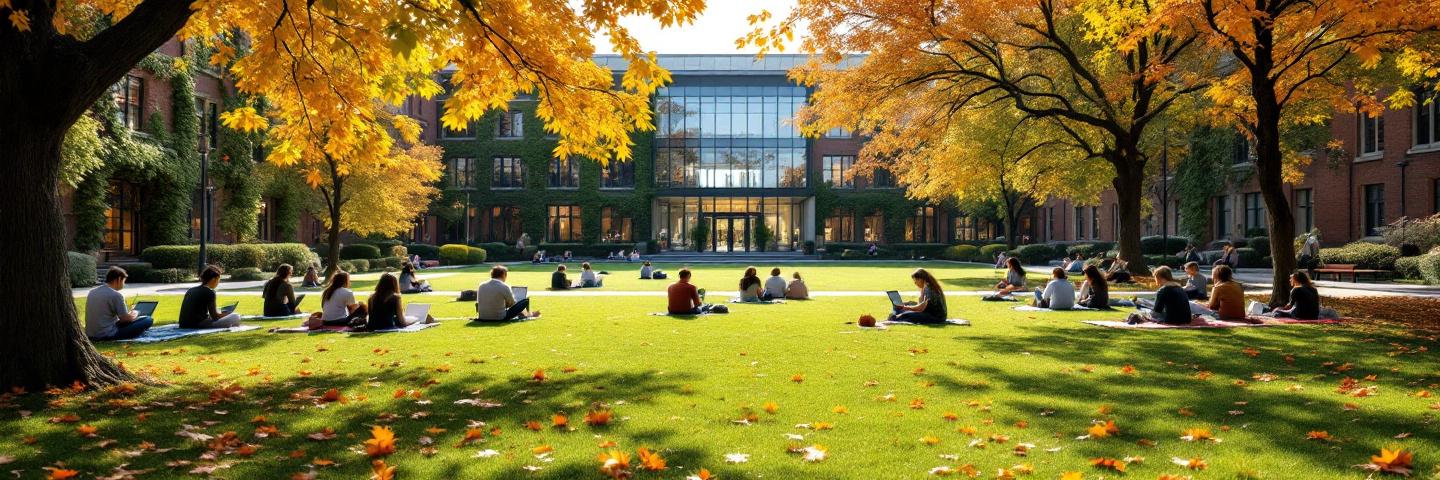
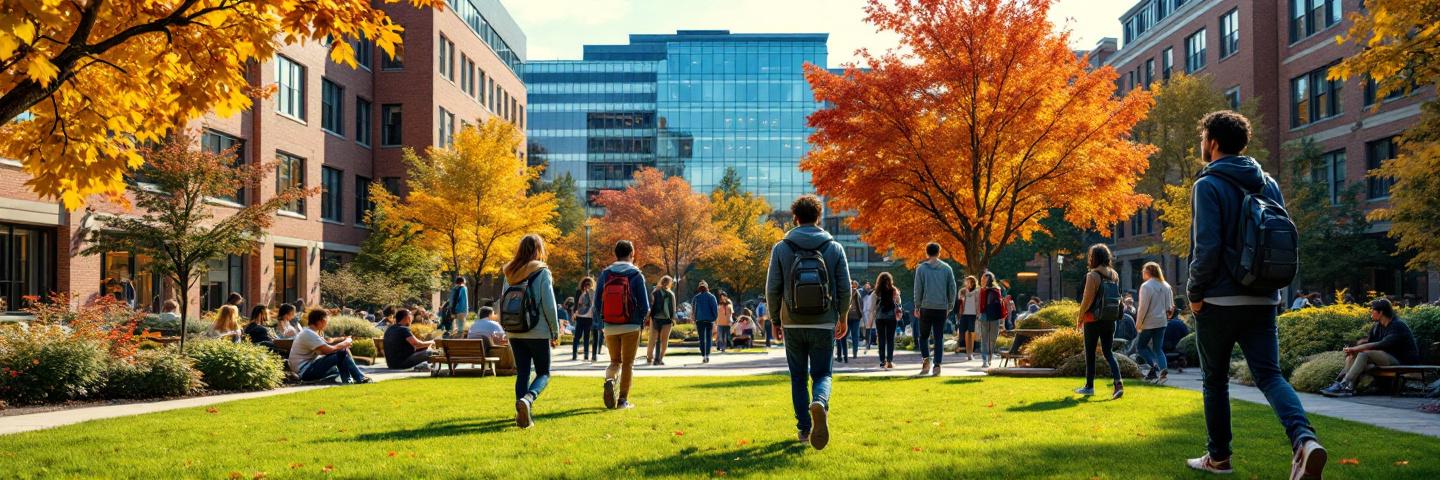
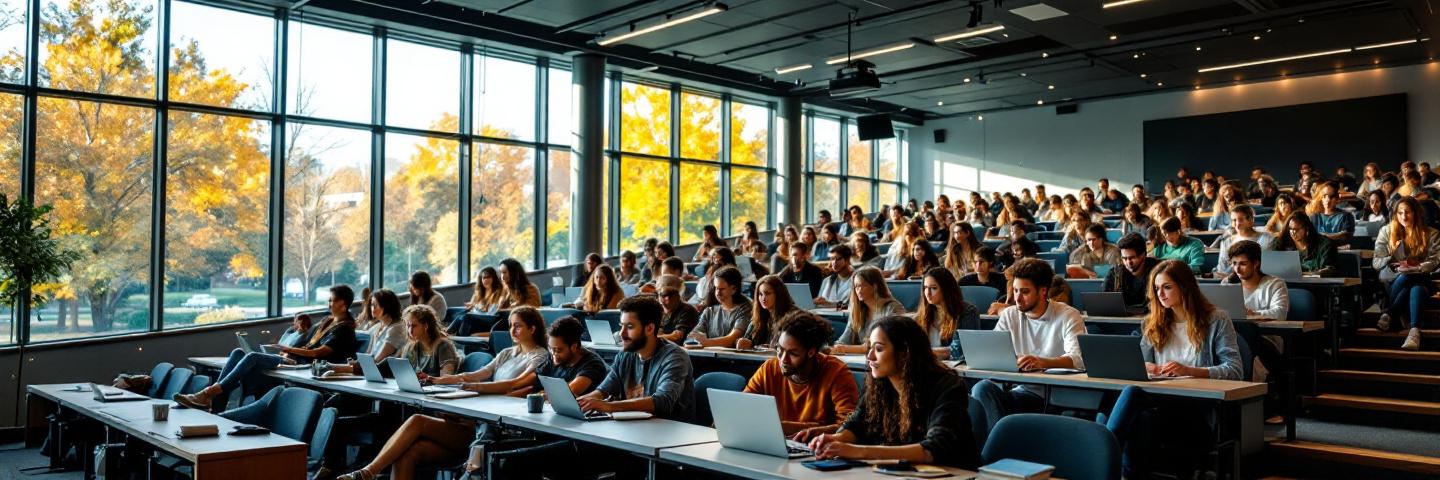

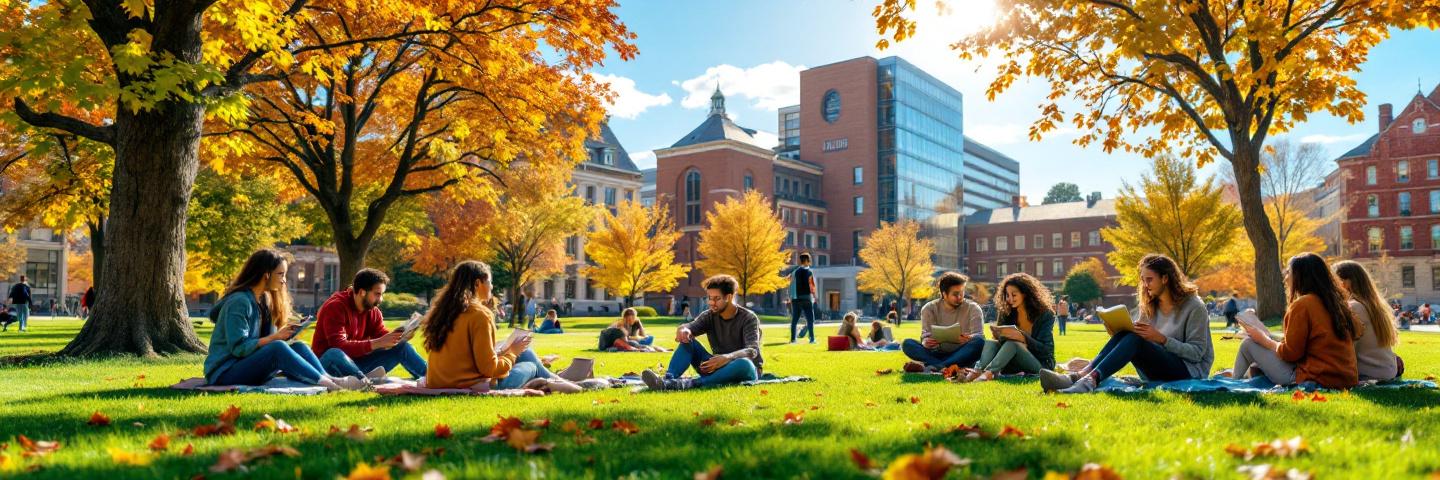

Liste des 200 établissements
- Michigan Technological UniversityHoughton
- East–West UniversityChicago
- University of Alabama in HuntsvilleHuntsville
- The University of Texas at El PasoEl Paso
- Southern Technical CollegeOrlando
- Brigham Young UniversityProvo
- Baylor UniversityWaco
- Northeastern UniversityBoston
- San Diego Miramar CollegeSan Diego
- Rochester Institute of TechnologyRochester
- University of Nebraska at OmahaOmaha
- Johns Hopkins UniversityBaltimore
- Mississippi Gulf Coast Community CollegePerkinston
- San Diego City CollegeSan Diego
- Galveston CollegeGalveston
- North Central State CollegeMansfield
- University of the PacificStockton
- Rockland Community CollegeSuffern
- American River CollegeSacramento
- North Carolina State UniversityRaleigh
- Valencia CollegeOrlando
- Binghamton UniversityBinghamton
- Fresno City CollegeFresno
- Alcorn State UniversityAlcorn State
- Wichita State UniversityWichita
- Rice UniversityHouston
- University of California-BerkeleyBerkeley
- Carnegie Mellon UniversityPittsburgh
- University of Southern CaliforniaLos Angeles
- Georgia Institute of Technology-Main CampusAtlanta
- The University of Texas at AustinAustin
- Columbia UniversityNew York
- Rutgers University-New BrunswickNew Brunswick
- Texas A & M University-College StationCollege Station
- University of California-San DiegoLa Jolla
- University of Colorado BoulderBoulder
- Arizona State University Campus ImmersionTempe
- University of California-Los AngelesLos Angeles
- University of Washington-Seattle CampusSeattle
- Ohio State University-Main CampusColumbus
- Florida International UniversityMiami
- Purdue University West LafayetteWest Lafayette
- University of FloridaGainesville
- University of Illinois Urbana-ChampaignUrbana
- University of Central FloridaOrlando
- Southern Technical CollegeFort Myers
- Arizona State University Digital ImmersionScottsdale
- Cornell UniversityIthaca
- California Polytechnic State UniversitySan Luis Obispo
- Pennsylvania State University-Main CampusUniversity Park
- Duke UniversityDurham
- Stanford UniversityStanford
- The University of Texas at DallasRichardson
- San Jose State UniversitySan Jose
- California State Polytechnic UniversityPomona
- University of Michigan–DearbornDearborn
- University of Massachusetts LowellLowell
- University of PennsylvaniaPhiladelphia
- Michigan State UniversityEast Lansing
- University of CincinnatiCincinnati
- University of Wisconsin–MadisonMadison
- California State University, Long BeachLong Beach
- New York UniversityNew York
- Iowa State UniversityAmes
- University of Massachusetts-AmherstAmherst
- Virginia TechBlacksburg
- Oregon State UniversityCorvallis
- Washington University in St LouisSaint Louis
- University of ArizonaTucson
- San Diego State UniversitySan Diego
- Clemson UniversityClemson
- University of Maryland-College ParkCollege Park
- Kennesaw State UniversityKennesaw
- University of California-DavisDavis
- Boston UniversityBoston
- University of California-IrvineIrvine
- University of Michigan-Ann ArborAnn Arbor
- California State University, SacramentoSacramento
- University of Puerto Rico-MayaguezMayaguez
- Missouri University of Science and TechnologyRolla
- University of South FloridaTampa
- Massachusetts Institute of TechnologyCambridge
- University of Illinois ChicagoChicago
- University at BuffaloBuffalo
- Rowan UniversityGlassboro
- University of HoustonHouston
- City College of New YorkNew York
- Mississippi State UniversityStarkville
- University of North Carolina at CharlotteCharlotte
- University of DaytonDayton
- Colorado School of MinesGolden
- Drexel UniversityPhiladelphia
- Oakland UniversityRochester Hills
- Stevens Institute of TechnologyHoboken
- Worcester Polytechnic InstituteWorcester
- University of ConnecticutStorrs
- University of Nevada, RenoReno
- Texas Tech UniversityLubbock
- University of OklahomaNorman
- Indiana University-IndianapolisIndianapolis
- Washington State UniversityPullman
- Louisiana State University and Agricultural & Mechanical CollegeBaton Rouge
- Wayne State UniversityDetroit
- Auburn UniversityAuburn
- Rensselaer Polytechnic InstituteTroy
- California State University, NorthridgeNorthridge
- Milwaukee School of EngineeringMilwaukee
- California State University, FullertonFullerton
- The University of Texas at ArlingtonArlington
- The University of Texas at San AntonioSan Antonio
- Lawrence Technological UniversitySouthfield
- North Dakota State UniversityFargo
- New Jersey Institute of TechnologyNewark
- University of Minnesota-Twin CitiesMinneapolis
- University of ToledoToledo
- University of Notre DameNotre Dame
- Texas State UniversitySan Marcos
- University of California, RiversideRiverside
- University of California-Santa BarbaraSanta Barbara
- University of KentuckyLexington
- Portland State UniversityPortland
- Cleveland State UniversityCleveland
- University of AlabamaTuscaloosa
- University of UtahSalt Lake City
- University of RochesterRochester
- Georgia Southern UniversityStatesboro
- The University of Texas Rio Grande ValleyEdinburg
- Kettering UniversityFlint
- University of Washington BothellBothell
- Oklahoma State University-Main CampusStillwater
- University of West FloridaPensacola
- California State University Los AngelesLos Angeles
- Princeton UniversityPrinceton
- University of Tennessee at KnoxvilleKnoxville
- University of GeorgiaAthens
- Southern Methodist UniversityDallas
- Stony Brook UniversityStony Brook
- University of Pittsburgh-Pittsburgh CampusPittsburgh
- University of Minnesota, DuluthDuluth
- University of Wisconsin–PlattevillePlatteville
- Illinois Institute of TechnologyChicago
- Pennsylvania State University-Penn State HarrisburgMiddletown
- Universidad Politecnica de Puerto RicoHato Rey
- New York Institute of TechnologyOld Westbury
- Morgan State UniversityBaltimore
- Temple UniversityPhiladelphia
- University of Hawaiʻi at MānoaHonolulu
- University of North TexasDenton
- George Mason UniversityFairfax
- Colorado State University-Fort CollinsFort Collins
- University of Wisconsin-MilwaukeeMilwaukee
- University of South Carolina-ColumbiaColumbia
- Case Western Reserve UniversityCleveland
- Northern Illinois UniversityDeKalb
- University of Missouri-ColumbiaColumbia
- New Mexico State UniversityLas Cruces
- University of Nebraska–LincolnLincoln
- Florida Atlantic UniversityBoca Raton
- Wentworth Institute of TechnologyBoston
- Brigham Young University - IdahoRexburg
- University of ArkansasFayetteville
- Youngstown State UniversityYoungstown
- University of North DakotaGrand Forks
- Utah State UniversityLogan
- University of IowaIowa City
- Naval Postgraduate SchoolMonterey
- George Washington UniversityWashington
- Northwestern UniversityEvanston
- University of Alabama at BirminghamBirmingham
- University of Washington TacomaTacoma
- University of Colorado Denver/Anschutz Medical CampusDenver
- Clarkson UniversityPotsdam
- College of Staten IslandStaten Island
- Rose–Hulman Institute of TechnologyTerre Haute
- University of LouisvilleLouisville
- Old Dominion UniversityNorfolk
- University of New Mexico-Main CampusAlbuquerque
- Ohio University LancasterAthens
- Northern Arizona UniversityFlagstaff
- University of Nevada, Las VegasLas Vegas
- West Virginia UniversityMorgantown
- Syracuse UniversitySyracuse
- University of North FloridaJacksonville
- Florida State UniversityTallahassee
- San Francisco State UniversitySan Francisco
- Montana State UniversityBozeman
- Kansas State UniversityManhattan
- University of Rhode IslandKingston
- The University of Texas at TylerTyler
- North Carolina Agricultural and Technical State UniversityGreensboro
- Tufts UniversityMedford
- Wright State UniversityDayton
- Western Michigan UniversityKalamazoo
- University of California-Santa CruzSanta Cruz
- University of AkronAkron
- Florida Institute of TechnologyMelbourne
- University of South AlabamaMobile
- Louisiana Tech UniversityRuston
- California State University, ChicoChico
- Tennessee Technological UniversityCookeville
Frequently asked questions
What prior knowledge do I need to start this certificate?
You should have completed high school with some background in math and science. Basic understanding of physics or electronics can help but is not always required.
How long does the program take to complete?
The certificate typically takes less than two years to complete, depending on whether you study full-time or part-time.
Are there practical training opportunities included?
Yes, the program includes laboratory sessions and hands-on projects to develop practical skills with electrical and communication equipment.
Can I work while studying this program?
Many students manage to balance part-time work with their studies, but the program involves regular lab work and projects that require time commitment.
What kinds of jobs can I get after this certificate?
Graduates often find roles as technicians in electrical, electronics, or communications fields, working on installation, maintenance, and repair.
Is this certificate recognized for further studies?
Yes, it provides a foundation for continuing education in engineering technology or related fields at colleges or universities.
Is financial aid available for this program?
Many institutions offer financial aid or scholarships for eligible students; it is best to check with the specific school you plan to attend.
Do I need to have good English skills to enroll?
Since courses are taught in English, proficiency is important. Non-native speakers may need to provide proof of English language ability.