Certificate in Boilermaking/Boilermaker
This certificate trains students in boilermaking skills, preparing them for work in metal fabrication and industrial maintenance in the US.
About
The Certificate in Boilermaking/Boilermaker is a postsecondary program designed for individuals interested in metalwork and industrial construction. It is aimed at students who want to learn how to assemble, install, and repair boilers, tanks, and large containers made of steel or other metals. This certificate prepares learners for entry-level positions in industries such as manufacturing, energy, and construction.
- The program typically lasts under two years, focusing on practical skills and technical knowledge.
- It is suitable for those who enjoy hands-on work and want to develop expertise in welding, metal fitting, and blueprint reading.
- Graduates can work as boilermakers, metal fabricators, or industrial maintenance technicians.
- The certificate provides a foundation for understanding safety standards and industrial equipment operation.
- This diploma is recognized in the United States and aligns with workforce needs in heavy industry sectors.
What you study
The program combines theoretical instruction with extensive practical training to develop boilermaking skills. Students start by learning basic concepts and safety procedures before advancing to more complex tasks.
- Courses include welding techniques, metal fabrication, blueprint reading, and industrial safety.
- Students practice assembling and repairing boilers, tanks, and pressure vessels through hands-on workshops.
- The curriculum emphasizes reading technical drawings and using specialized tools and machinery.
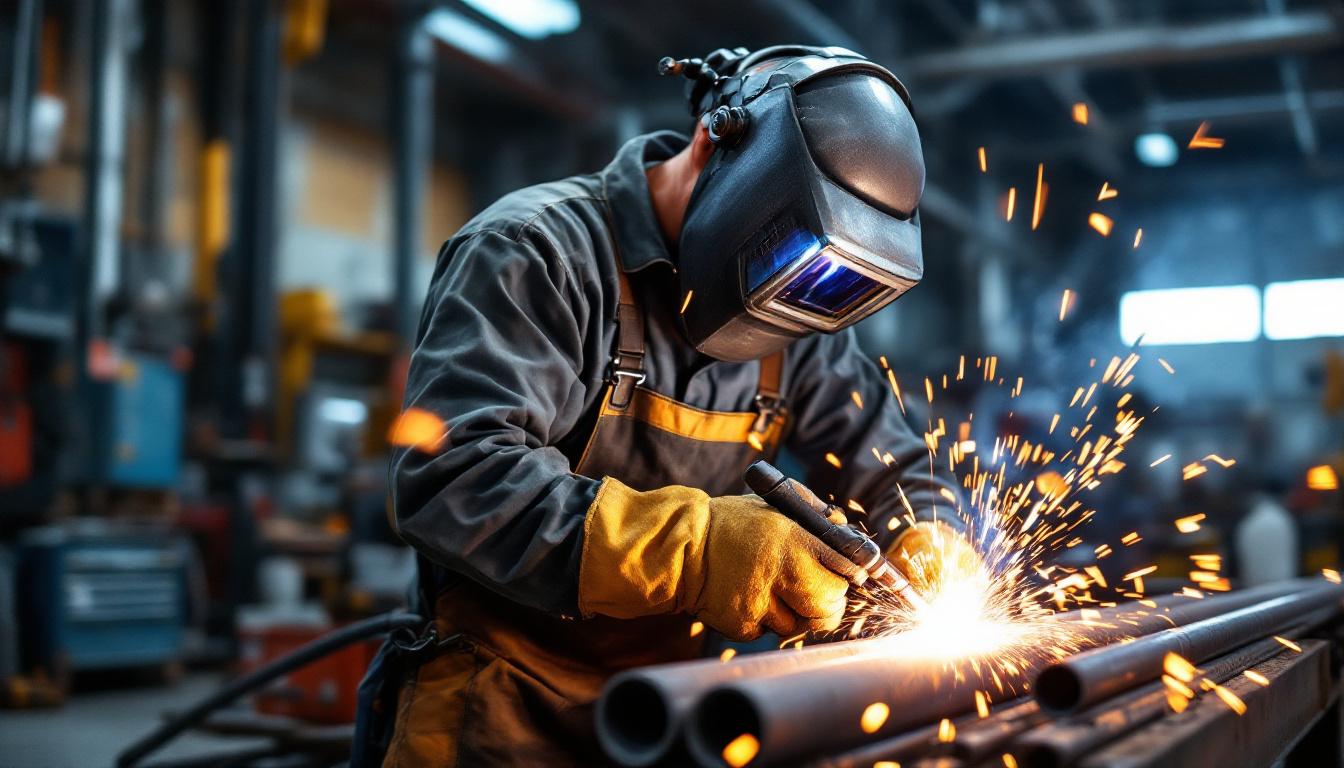
- Training covers different welding methods such as arc welding and oxy-fuel welding.
- Instruction progresses from fundamental skills to more advanced fabrication and repair techniques.
- Practical work often takes place in workshops or simulated industrial environments to prepare students for real job conditions.
How to get in
Admission to this certificate program generally requires a high school diploma or equivalent. The procedure is straightforward, focusing on basic eligibility and interest in technical trades.
- Applicants must typically have a high school diploma or GED.
- Some programs may require a basic skills assessment in math and reading.
- Interest in manual work and mechanical aptitude are important for success.
- Admission processes vary by institution but usually involve submitting an application and possibly attending an interview.
- Programs are open to recent high school graduates as well as adults seeking career changes.
Day to day
The daily rhythm of the certificate program balances classroom learning with practical workshops. Students spend significant time developing hands-on skills under instructor supervision.
- Classes include lectures on theory and safety, combined with practical welding and fabrication sessions.
- Students often work on projects that simulate real boilermaking tasks, such as assembling metal parts and interpreting blueprints.
- Some programs offer internships or cooperative training with local companies to gain workplace experience.
- The program may include group projects to develop teamwork and problem-solving skills.
- Attendance and active participation in workshops are essential for mastering the trade.
Careers this degree leads to
Graduates with this certificate can find work in various industries that require metal fabrication and maintenance. The job market generally offers opportunities in industrial settings.
- Common roles include boilermaker, metal fabricator, and industrial maintenance technician.
- Employment sectors include manufacturing plants, power generation facilities, shipyards, and construction companies.
- The demand for skilled workers in heavy industry means that job placement is generally favorable for graduates.
- Work often involves physically demanding tasks and adherence to safety regulations.
- Some graduates may advance to supervisory or specialized welding positions with experience.

Continuing your studies
After earning this certificate, students may choose to continue their education to enhance their skills or broaden their career options.
- Possible further studies include advanced diplomas or associate degrees in welding technology or industrial maintenance.
- Some may pursue certifications in specialized welding techniques or safety management.
- Transitioning to related fields like mechanical engineering technology is also an option with additional education.
- Continuing education can help with career advancement and access to higher-skilled positions.
Where to study this degree (4)


Liste des 4 établissements
- Ivy Tech Community CollegeIndianapolis
- Columbus State Community CollegeColumbus
- Henry Ford CollegeDearborn
- South Seattle CollegeSeattle
Frequently asked questions
What prior education do I need to apply?
You generally need a high school diploma or equivalent to apply. Some programs may ask for basic skills tests.
Is this certificate recognized across the United States?
Yes, this certificate is recognized in the US and prepares you for jobs in various industries nationwide.
Does the program include hands-on training?
Yes, practical workshops and hands-on training are a major part of the program to develop real-world skills.
Can I work while studying this certificate?
Programs vary, but many require full-time attendance due to the practical components, which may limit working hours.
What jobs can I get after completing this certificate?
You can work as a boilermaker, metal fabricator, or in industrial maintenance in sectors like manufacturing and construction.
Is there an option to continue studies after this certificate?
Yes, you can pursue advanced diplomas or associate degrees to specialize further or move into related fields.
Are there safety courses included in the program?
Safety training is an important part of the curriculum to ensure you can work safely in industrial environments.
Does the program offer internships or work placements?
Some programs include internships or cooperative training to provide real workplace experience.