Certificate in Agricultural Mechanization
This certificate teaches the basics of agricultural machinery operation and maintenance, preparing students for technical roles in farming and agricultural industries in the US.
About
The Certificate in Agricultural Mechanization is a postsecondary program designed for students interested in working with agricultural machinery and technology. It is aimed at those who want to develop practical skills in operating, maintaining, and repairing farm equipment. The program typically takes less than two years to complete and is suitable for recent high school graduates or those seeking to enhance their technical abilities in agriculture. Graduates can pursue technician roles in farms, agricultural service companies, or equipment dealerships. This certificate provides foundational knowledge that supports entry-level employment in the agricultural sector.
- The program focuses on agricultural machinery and its mechanical systems.
- It is intended for students aiming to work in farm equipment maintenance and operation.
- The certificate is completed in under two years after high school.
- Graduates can find roles as technicians or equipment operators in agriculture.
- The program suits those interested in practical, hands-on learning related to farming technology.
What you study
The curriculum combines theoretical knowledge with practical training to prepare students for real-world agricultural mechanization tasks. Early courses introduce basic mechanical principles, safety procedures, and an overview of common farm machinery. As students progress, they study engine systems, hydraulics, electrical components, and diagnostics. Hands-on workshops and labs form a significant part of the program, allowing students to practice repairs and maintenance on actual equipment. The program may include training on tractors, harvesters, irrigation systems, and other specialized agricultural tools. Practical experience is often gained through simulated environments or partnerships with local farms or equipment providers.
- Students start with basic mechanics and equipment safety.
- Intermediate courses cover engine repair and hydraulic systems.
- Advanced topics include electrical diagnostics and equipment troubleshooting.
- The program emphasizes hands-on labs and
. - Training often involves real farm machinery or simulated equipment.
- Students learn to maintain and repair tractors and harvesters.
How to get in
Admission to this certificate program generally requires a high school diploma or equivalent. Applicants should have a basic understanding of math and science, as these subjects support learning mechanical concepts. The application process typically involves submitting transcripts and may include an interview or placement tests to assess readiness. The program is open to students who demonstrate interest in agriculture and machinery, including those seeking a career change or technical skill upgrade. Community colleges and technical schools across the US offer this certificate, making it accessible to many students.
- High school diploma or equivalent is usually required.
- Basic skills in math and science are helpful.
- Application may include transcripts and placement tests.
- Applicants should show interest in agriculture and mechanics.
- The program is offered by community colleges and technical schools.
Day to day
A typical year in this certificate involves a mix of classroom learning, laboratory work, and sometimes field experience. Students attend lectures to understand theory and then apply it during practical sessions where they work directly on machinery. Some programs may offer internships or cooperative education opportunities with farms or agricultural businesses. The schedule usually follows a semester system, with a balance between courses focused on mechanical skills and those covering safety and equipment operation. Students may also complete projects that simulate real maintenance and repair challenges to build confidence and competence.
- The academic year combines lectures and hands-on labs.
- Students practice on real or simulated machinery.
- Some programs include internships or work placements.
- Workload follows a semester calendar with varied course types.
- Projects help develop problem-solving and
.
Careers this degree leads to
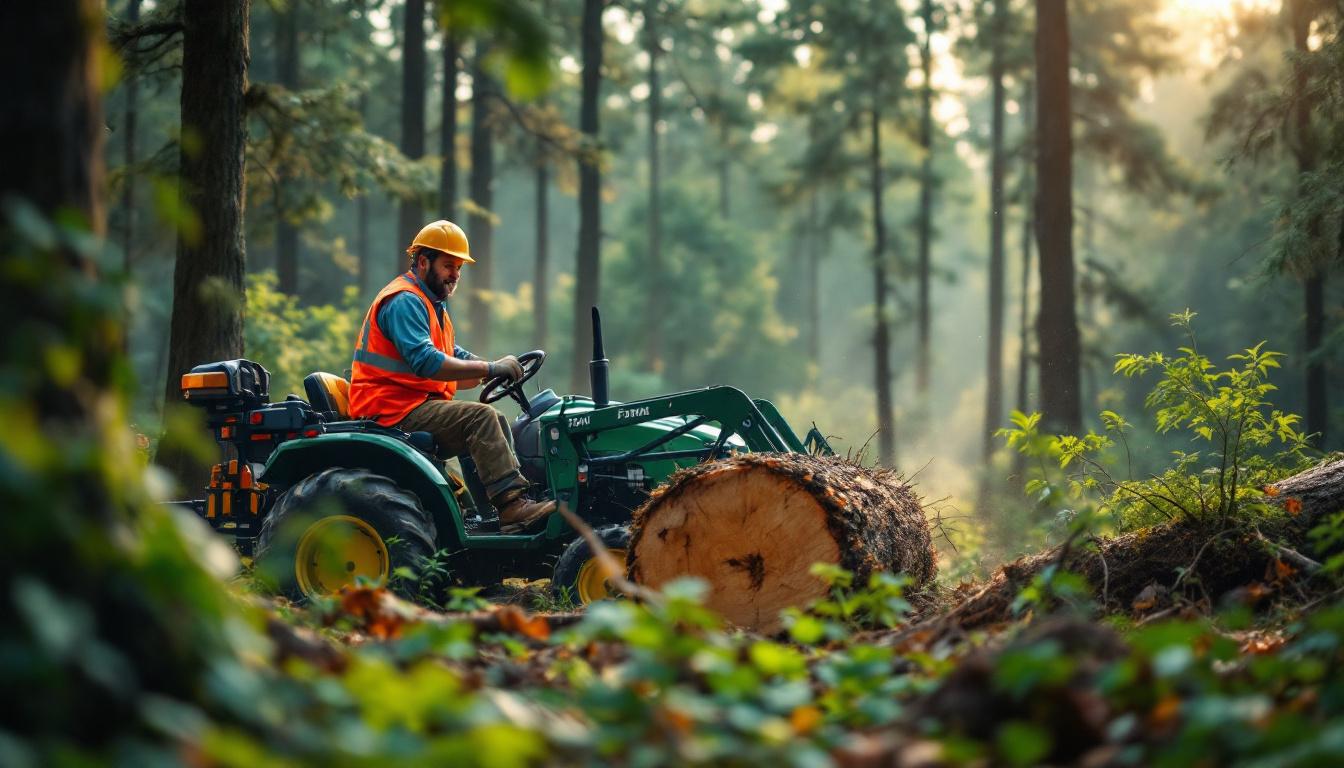
Graduates with this certificate can work as agricultural equipment technicians, machine operators, or maintenance assistants. They find employment in farms, agricultural equipment dealerships, repair shops, and companies providing agricultural services. The demand for skilled workers who can maintain and repair modern farming machinery is steady, as technology evolves in agriculture. Entry-level jobs often involve routine maintenance, troubleshooting, and assisting senior technicians. The certificate helps students enter the workforce relatively quickly, with opportunities to gain experience and advance in technical roles within the agricultural sector.
- Jobs include equipment technician and machine operator.
- Employment is found in farms and dealerships.
- Work also exists in repair shops and agricultural services.
- The sector values technical skills for machinery upkeep.
- Graduates typically start in entry-level maintenance roles.




Careers after further study
These careers require a higher level of study than this degree.






Continuing your studies
After earning the certificate, students may choose to continue their education in related fields such as agricultural technology, mechanical engineering technology, or precision agriculture. Many community colleges offer associate degrees that build on the skills gained during this certificate. Alternatively, students can pursue specialized training or certifications in equipment operation or diesel mechanics. The certificate also provides a foundation for career advancement through experience and additional education. Some may decide to shift toward broader agricultural studies or business management in agriculture.
- Students can pursue associate degrees in related fields.
- Further training in diesel mechanics or equipment operation is possible.
- The certificate supports career advancement with experience.
- Options exist to study agricultural technology or management.
Where to study this degree (99)















Liste des 99 établissements
- Montana State University–NorthernHavre
- Baker CollegeOwosso
- Fresno City CollegeFresno
- College of DuPageGlen Ellyn
- Northeast Iowa Community CollegeCalmar
- Tarleton State UniversityStephenville
- Northcentral Technical CollegeWausau
- Reedley CollegeReedley
- University of Northwestern OhioLima
- Merced CollegeMerced
- Southeast Community CollegeLincoln
- Iowa State UniversityAmes
- Parkland CollegeChampaign
- North Dakota State College of ScienceWahpeton
- Navarro CollegeCorsicana
- California Polytechnic State UniversitySan Luis Obispo
- Shasta CollegeRedding
- Lake Land CollegeMattoon
- Mitchell Technical CollegeMitchell
- North Carolina State UniversityRaleigh
- Rend Lake CollegeIna
- University of Missouri-ColumbiaColumbia
- Perry Technical InstituteYakima
- Owens Community CollegePerrysburg
- University of Puerto Rico-MayaguezMayaguez
- Garden City Community CollegeGarden City
- Sam Houston State UniversityHuntsville
- Southwest Wisconsin Technical CollegeFennimore
- Bakersfield CollegeBakersfield
- South Dakota State UniversityBrookings
- Purdue University West LafayetteWest Lafayette
- Modesto Junior CollegeModesto
- John Wood Community CollegeQuincy
- Illinois Central CollegeEast Peoria
- Kansas State UniversityManhattan
- Kishwaukee CollegeMalta
- Kirkwood Community CollegeCedar Rapids
- South Georgia Technical CollegeAmericus
- Fox Valley Technical CollegeAppleton
- Northwest Mississippi Community CollegeSenatobia
- Fort Scott Community CollegeFort Scott
- Hutchinson Community CollegeHutchinson
- Spoon River CollegeCanton
- University of IdahoMoscow
- State Technical College of MissouriLinn
- Abraham Baldwin Agricultural CollegeTifton
- Wake Technical Community CollegeRaleigh
- University of Wisconsin–River FallsRiver Falls
- University of Nebraska–LincolnLincoln
- Lincoln Land Community CollegeSpringfield
- North Dakota State UniversityFargo
- Iowa Lakes Community CollegeEstherville
- Madison Area Technical CollegeMadison
- Ivy Tech Community CollegeIndianapolis
- Hawkeye Community CollegeWaterloo
- South Central CollegeNorth Mankato
- Three Rivers CollegePoplar Bluff
- Fort Hays Tech North CentralBeloit
- Northwood Technical CollegeRice Lake
- Wilkes Community CollegeWilkesboro
- SUNY CobleskillCobleskill
- Butte CollegeOroville
- University of Minnesota CrookstonCrookston
- Utah State UniversityLogan
- Ridgewater CollegeWillmar
- Moberly Area Community CollegeMoberly
- Ohio State University Agricultural Technical InstituteWooster
- Oklahoma State University-Main CampusStillwater
- Glen Oaks Community CollegeCentreville
- Phillips Community College of the University of ArkansasHelena
- SUNY MorrisvilleMorrisville
- Alfred State CollegeAlfred
- University of Wisconsin–MadisonMadison
- Walla Walla Community CollegeWalla Walla
- Edison Community CollegePiqua
- Black Hawk CollegeMoline
- Rhodes State CollegeLima
- Stephen F. Austin State UniversityNacogdoches
- Feather River CollegeQuincy
- Snow CollegeEphraim
- Ranken Technical CollegeSaint Louis
- Blue Mountain Community CollegePendleton
- Madera Community CollegeMadera
- Hinds Community CollegeRaymond
- Cuesta CollegeSan Luis Obispo
- Dordt UniversitySioux Center
- Pratt Community CollegePratt
- Fletcher Technical Community CollegeSchriever
- College of the SequoiasVisalia
- Mississippi Delta Community CollegeMoorhead
- Louisiana Delta Community CollegeMonroe
- Central Arizona CollegeCoolidge
- Athens Technical CollegeAthens
- Tillamook Bay Community CollegeTillamook
- Sinclair Community CollegeDayton
- San Joaquin Delta CollegeStockton
- Northland Community and Technical CollegeThief River Falls
- Chippewa Valley Technical CollegeEau Claire
- Ellsworth Community CollegeIowa Falls
Frequently asked questions
What prior knowledge do I need before starting this certificate?
Basic understanding of math and science helps, especially topics related to mechanics. However, the program starts with foundational concepts to support all students.
Can I work while studying this certificate?
Many students balance part-time jobs with their studies. The program schedule often allows for this, but practical sessions require attendance during set hours.
Is hands-on experience included in the program?
Yes, practical workshops and labs are a major part of the curriculum, giving students direct experience with agricultural machinery.
Are internships mandatory for this certificate?
Internships or work placements may be offered but are not always required. They provide valuable real-world experience when available.
What types of machines will I learn to work on?
Students typically learn about tractors, harvesters, irrigation equipment, and other common farm machinery.
Can this certificate lead to further studies?
Yes, it can serve as a stepping stone to associate degrees or specialized technical training in agriculture or mechanics.
Is this certificate recognized nationwide in the US?
The certificate is offered by accredited community colleges and technical schools across the US, making it widely recognized in the agricultural sector.
Does the program include training on new agricultural technologies?
The curriculum covers current machinery and may include emerging technologies, preparing students for modern agricultural practices.
