Bachelor's Degree in Plant Sciences
This 4-year Bachelor's Degree in Plant Sciences teaches about plant biology, ecology, and agriculture, preparing students for careers in research, farming, or environmental management.
About
The Bachelor's Degree in Plant Sciences is a four-year undergraduate program offered in the United States. It is designed for students interested in understanding plants from biological, ecological, and agricultural perspectives. This degree suits those who enjoy science and nature and want to work in areas related to plants, such as agriculture, environmental conservation, or scientific research.
- The program covers the study of plant biology, genetics, and ecology to understand plant life and growth.
- It prepares students for roles in agriculture, horticulture, environmental agencies, or research institutions.
- Students develop skills in laboratory work, field studies, and data analysis related to plants.
- The degree also supports further studies in related fields or specialized research.
- It is accessible to high school graduates with a strong interest in science subjects.
What you study
The curriculum spans four years, gradually building knowledge and practical skills in plant sciences. Early years focus on foundational sciences, while later years deepen specialization and applied learning.
- In the first years, students study biology, chemistry, and plant physiology to grasp basic scientific principles.
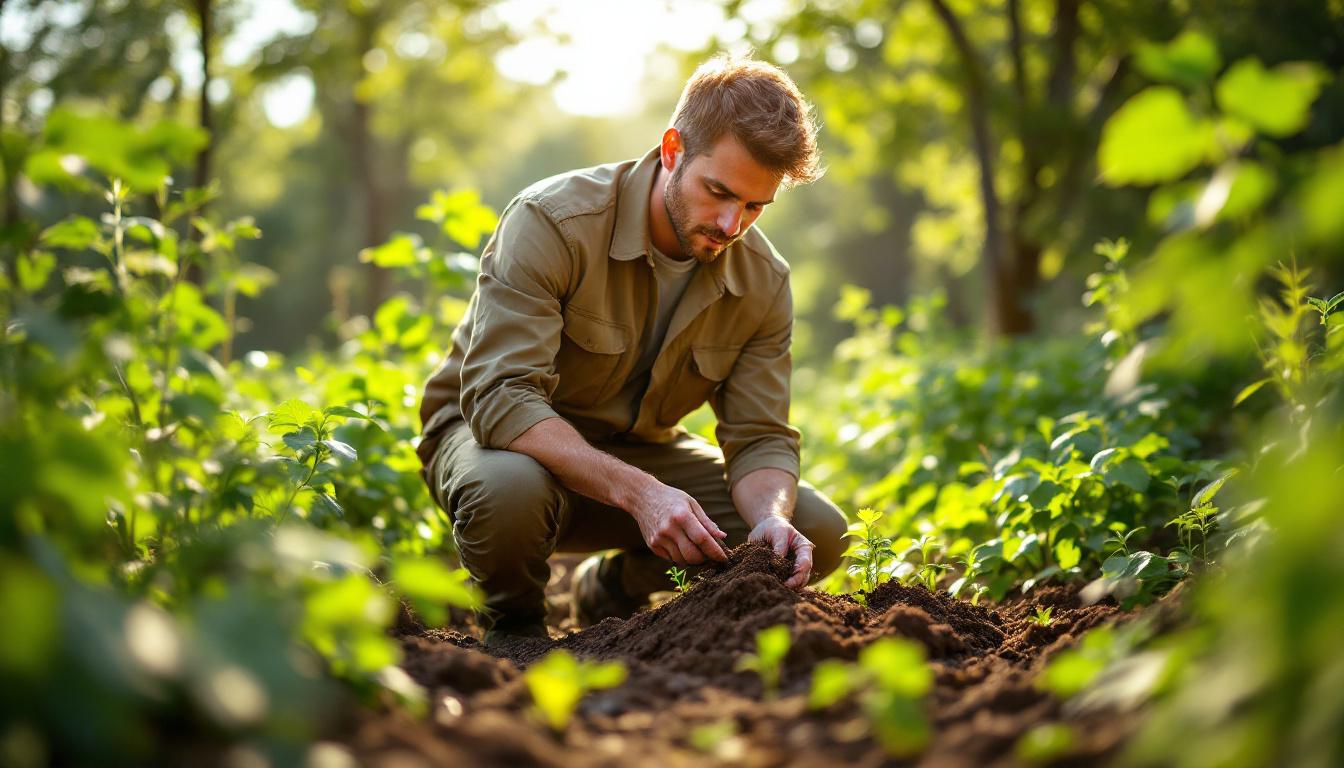
- Intermediate courses include genetics, ecology, and soil science, linking plant biology to environmental factors.
- Advanced classes cover crop management, plant pathology, and biotechnology applications.
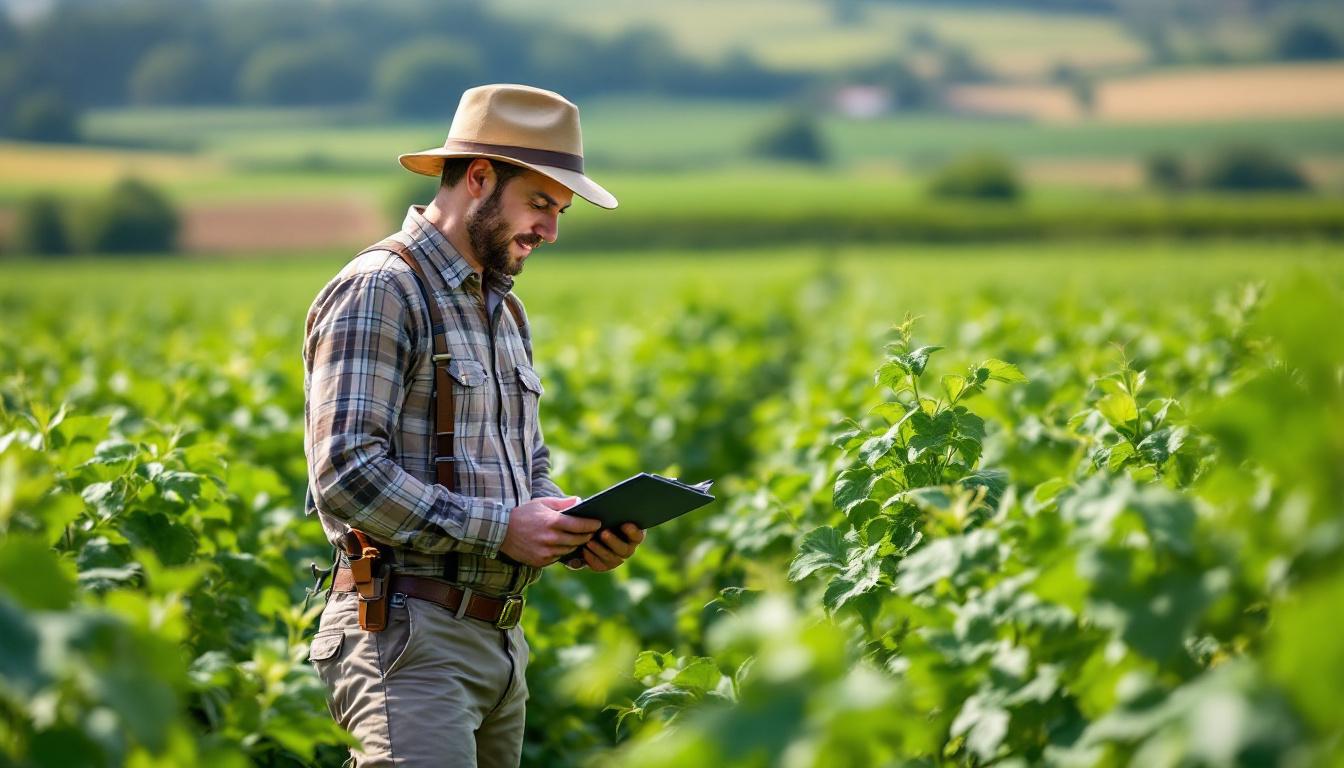
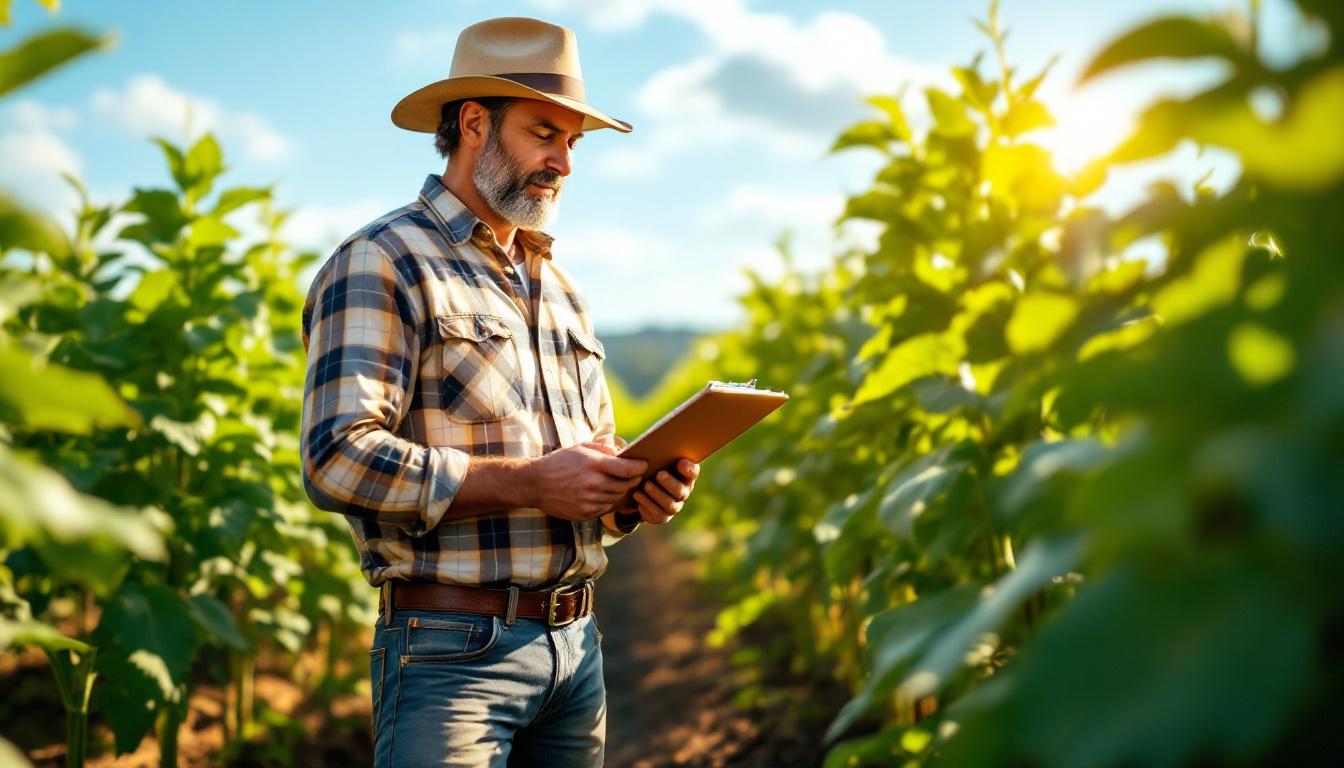
- Practical work involves laboratory experiments and fieldwork to study plant growth and health.
- Students often engage in projects analyzing plant responses to environmental changes or improving cultivation techniques.
- The program may include seminars and group work to develop communication and research skills.
How to get in
Admission to this bachelor's degree typically requires a high school diploma with a focus on science subjects. The process involves applying through the university's admission system, often via the Common Application.
- Applicants should have completed courses in biology, chemistry, and mathematics at the high school level.
- Universities may consider academic records, standardized test scores, and personal statements.
- Some programs might require letters of recommendation or interviews.
- Students interested in plant sciences should demonstrate a clear motivation for the field.
- Admission is generally open to all qualified high school graduates, with some programs being more competitive depending on the institution.
Day to day
A typical academic year combines lectures, practical sessions, and projects. Students balance theoretical learning with hands-on experiences to understand plant sciences deeply.
- Weekly schedules include lectures on plant biology and related sciences.
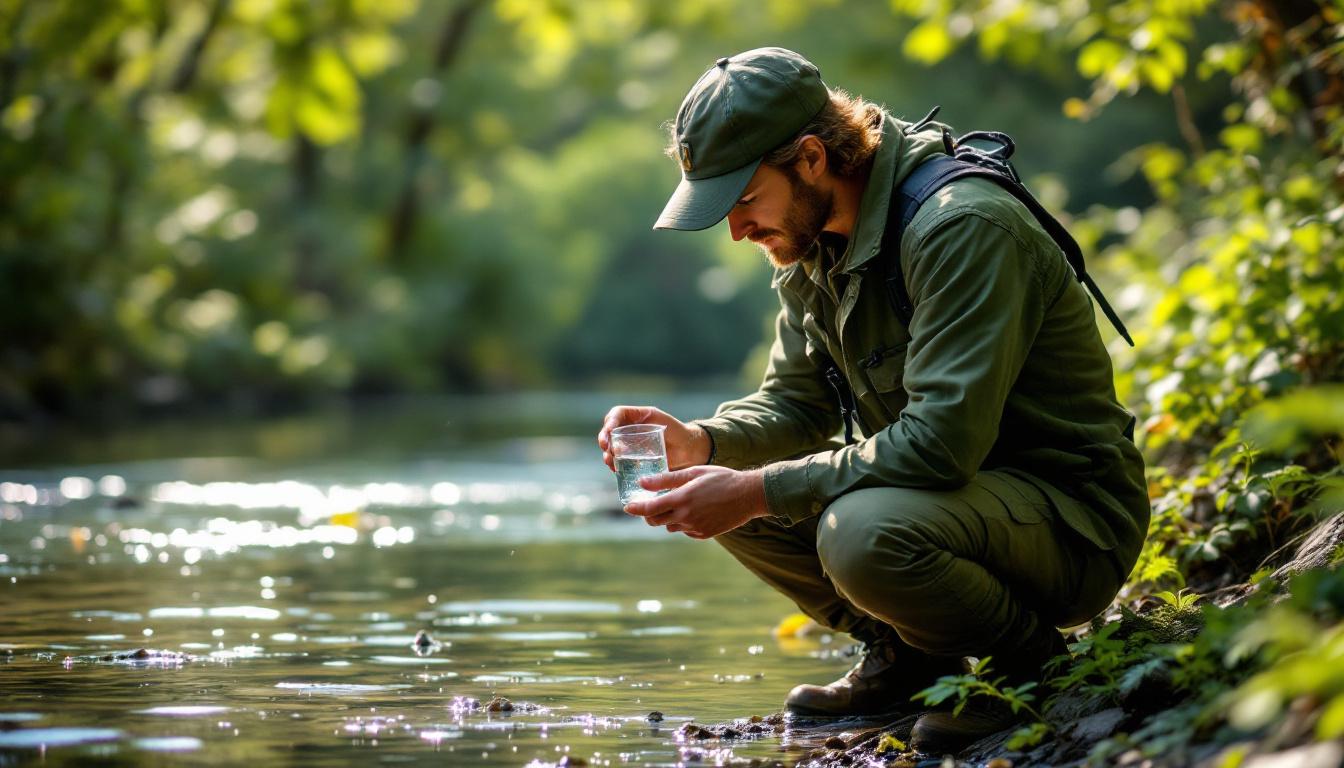
- Laboratory sessions allow students to conduct experiments and analyze plant samples.
- Field trips provide real-world exposure to ecosystems and agricultural settings.
- Students often participate in research projects or group assignments to develop teamwork and problem-solving skills.
- Internships or summer placements in farms, research centers, or environmental organizations may be encouraged to gain practical experience.
- While formal alternance (work-study) programs are uncommon, students can seek part-time work or volunteering opportunities related to plant sciences.
Careers this degree leads to
Graduates can pursue various careers related to plants, agriculture, and the environment. The degree opens doors to jobs in both public and private sectors.
- Possible roles include agronomist, plant researcher, and environmental consultant.
- Employment sectors cover agriculture, horticulture, environmental agencies, and biotechnology companies.
- Work may involve improving crop yields, studying plant diseases, or managing natural habitats.
- The job market generally offers opportunities, especially for those willing to work in research or applied sciences.
- Some graduates find positions in education, extension services, or governmental bodies focused on natural resources.




Careers after further study
These careers require a higher level of study than this degree.

Continuing your studies
After completing the bachelor's degree, students can continue their studies to specialize further or shift focus within life sciences.
- Common options include pursuing a master's degree in plant sciences, agriculture, or environmental science.
- Graduate studies often involve research projects and can lead to careers in academia or advanced industry roles.
- Students may also explore related fields such as biotechnology or ecology.
- Alternatively, some graduates choose to enter the workforce directly to gain experience before considering further education.
Where to study this degree (162)





Liste des 162 établissements
- Tuskegee UniversityTuskegee
- Auburn UniversityAuburn
- Cuesta CollegeSan Luis Obispo
- University of Hawaiʻi at MānoaHonolulu
- Texas A&M University – KingsvilleKingsville
- College of the SequoiasVisalia
- Indian River State CollegeFort Pierce
- North Carolina State UniversityRaleigh
- Iowa State UniversityAmes
- West Texas A&M UniversityCanyon
- Oregon State UniversityCorvallis
- Colorado State University-Fort CollinsFort Collins
- California State University, FresnoFresno
- California Polytechnic State UniversitySan Luis Obispo
- Kansas State UniversityManhattan
- University of FloridaGainesville
- University of Nebraska–LincolnLincoln
- Virginia TechBlacksburg
- Missouri State UniversitySpringfield
- University of Missouri-ColumbiaColumbia
- Texas A & M University-College StationCollege Station
- Texas Tech UniversityLubbock
- South Dakota State UniversityBrookings
- Pennsylvania State University-Main CampusUniversity Park
- University of Tennessee at KnoxvilleKnoxville
- University of Massachusetts-AmherstAmherst
- West Virginia UniversityMorgantown
- Mississippi State UniversityStarkville
- University of Puerto Rico-MayaguezMayaguez
- California State Polytechnic UniversityPomona
- SUNY CobleskillCobleskill
- University of Minnesota-Twin CitiesMinneapolis
- California State University, Monterey BaySeaside
- Ohio State University-Main CampusColumbus
- University of GeorgiaAthens
- University of Illinois Urbana-ChampaignUrbana
- University of California-DavisDavis
- Northwest Missouri State UniversityMaryville
- Michigan State UniversityEast Lansing
- University of Wisconsin–MadisonMadison
- University of Wisconsin–PlattevillePlatteville
- Washington State UniversityPullman
- University of WyomingLaramie
- SUNY MorrisvilleMorrisville
- University of IdahoMoscow
- California State University, ChicoChico
- University of Wisconsin–River FallsRiver Falls
- Chadron State CollegeChadron
- Oklahoma State University-Main CampusStillwater
- Clemson UniversityClemson
- University of VermontBurlington
- Louisiana State University and Agricultural & Mechanical CollegeBaton Rouge
- Cornell UniversityIthaca
- New Mexico State UniversityLas Cruces
- Middle Tennessee State UniversityMurfreesboro
- Utah State UniversityLogan
- Sam Houston State UniversityHuntsville
- Saint Joseph's UniversityPhiladelphia
- Purdue University West LafayetteWest Lafayette
- Southeast Missouri State UniversityCape Girardeau
- Montana State UniversityBozeman
- University of Minnesota CrookstonCrookston
- North Dakota State UniversityFargo
- Northeast Community CollegeNorfolk
- Arkansas State UniversityJonesboro
- Treasure Valley Community CollegeOntario
- University of ArkansasFayetteville
- Rutgers University-New BrunswickNew Brunswick
- Mitchell Technical CollegeMitchell
- University of California-Santa CruzSanta Cruz
- Ohio State University Agricultural Technical InstituteWooster
- University of KentuckyLexington
- University of Maryland-College ParkCollege Park
- Chippewa Valley Technical CollegeEau Claire
- University of ConnecticutStorrs
- Illinois Valley Community CollegeOglesby
- University of DelawareNewark
- Northcentral Technical CollegeWausau
- Sheridan CollegeSheridan
- Capital Community CollegeHartford
- Southern Illinois University CarbondaleCarbondale
- Miles Community CollegeMiles City
- Fox Valley Technical CollegeAppleton
- Delaware Valley CollegeDoylestown
- University of CincinnatiCincinnati
- University of Nevada, RenoReno
- Oklahoma Panhandle State UniversityGoodwell
- Fort Valley State UniversityFort Valley
- Shepherds CollegeUnion Grove
- Northwest Arkansas Community CollegeBentonville
- Athens Technical CollegeAthens
- Southwest Wisconsin Technical CollegeFennimore
- Kishwaukee CollegeMalta
- University of Arkansas Community College at BatesvilleBatesville
- Cal Poly HumboldtArcata
- Cuyahoga Community CollegeCleveland
- Casper CollegeCasper
- University of MaineOrono
- College of the OzarksPoint Lookout
- Southwest Minnesota State UniversityMarshall
- University of Mount OliveMount Olive
- Ridgewater CollegeWillmar
- Temple UniversityPhiladelphia
- Riverland Community CollegeAustin
- Southwestern Community CollegeCreston
- Allan Hancock CollegeSanta Maria
- Laramie County Community CollegeCheyenne
- University of ArizonaTucson
- Mid-State Technical CollegeWisconsin Rapids
- Minnesota State University, MankatoMankato
- University of California-BerkeleyBerkeley
- Woodland Community CollegeWoodland
- Oregon State University CascadesBend
- Huntington UniversityHuntington
- Central Wyoming CollegeRiverton
- Mercer County Community CollegeWest Windsor
- Chemeketa Community CollegeSalem
- Leeward Community CollegePearl City
- Bergen Community CollegeParamus
- Vincennes UniversityVincennes
- Northwest CollegePowell
- Mt. San Antonio CollegeWalnut
- Mississippi Delta Community CollegeMoorhead
- Kankakee Community CollegeKankakee
- Santa Rosa Junior CollegeSanta Rosa
- Indian Hills Community CollegeOttumwa
- Missouri State University–West PlainsWest Plains
- Barton County Community CollegeGreat Bend
- Century CollegeWhite Bear Lake
- Rhodes State CollegeLima
- Sussex County Community CollegeNewton
- Dordt UniversitySioux Center
- Triton CollegeRiver Grove
- Stephen F. Austin State UniversityNacogdoches
- Lorain County Community CollegeElyria
- Hinds Community CollegeRaymond
- Arizona Western CollegeYuma
- South Florida State CollegeAvon Park
- Southern State Community CollegeHillsboro
- Central Lakes College-BrainerdBrainerd
- Eastern Wyoming CollegeTorrington
- Cochise CollegeSierra Vista
- Minnesota West Community & Technical CollegeGranite Falls
- Little Big Horn CollegeCrow Agency
- University of Washington-Seattle CampusSeattle
- Beal CollegeBangor
- Butte CollegeOroville
- Shasta CollegeRedding
- North Dakota State College of ScienceWahpeton
- Pennsylvania State University-World CampusUniversity Park
- Ozarka CollegeMelbourne
- North Iowa Area Community CollegeMason City
- Holyoke Community CollegeHolyoke
- Eastern Iowa Community CollegeDavenport
- Andrews UniversityBerrien Springs
- Dodge City Community CollegeDodge City
- Diné CollegeTsaile
- Tarleton State UniversityStephenville
- Western Nebraska Community CollegeScottsbluff
- Langston UniversityLangston
- Northland Community and Technical CollegeThief River Falls
- Iowa Central Community CollegeFort Dodge
Frequently asked questions
What background do I need to apply for this degree?
You need a high school diploma with strong courses in biology, chemistry, and math. Universities look for good academic records and motivation in plant sciences.
Are there practical experiences included in the program?
Yes, the program includes laboratory work, field trips, and research projects to give hands-on experience with plants and ecosystems.
Can I work while studying this degree?
Formal work-study programs are rare, but you can seek internships or part-time jobs related to plant sciences to gain experience.
What kind of jobs can I get after graduation?
Graduates can work as agronomists, plant researchers, environmental consultants, or in horticulture and biotechnology sectors.
Is this degree suitable for students who want to continue studying?
Yes, it prepares you well for master's programs in plant sciences, agriculture, or environmental fields if you want to specialize further.
How selective is admission to this program?
Admission is selective, depending on the university, and requires a solid science background and motivation.
Does the program include courses on biotechnology?
Yes, advanced years often include biotechnology courses related to plant science applications.
Can I study this degree if I am not from the US?
International students can apply but must meet admission requirements and visa regulations of US universities.