Bachelor's Degree in Movement and Mind-Body Therapies and Education
This bachelor's degree teaches movement and mind-body therapies, preparing students for careers in holistic health and education fields.
About
This bachelor's degree in Movement and Mind-Body Therapies and Education is designed for students interested in understanding how physical movement and mental well-being are connected. It is suitable for those who want to work in health, wellness, or educational settings focusing on holistic approaches. The program combines theory and practice to help students develop skills in various therapeutic and educational techniques related to body and mind.
- The degree lasts four years and leads to a bachelor's level qualification.
- It prepares students for roles such as wellness coaches, movement therapists, or educators in mind-body disciplines.
- The curriculum emphasizes both scientific knowledge and practical skills.
- Students learn about anatomy, psychology, and different movement therapies.
- The program suits those interested in promoting health through non-medical, holistic methods.
What you study
The program covers a broad range of subjects that evolve over the four years, balancing theory and hands-on practice. Students start with foundational courses before moving to specialized topics.
- Early years focus on basic anatomy, psychology, and introduction to movement principles.
- Later years include advanced study of mind-body therapies such as yoga, tai chi, or meditation techniques.
- Students engage in practical workshops to apply therapeutic methods.
- The curriculum integrates education methods to prepare for teaching or coaching roles.
- Hands-on experience is gained through project work and supervised practice sessions.
- The program encourages development of communication and observation skills essential for therapy and education.
How to get in
Admission to this bachelor's degree in the United States generally requires a high school diploma or equivalent. The process involves submitting an application through the college or university's admission office.
- Applicants need to provide transcripts from secondary education.
- Some programs may ask for a personal statement explaining interest in mind-body therapies.
- Standardized test scores might be required depending on the institution.
- Interviews or auditions can be part of the selection process for some schools.
- Students with a background in health, sports, or psychology may be particularly welcomed.
- The program is open to students motivated to work in holistic health and education.
Day to day
The academic year is structured around lectures, practical sessions, and projects. Students often balance classroom learning with hands-on experiences.
- Weekly schedules combine theoretical classes and practical workshops.
- Students participate in group projects to develop teamwork and applied skills.
- Internships or fieldwork may be part of the curriculum to gain real-world experience.
- Some programs offer opportunities for community outreach or wellness events.
- Students manage assignments, presentations, and exams throughout the year.
- Time management is important to balance study and practice.
Careers this degree leads to
Graduates can work in various sectors related to health, wellness, and education. The degree opens doors to roles that focus on improving physical and mental well-being through movement and therapy.
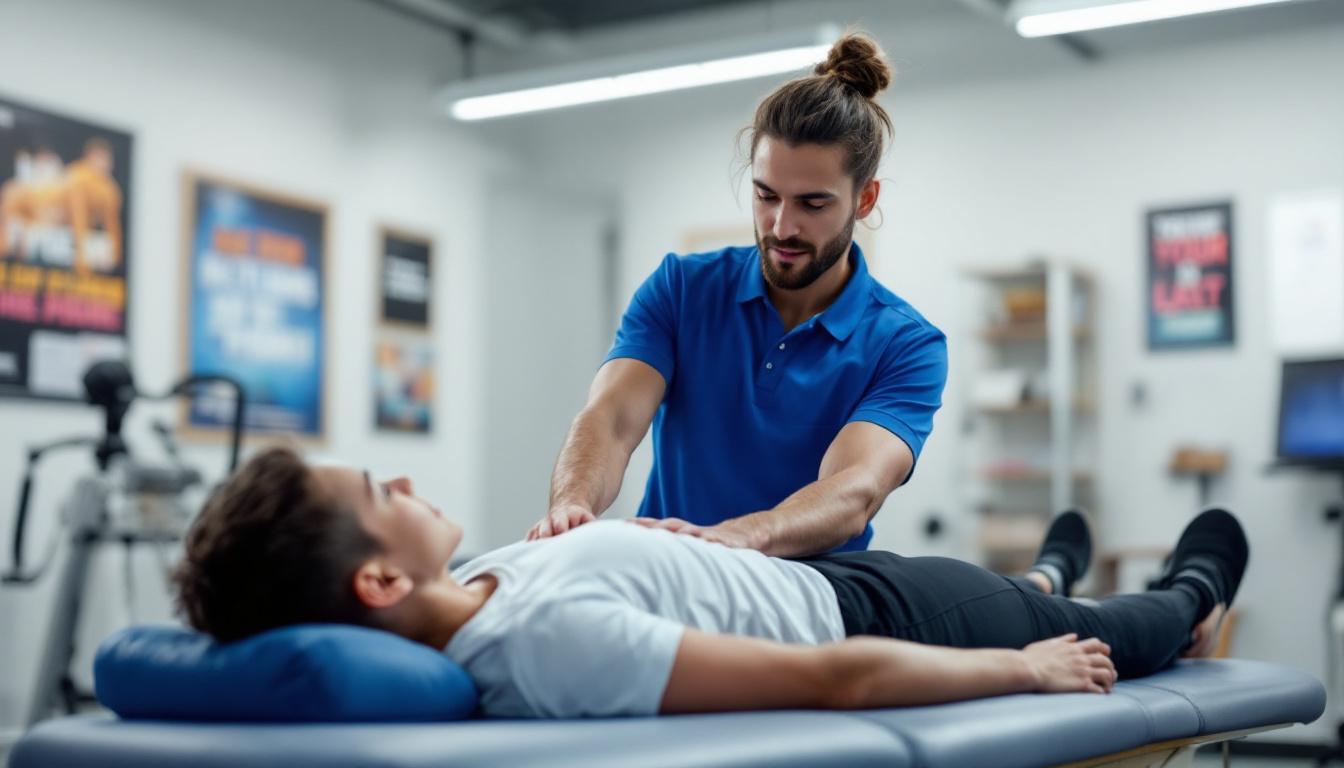
- Possible jobs include movement therapist, wellness coach, or mind-body educator.
- Employment settings may be wellness centers, schools, or private practices.
- The job market values practical skills and understanding of holistic health.
- Many graduates find work in community health programs or fitness studios.
- Insertion into the workforce is generally facilitated by internships and practical experience gained during studies.
- Continued professional development is common to keep up with new therapeutic approaches.





Careers after further study
These careers require a higher level of study than this degree.



Continuing your studies
After completing this bachelor's degree, students may choose to continue their studies or specialize further. Graduate programs can deepen knowledge or open new career paths.
- Options include master's degrees in physical therapy, psychology, or education.
- Some pursue certifications in specific mind-body techniques.
- Others may opt for training in related health fields or wellness coaching.
- Changing direction toward healthcare professions is possible with additional studies.
Where to study this degree (27)






Liste des 27 établissements
- Community College of Beaver CountyMonaca
- Oakton Community CollegeDes Plaines
- Antioch UniversityYellow Springs
- Texas Christian UniversityFort Worth
- Maryland University of Integrative HealthLaurel
- York College, City University of New YorkJamaica
- Loyola Marymount UniversityLos Angeles
- Scottsdale Community CollegeScottsdale
- Antioch University New EnglandKeene
- University of North Carolina at Chapel HillChapel Hill
- Pacific College of Oriental MedicineSan Diego
- Portland Community CollegePortland
- Naropa UniversityBoulder
- Southeastern UniversityLakeland
- West Chester UniversityWest Chester
- Saint Paul CollegeSaint Paul
- University of CincinnatiCincinnati
- Thomas Jefferson UniversityPhiladelphia
- Highland Community College - KansasHighland
- Columbia College ChicagoChicago
- Queensborough Community College, CUNYBayside
- Cincinnati State Technical and Community CollegeCincinnati
- Adler UniversityChicago
- Bellingham Technical CollegeBellingham
- Moraine Valley Community CollegePalos Hills
- Plymouth State UniversityPlymouth
- College of Lake CountyGrayslake
Frequently asked questions
What prior knowledge is needed to enter this program?
Students typically need a high school diploma. A background in biology or health can help but is not always required.
Are there practical experiences included in the studies?
Yes, the program includes workshops, projects, and often internships to apply what students learn in real settings.
Can I work while studying this degree?
Many students manage part-time work, but the program requires commitment to both theory and practice.
Is this degree recognized for professional practice?
It prepares students for careers in wellness and education, but some roles may require additional certification.
What kind of jobs can I get after graduation?
Graduates work as movement therapists, wellness coaches, educators, or in related health and fitness roles.
Can I continue my studies after this bachelor's degree?
Yes, many graduates pursue master's degrees or specialized certifications to advance their careers.
Is the program competitive to get into?
Admission is selective, often based on academic records and motivation for the field.
Does the program include training in specific therapies like yoga or meditation?
Yes, students learn about various mind-body therapies, including practices like yoga and meditation.
