Bachelor's Degree in Geography and Cartography
A Bachelor's Degree in Geography and Cartography teaches spatial analysis and map-making techniques, preparing students for careers in environmental planning, GIS, and geographic research.
About
This Bachelor's Degree in Geography and Cartography is a four-year undergraduate program offered in the United States. It is designed for students interested in understanding the Earth's physical features, human-environment interactions, and the technical skills needed to create and interpret maps. The degree suits those who enjoy working with data, technology, and spatial information. Graduates can pursue careers in fields like geographic information systems (GIS), urban planning, environmental consulting, and cartography. The program combines theoretical knowledge with practical applications to prepare students for diverse roles involving geographic data analysis and map production.
- The degree lasts four years and leads to a bachelor's level qualification.
- It is aimed at students interested in geography, spatial analysis, and map-making.
- Graduates can work in environmental agencies, urban planning, or GIS companies.
- The program combines scientific concepts with technical skills in cartography and data management.
- It prepares students for both professional roles and further studies in related fields.
What you study
The program covers a broad range of topics related to geography and cartography, progressing from foundational concepts to advanced techniques over four years. Students learn about physical geography, human geography, and spatial data analysis. They also develop skills in geographic information systems (GIS), remote sensing, and digital mapping. Practical work is an important part of the curriculum, including lab sessions and projects that involve real-world data. Early years focus on understanding geographic principles and basic mapping, while later years emphasize technical proficiency and specialized applications like spatial modeling and cartographic design.
- Courses include physical geography, human geography, and GIS technology.
- Students gain practical experience with mapping software and data analysis tools.
- The curriculum advances from basic concepts to complex spatial techniques over the four years.
- Hands-on projects and labs help develop technical skills in cartography and spatial data management.
- Some courses cover remote sensing and environmental applications of geography.
- The program encourages teamwork through group projects and presentations.
How to get in
Admission to a Bachelor's Degree in Geography and Cartography in the US typically requires a high school diploma or equivalent. The process usually involves submitting an application through the university's admission system, which may include standardized test scores, transcripts, and personal statements. Universities look for students with strong skills in science, math, and technology, as these are important for understanding geographic data and using mapping tools. Interest in environmental issues, geography, or computer applications is also valued. Some programs may require or recommend prior coursework in geography or related subjects.
- Applicants need a high school diploma or equivalent for admission.
- The application process often includes transcripts and sometimes standardized test scores.
- Strong skills in math and science are helpful for success.
- Interest in geography and technology is important.
- Some programs may suggest prior geography coursework but it is not always required.
- Universities assess motivation and academic readiness through essays or interviews.
Day to day
A typical academic year in this program includes a mix of lectures, practical labs, and project work. Students attend classes where they learn geographic theories and technical methods. They spend time in computer labs practicing GIS software and creating maps. Group projects and presentations are common, helping students develop teamwork and communication skills. Internships or fieldwork opportunities may be available to gain real-world experience, though these depend on the institution. The program does not usually offer formal alternating work-study arrangements but encourages students to seek internships during summer breaks.
- The year combines lectures, labs, and project work.
- Students practice with GIS software and mapping tools in computer labs.
- Group projects develop collaboration and presentation skills.
- Some programs offer internships or fieldwork opportunities.
- Students manage a steady workload with assignments and exams throughout the year.
- Alternance or formal work-study is generally not typical but internships are encouraged.
Careers this degree leads to
Graduates with this degree can find jobs in various sectors that use geographic data and mapping. Common roles include GIS technician, cartographer, urban planner assistant, environmental analyst, and geographic researcher. Employers range from government agencies and environmental organizations to private companies in urban development, transportation, and technology. The job market generally offers opportunities, especially for those with strong technical skills and practical experience. Entry-level positions often involve data analysis, map production, and supporting planning projects. Career growth may require additional training or specialization.
- Jobs include GIS technician, cartographer, and urban planning assistant.
- Employers are found in government, environmental groups, and private companies.
- The degree supports work in transportation, urban development, and research.
- Entry-level roles focus on data analysis and map creation.
- Strong technical skills improve job prospects and career advancement.
- Some graduates continue with specialized training for higher positions.






Careers after further study
These careers require a higher level of study than this degree.





Continuing your studies
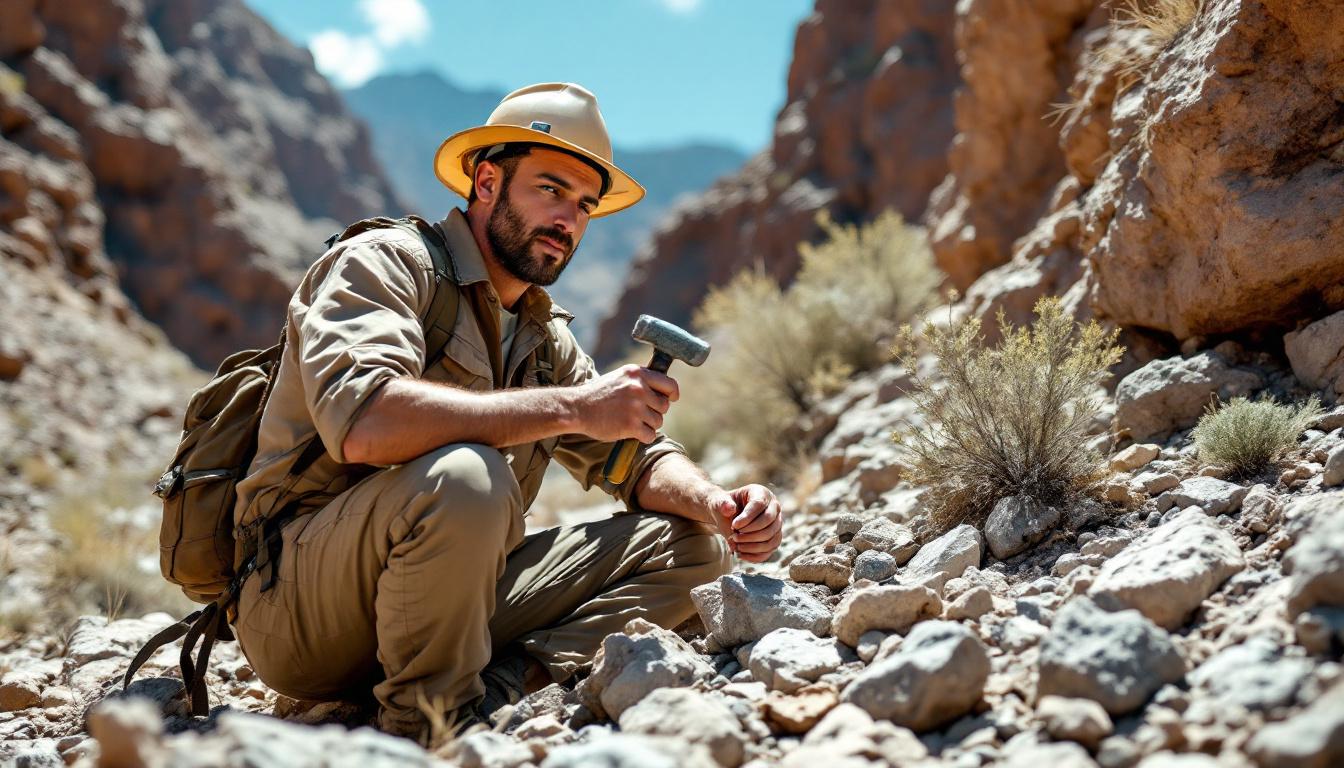
After earning this bachelor's degree, students may choose to continue their studies with a master's degree in geography, GIS, urban planning, environmental science, or related fields. Graduate programs allow for deeper specialization and can open doors to research roles or higher-level positions in industry and government. Some students may also pursue certifications in GIS technology or cartography to enhance their professional skills. Alternatively, graduates can explore related disciplines if they wish to shift focus, such as environmental management or data science.
- Possible next steps include master's degrees in geography or GIS.
- Graduate studies offer specialization in areas like urban planning or environmental science.
- Professional certifications in GIS can improve job prospects.
- Some graduates explore related fields like data science or environmental management.
- Further education can lead to roles in research or higher-level positions.
Where to study this degree (200)






Liste des 200 établissements
- San Diego Miramar CollegeSan Diego
- Community College of Baltimore CountyBaltimore
- Duke UniversityDurham
- Boise State UniversityBoise
- Southern Illinois University CarbondaleCarbondale
- Modesto Junior CollegeModesto
- The University of Texas at El PasoEl Paso
- University of DelawareNewark
- Macalester CollegeSaint Paul
- Cabrillo CollegeAptos
- Northern Kentucky UniversityHighland Heights
- North Carolina State UniversityRaleigh
- University of MiamiCoral Gables
- University of North DakotaGrand Forks
- University of Northern ColoradoGreeley
- Texas A&M University – Corpus ChristiCorpus Christi
- Northeastern State UniversityTahlequah
- Texas State UniversitySan Marcos
- University of Colorado BoulderBoulder
- Tarleton State UniversityStephenville
- Cape Cod Community CollegeWest Barnstable
- California State University, Long BeachLong Beach
- University of GeorgiaAthens
- Chicago State UniversityChicago
- University of PennsylvaniaPhiladelphia
- Antioch UniversityYellow Springs
- Indiana University BloomingtonBloomington
- Stetson UniversityDeLand
- University of Southern MainePortland
- University of Nebraska at OmahaOmaha
- University of Southern MississippiHattiesburg
- Wilmington UniversityNew Castle
- Pennsylvania State University-World CampusUniversity Park
- Arizona State University Digital ImmersionScottsdale
- Oregon State UniversityCorvallis
- University of Washington-Seattle CampusSeattle
- University of Southern CaliforniaLos Angeles
- University of California-Santa BarbaraSanta Barbara
- James Madison UniversityHarrisonburg
- University of FloridaGainesville
- University of ArizonaTucson
- University of California-Los AngelesLos Angeles
- University of Wisconsin–MadisonMadison
- Northwest Missouri State UniversityMaryville
- Portland Community CollegePortland
- Texas A & M University-College StationCollege Station
- Arizona State University Campus ImmersionTempe
- Brigham Young UniversityProvo
- University of DenverDenver
- United States Military AcademyWest Point
- Kennesaw State UniversityKennesaw
- The University of Texas at AustinAustin
- San Diego State UniversitySan Diego
- University of Minnesota-Twin CitiesMinneapolis
- Ohio State University-Main CampusColumbus
- Sonoma State UniversityRohnert Park
- Grand Valley State UniversityAllendale
- University of Colorado Denver/Anschutz Medical CampusDenver
- University of Colorado Colorado SpringsColorado Springs
- University of Maryland-College ParkCollege Park
- Lone Star CollegeThe Woodlands
- California State University, SacramentoSacramento
- Virginia TechBlacksburg
- Austin Community CollegeAustin
- California State Polytechnic UniversityPomona
- University of North TexasDenton
- University of UtahSalt Lake City
- Park UniversityParkville
- University of North Carolina at CharlotteCharlotte
- Rowan UniversityGlassboro
- Florida Atlantic UniversityBoca Raton
- Appalachian State UniversityBoone
- California State University, NorthridgeNorthridge
- University of WyomingLaramie
- University of Wisconsin–Eau ClaireEau Claire
- University of North Carolina at Chapel HillChapel Hill
- United States Air Force AcademyUSAF Academy
- University of OregonEugene
- The University of MontanaMissoula
- Michigan State UniversityEast Lansing
- Front Range Community CollegeWestminster
- George Washington UniversityWashington
- University at BuffaloBuffalo
- University of VermontBurlington
- College of Southern IdahoTwin Falls
- University of ConnecticutStorrs
- Illinois State UniversityNormal
- California State University, FullertonFullerton
- West Chester UniversityWest Chester
- Temple UniversityPhiladelphia
- University of Tennessee at KnoxvilleKnoxville
- Clark UniversityWorcester
- University of North AlabamaFlorence
- Minnesota State University, MankatoMankato
- Binghamton UniversityBinghamton
- Towson UniversityTowson
- University of Rhode IslandKingston
- University of RedlandsRedlands
- Unity CollegeNew Gloucester
- The University of Texas at San AntonioSan Antonio
- Syracuse UniversitySyracuse
- Fort Lewis CollegeDurango
- Southern Illinois University EdwardsvilleEdwardsville
- Foothill CollegeLos Altos Hills
- Florida State UniversityTallahassee
- George Mason UniversityFairfax
- University of OklahomaNorman
- Iowa State UniversityAmes
- Calvin UniversityGrand Rapids
- Western Washington UniversityBellingham
- University of Massachusetts-AmherstAmherst
- University of Mary WashingtonFredericksburg
- University of Wisconsin–La CrosseLa Crosse
- Marshall UniversityHuntington
- Johns Hopkins UniversityBaltimore
- San Francisco State UniversitySan Francisco
- California State University, ChicoChico
- Salem State UniversitySalem
- University of Wisconsin–WhitewaterWhitewater
- Green River Community CollegeAuburn
- Slippery Rock UniversitySlippery Rock
- University of IdahoMoscow
- University of South FloridaTampa
- Georgia State UniversityAtlanta
- University of LouisvilleLouisville
- Kent State University at KentKent
- Texas Tech UniversityLubbock
- Pasadena City CollegePasadena
- University of South Carolina-ColumbiaColumbia
- Salisbury UniversitySalisbury
- Shippensburg UniversityShippensburg
- Rio Hondo CollegeWhittier
- University of Illinois Urbana-ChampaignUrbana
- Western Kentucky UniversityBowling Green
- Palomar CollegeSan Marcos
- Portland State UniversityPortland
- Eastern Washington UniversityCheney
- University of KentuckyLexington
- Stephen F. Austin State UniversityNacogdoches
- Cal Poly HumboldtArcata
- Virginia Commonwealth UniversityRichmond
- Colgate UniversityHamilton
- University of Hawaii at HiloHilo
- Western Michigan UniversityKalamazoo
- Northern Illinois UniversityDeKalb
- University of West FloridaPensacola
- Northern Arizona UniversityFlagstaff
- Ball State UniversityMuncie
- SUNY GeneseoGeneseo
- Miami University-OxfordOxford
- Millersville UniversityMillersville
- Ohio University LancasterAthens
- Diablo Valley CollegePleasant Hill
- Northern Michigan UniversityMarquette
- Louisiana State University and Agricultural & Mechanical CollegeBaton Rouge
- Old Dominion UniversityNorfolk
- Rutgers University-New BrunswickNew Brunswick
- Plymouth State UniversityPlymouth
- Hunter CollegeNew York
- Sam Houston State UniversityHuntsville
- Western Illinois UniversityMacomb
- Mount Holyoke CollegeSouth Hadley
- Augustana CollegeRock Island
- Delta State UniversityCleveland
- Villanova UniversityVillanova
- Eastern Michigan UniversityYpsilanti
- Oklahoma State University-Main CampusStillwater
- University of Missouri-ColumbiaColumbia
- The University of Texas at DallasRichardson
- Middlebury CollegeMiddlebury
- Pennsylvania Western UniversityCalifornia
- Radford UniversityRadford
- American River CollegeSacramento
- University of RichmondUniversity of Richmond
- Casper CollegeCasper
- University of Hawaiʻi at MānoaHonolulu
- University of Nevada, RenoReno
- University of Puerto Rico-Rio PiedrasSan Juan
- Harper CollegePalatine
- SUNY CortlandCortland
- University of North Carolina at GreensboroGreensboro
- Monroe Community CollegeRochester
- SUNY OneontaOneonta
- Columbus State Community CollegeColumbus
- Eastern Kentucky UniversityRichmond
- Southeast Community CollegeLincoln
- California State University Los AngelesLos Angeles
- East Carolina UniversityGreenville
- Gustavus Adolphus CollegeSaint Peter
- Lane Community CollegeEugene
- Indiana State UniversityTerre Haute
- Indiana University of PennsylvaniaIndiana
- Santa Barbara City CollegeSanta Barbara
- Utah State UniversityLogan
- University of MemphisMemphis
- College of Western IdahoNampa
- Emily Griffith Technical CollegeDenver
- Valparaiso UniversityValparaiso
- California State University, FresnoFresno
- Michigan Technological UniversityHoughton
Frequently asked questions
What skills do I need to succeed in this program?
You should have an interest in geography and technology, with good skills in math and science. Being comfortable with computers and data analysis will help you work with mapping software and geographic information systems.
Are internships required during the degree?
Internships are not always mandatory but are often encouraged to gain practical experience. Many students seek internships during summer breaks to apply their skills in real-world settings.
Can I specialize in a particular area of geography?
Yes, as you progress, you can focus on areas like environmental geography, urban planning, or GIS technology depending on the courses offered by your university.
Is prior knowledge of geography necessary to apply?
Prior geography coursework is helpful but not always required. Universities look for motivated students with a strong academic background and interest in the subject.
What software will I learn to use?
You will typically learn to use GIS software like ArcGIS or QGIS, as well as tools for digital mapping and spatial data analysis.
Does this degree lead to good job opportunities?
Graduates often find jobs in various sectors that use geographic data, especially if they have strong technical skills and practical experience from projects or internships.
Can I continue my studies after this bachelor's degree?
Yes, many students pursue master's degrees in related fields such as geography, GIS, urban planning, or environmental science to deepen their expertise.
Is there an option to study part-time or through work-study?
Formal work-study or part-time options are generally limited, but students can often arrange internships or part-time work independently.