Bachelor's Degree in Fishing and Fisheries Sciences and Management
This four-year bachelor's degree teaches sustainable fishing and fisheries management, preparing students for careers in marine resource conservation and aquatic industry roles in the United States.
About
The Bachelor's Degree in Fishing and Fisheries Sciences and Management is a four-year undergraduate program in the United States. It is designed for students interested in marine biology, environmental science, and the management of aquatic resources. This degree equips students with knowledge about fish populations, ecosystems, and sustainable fishing practices. It prepares graduates to work in roles related to fisheries management, conservation, and aquatic resource policy. The program is suitable for those who want to contribute to preserving marine biodiversity and supporting the fishing industry responsibly.
- The degree combines science, management, and environmental studies focused on aquatic life.
- It targets students passionate about marine environments and sustainable resource use.
- Graduates can pursue careers in government agencies, environmental organizations, or the fishing industry.
- The program emphasizes understanding fish biology, ecosystems, and human impacts on fisheries.
- It provides skills to analyze and manage fishery resources effectively and sustainably.
What you study
The curriculum spans four years, progressively building students' knowledge and skills in fisheries science and management. Early years focus on foundational subjects, while later years emphasize applied and practical learning. Students study fish biology, aquatic ecology, and environmental policy. They also learn about fisheries economics, resource management techniques, and conservation strategies. Practical work is an important part of the program, including field studies, laboratory work, and data analysis. Students gain experience in assessing fish populations and understanding ecosystem dynamics. The program often includes projects related to sustainable fishing practices and the impact of human activities on aquatic environments. This mix of theory and practice prepares students for real-world challenges in fisheries management and conservation.
How to get in
Admission to this bachelor's degree in the United States typically requires a high school diploma or equivalent. Applicants must complete the standard college application process, which may include submitting transcripts, standardized test scores, and personal statements. Some programs may look for students with a strong background or interest in biology, environmental science, or related fields. Admissions can vary by institution but generally favor candidates who demonstrate motivation for marine sciences and resource management. The process may also involve interviews or recommendation letters. Students from diverse academic profiles can apply, but a solid foundation in science and math is often helpful for success in the program.
- Requires a high school diploma or equivalent for entry.
- Application involves transcripts, test scores, and personal essays.
- Strong interest in biology or environmental topics is advantageous.
- Some programs may request letters of recommendation or interviews.
- Admissions are generally open but expect competition at some universities.
Day to day
A typical academic year includes lectures, laboratory sessions, and fieldwork. Students attend classes covering theoretical aspects of fisheries science and management, complemented by practical exercises. Field trips to aquatic environments allow students to observe fish habitats and collect data. Laboratory work involves analyzing samples and learning research techniques. Students often work on group projects related to sustainable fishing or ecosystem assessment. Internships or summer placements with fisheries agencies or environmental organizations may be part of the experience, offering hands-on exposure. The program usually follows a semester system, balancing coursework with practical activities to develop both knowledge and skills.
- Classes combine lectures, labs, and field studies throughout the year.
- Field trips provide real-world experience in aquatic environments.
- Group projects focus on fisheries management and conservation challenges.
- Internships with agencies or companies offer practical work experience.
- The academic calendar typically follows a semester system.
Careers this degree leads to
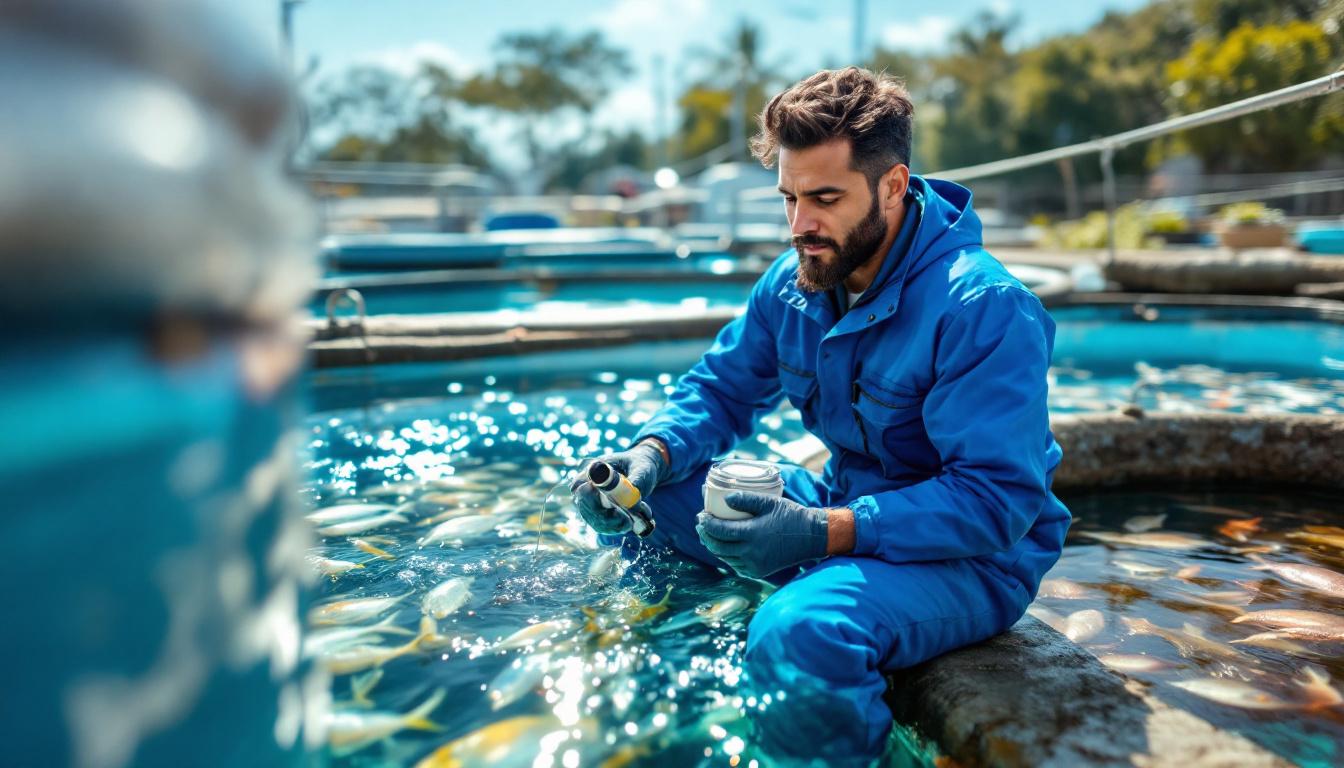
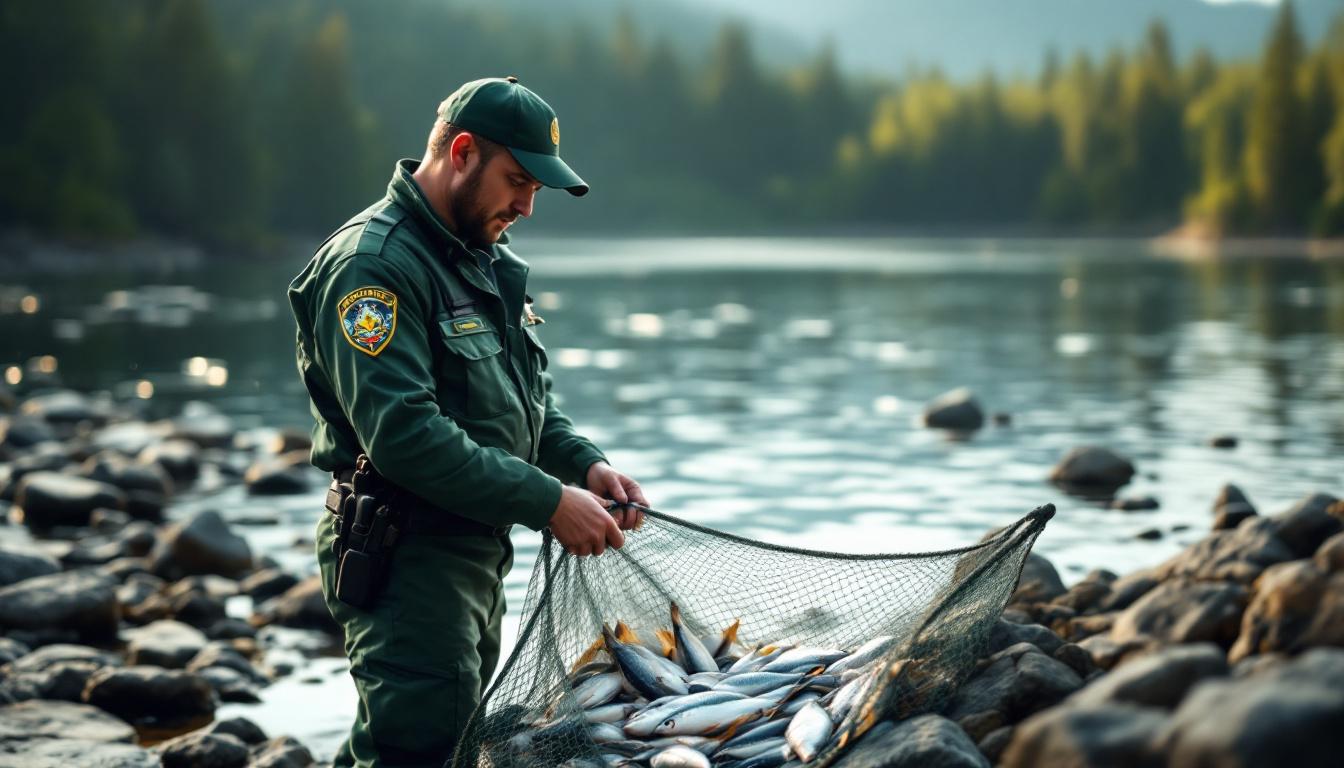
Graduates can find employment in various sectors related to fisheries and aquatic resource management. Jobs are available in government agencies responsible for managing fish stocks and enforcing regulations. Environmental organizations also hire graduates to work on conservation projects and research. The fishing industry employs specialists who help ensure sustainable practices. Careers may involve monitoring fish populations, developing management plans, or educating the public about marine conservation. While the job market can be competitive, those with practical experience and strong knowledge of fisheries science often find opportunities. The degree prepares students for roles that contribute to balancing economic activity with environmental protection.
- Employment opportunities exist in government fisheries and environmental agencies.
- Nonprofits and conservation groups recruit graduates for research and advocacy.
- The fishing industry hires experts in sustainable resource management.
- Jobs include fisheries biologist, resource manager, and environmental consultant.
- Insertion into the workforce is generally facilitated by internships and practical experience.


Continuing your studies
After completing this bachelor's degree, students may choose to continue their studies in related fields. Graduate programs in marine biology, environmental science, or natural resource management are common paths. Advanced degrees can lead to research positions, higher-level management roles, or academic careers. Some graduates also pursue certifications or specialized training in fisheries management or aquatic ecology. Alternatively, students may decide to shift towards related disciplines such as environmental policy or oceanography. The bachelor's degree provides a solid foundation for various further education opportunities that deepen expertise in marine and environmental sciences.
- Graduate studies in marine biology or environmental science are common options.
- Advanced degrees support research and leadership roles in fisheries management.
- Specialized certifications can enhance professional skills.
- Reorientation towards environmental policy or oceanography is possible.
Where to study this degree (36)







Liste des 36 établissements
- University of Alaska FairbanksFairbanks
- University of Arkansas at Pine BluffPine Bluff
- University of Rio Grande and Rio Grande Community CollegeRio Grande
- Kentucky State UniversityFrankfort
- University of MiamiCoral Gables
- Oregon State UniversityCorvallis
- Purdue University West LafayetteWest Lafayette
- University of Wisconsin–Stevens PointStevens Point
- Northern Michigan UniversityMarquette
- Lake Superior State UniversitySault Ste Marie
- Texas A & M University-College StationCollege Station
- University of FloridaGainesville
- Bellingham Technical CollegeBellingham
- SUNY CobleskillCobleskill
- University of IdahoMoscow
- Cal Poly HumboldtArcata
- University of Rhode IslandKingston
- University of Alaska SoutheastJuneau
- Hocking CollegeNelsonville
- Coastal Pines Technical CollegeWaycross
- Mt. Hood Community CollegeGresham
- University of New EnglandBiddeford
- Virginia TechBlacksburg
- Paul Smith's CollegePaul Smiths
- Oregon State University CascadesBend
- Juniata CollegeHuntingdon
- Iowa State UniversityAmes
- South Dakota State UniversityBrookings
- Eastern Michigan UniversityYpsilanti
- University of Washington-Seattle CampusSeattle
- Grand Valley State UniversityAllendale
- University of Minnesota-Twin CitiesMinneapolis
- Bristol Community CollegeFall River
- University of Maryland Eastern ShorePrincess Anne
- Delaware State UniversityDover
- Utah State UniversityLogan
Frequently asked questions
What kind of background do I need to apply?
You generally need a high school diploma with a good foundation in science and math. Interest in biology and environmental topics is important.
Are there practical experiences included in the program?
Yes, the program includes field trips, laboratory work, and often internships to provide hands-on learning.
Can I work while studying this degree?
While the degree is demanding, some students may find part-time work or internships related to fisheries management.
What careers can I pursue after graduation?
Graduates can work as fisheries biologists, resource managers, environmental consultants, or in conservation organizations.
Is this degree recognized internationally?
The degree is based in the US education system and is recognized for careers and further studies in fisheries and marine sciences.
Can I continue my studies after this bachelor's degree?
Yes, many graduates go on to master's or doctoral programs in marine biology, environmental science, or resource management.
Is there an option for alternating work and study?
Typically, this program does not offer an alternance (work-study) option, but internships are common.
How selective is admission to this program?
Admission is selective, with universities looking for motivated students who have a strong interest in fisheries and environmental sciences.
