
Bachelor's Degree in Clinical/Medical Laboratory Science/Research and Allied Professions
This 4-year bachelor's degree trains students in clinical and medical laboratory science, preparing them for roles in healthcare labs and research settings.
About
The Bachelor's Degree in Clinical/Medical Laboratory Science/Research and Allied Professions is a 4-year undergraduate program in the United States. It is designed for students interested in healthcare, biology, and laboratory work. This degree prepares graduates to work in medical laboratories where they analyze samples to help diagnose and monitor diseases. It is suitable for those who enjoy science and want to contribute to patient care through laboratory testing.
- The program focuses on understanding human biology, disease mechanisms, and laboratory techniques.
- It is aimed at students who have a strong interest in science and healthcare but prefer lab work over direct patient care.
- Graduates can pursue careers as medical laboratory scientists, research assistants, or allied health professionals.
- The degree provides foundational knowledge for certification exams required to work in clinical laboratories.
- It opens pathways to work in hospitals, diagnostic labs, research centers, and public health organizations.
What you study
The curriculum spans four years, combining theoretical courses with practical laboratory experience. Early years cover basic sciences, while later years focus on specialized clinical laboratory techniques.
- Students study biology, chemistry, and microbiology to understand disease processes.
- Courses include clinical chemistry, hematology, immunology, and molecular diagnostics.
- Hands-on laboratory work is integrated throughout, with increasing complexity each year.
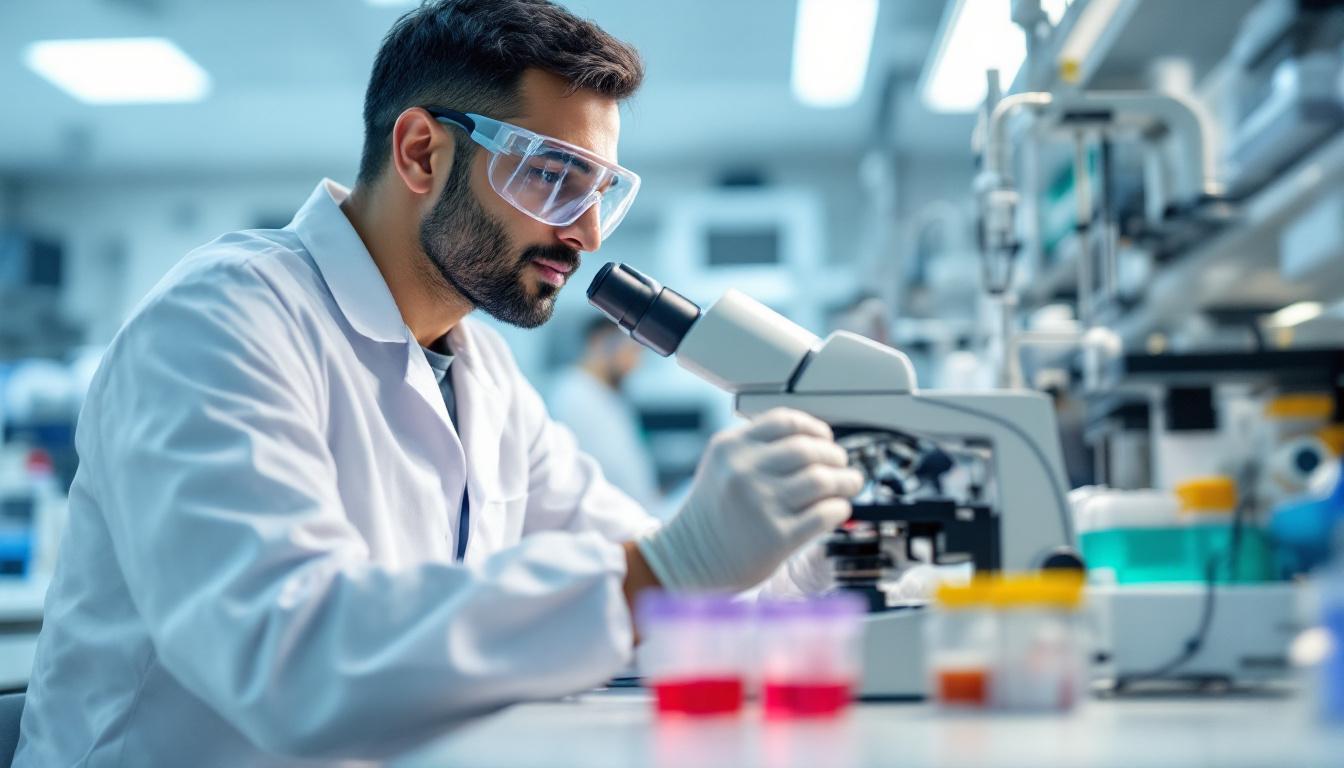
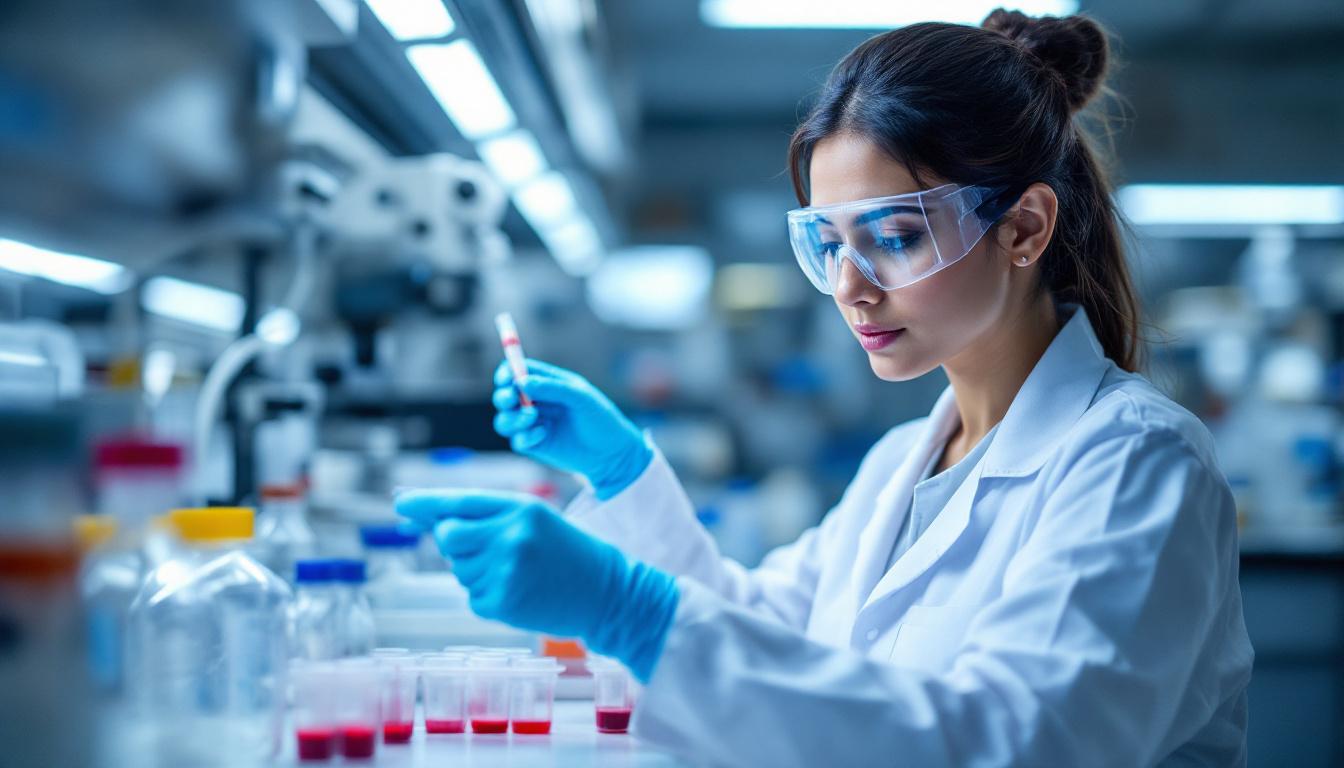
- Students learn to operate laboratory instruments and perform tests on blood, tissues, and other samples.
- Practical sessions help develop skills in data analysis, quality control, and lab safety.
- The program often includes a capstone project or research experience in the final year.
How to get in
Admission to this bachelor's degree in the US typically requires a high school diploma with a strong background in science and math. The process involves submitting applications through college admission platforms.
- Applicants should have completed courses in biology, chemistry, and mathematics during high school.
- Standardized tests like the SAT or ACT may be required depending on the institution.
- Some programs look for students with laboratory experience or interest demonstrated through extracurricular activities.
- Admission committees consider academic records, recommendation letters, and personal statements.
- Interviews or placement tests might be part of the selection process in some universities.
Day to day
A typical academic year includes lectures, laboratory sessions, and practical projects. Students spend significant time in labs applying theoretical knowledge.
- Weekly schedules combine classroom learning with hands-on experiments in clinical lab techniques.
- Students participate in group projects and presentations to develop communication skills.
- Clinical internships or externships in healthcare settings are often part of the program, providing real-world experience.
- Time management is important as students balance coursework, labs, and study.
- Some programs may offer cooperative education or alternating work-study options, but this varies by institution.
Careers this degree leads to
Graduates find employment primarily in healthcare and research laboratories. The demand for skilled laboratory professionals is steady due to the essential role of lab testing in medicine.
- Common job titles include medical laboratory scientist, clinical laboratory technician, and research assistant.
- Employment settings include hospitals, diagnostic laboratories, public health agencies, and biotech companies.
- The work involves analyzing samples to assist in disease diagnosis and monitoring treatment effectiveness.
- Job opportunities exist in both public and private sectors across urban and rural areas.
- Entry into the workforce is generally smooth for graduates who have completed required certifications.




Careers after further study
These careers require a higher level of study than this degree.


Continuing your studies
After earning this bachelor's degree, students can continue their education to specialize or advance their careers. Graduate studies and certifications are common next steps.
- Master's degrees in clinical laboratory science, biomedical sciences, or public health are possible options.
- Professional certification through organizations like the American Society for Clinical Pathology can enhance job prospects.
- Some graduates pursue further training to become laboratory managers or educators.
- Others may shift toward research roles or healthcare administration.
Where to study this degree (200)




















Liste des 200 établissements
- Montclair State UniversityMontclair
- Albany State UniversityAlbany
- Southwestern Oklahoma State UniversityWeatherford
- Keuka CollegeKeuka Park
- Thiel CollegeGreenville
- Sullivan UniversityLouisville
- Shawnee State UniversityPortsmouth
- East Central UniversityAda
- Baylor UniversityWaco
- University of Arkansas for Medical SciencesLittle Rock
- Grand Canyon UniversityPhoenix
- University of Wisconsin-MilwaukeeMilwaukee
- University of CincinnatiCincinnati
- Cleveland State UniversityCleveland
- Weber State UniversityOgden
- Michigan State UniversityEast Lansing
- The University of Texas MD Anderson Cancer CenterHouston
- Winston-Salem State UniversityWinston-Salem
- Austin Peay State UniversityClarksville
- University of KentuckyLexington
- Hunter CollegeNew York
- Texas Tech University Health Sciences CenterLubbock
- Virginia Commonwealth UniversityRichmond
- California State University, Dominguez HillsCarson
- Idaho State UniversityPocatello
- University of North DakotaGrand Forks
- Northern Michigan UniversityMarquette
- National UniversitySan Diego
- Stony Brook UniversityStony Brook
- University of West FloridaPensacola
- Brigham Young UniversityProvo
- Oregon Institute of TechnologyKlamath Falls
- York College, City University of New YorkJamaica
- Illinois State UniversityNormal
- Auburn University at MontgomeryMontgomery
- University of UtahSalt Lake City
- Saint Louis UniversitySt Louis
- University of Massachusetts LowellLowell
- The University of Texas Medical Branch at GalvestonGalveston
- The University of Texas at El PasoEl Paso
- University of Central FloridaOrlando
- University of Washington-Seattle CampusSeattle
- Tarleton State UniversityStephenville
- Rutgers University-New BrunswickNew Brunswick
- South Dakota State UniversityBrookings
- Santa Fe CollegeGainesville
- Georgia Southern UniversityStatesboro
- Oakland UniversityRochester Hills
- University of Wisconsin–La CrosseLa Crosse
- St. Cloud State UniversitySaint Cloud
- University of IdahoMoscow
- Ohio State University-Main CampusColumbus
- University of Nebraska Medical CenterOmaha
- University of Wisconsin–Stevens PointStevens Point
- St. Joseph's College New YorkBrooklyn
- Louisiana State University Health Sciences Center-New OrleansNew Orleans
- University of Louisiana at MonroeMonroe
- University of DelawareNewark
- Farmingdale State CollegeFarmingdale
- University of KansasLawrence
- Auburn UniversityAuburn
- Loma Linda UniversityLoma Linda
- Northern Illinois UniversityDeKalb
- University of Massachusetts DartmouthNorth Dartmouth
- Old Dominion UniversityNorfolk
- Indiana University-IndianapolisIndianapolis
- Wichita State UniversityWichita
- The University of Texas Rio Grande ValleyEdinburg
- University at BuffaloBuffalo
- Wayne State UniversityDetroit
- Bowling Green State UniversityBowling Green
- Thomas UniversityThomasville
- Grand Valley State UniversityAllendale
- Marist CollegePoughkeepsie
- Purdue University West LafayetteWest Lafayette
- Texas State UniversitySan Marcos
- Augusta UniversityAugusta
- Radford UniversityRadford
- University of North Carolina at Chapel HillChapel Hill
- University of ToledoToledo
- SUNY BrockportBrockport
- University of New Mexico-Main CampusAlbuquerque
- Howard UniversityWashington
- Arkansas State UniversityJonesboro
- Michigan Technological UniversityHoughton
- University of North TexasDenton
- College of Staten IslandStaten Island
- Northeastern State UniversityTahlequah
- University of Minnesota-Twin CitiesMinneapolis
- University of VermontBurlington
- Eastern Kentucky UniversityRichmond
- Marshall UniversityHuntington
- Eastern Michigan UniversityYpsilanti
- The University of Texas at AustinAustin
- University of Wisconsin-Milwaukee FlexMilwaukee
- University of Southern MississippiHattiesburg
- University of ConnecticutStorrs
- University of Rhode IslandKingston
- Ferris State UniversityBig Rapids
- Saginaw Valley State UniversityUniversity Center
- University of BridgeportBridgeport
- Roosevelt UniversityChicago
- Salisbury UniversitySalisbury
- Albany College of Pharmacy and Health SciencesAlbany
- University of Wisconsin–OshkoshOshkosh
- Saint Joseph's UniversityPhiladelphia
- Andrews UniversityBerrien Springs
- Utah Tech UniversitySaint George
- Louisiana State University Health Sciences Center-ShreveportShreveport
- Youngstown State UniversityYoungstown
- McNeese State UniversityLake Charles
- West Virginia UniversityMorgantown
- Mississippi State UniversityStarkville
- Wright State UniversityDayton
- SUNY Upstate Medical UniversitySyracuse
- Florida Gulf Coast UniversityFort Myers
- SUNY PlattsburghPlattsburgh
- Louisiana State University of AlexandriaAlexandria
- Mercy UniversityDobbs Ferry
- SUNY FredoniaFredonia
- South CollegeKnoxville
- Allen CollegeWaterloo
- University of Alaska AnchorageAnchorage
- Minnesota State University, MankatoMankato
- Franciscan Missionaries of Our Lady UniversityBaton Rouge
- La Sierra UniversityRiverside
- The University of Texas at ArlingtonArlington
- Indiana University South BendSouth Bend
- George Mason UniversityFairfax
- Louisiana Tech UniversityRuston
- University of MaineOrono
- Nazareth CollegeRochester
- The University of Texas Health Science Center at San AntonioSan Antonio
- Marquette UniversityMilwaukee
- Universidad Ana G. Mendez-Gurabo CampusGurabo
- University of South FloridaTampa
- Miami University-OxfordOxford
- Texas Woman's UniversityDenton
- College of Southern NevadaLas Vegas
- East Texas Baptist UniversityMarshall
- Western Kentucky UniversityBowling Green
- Texas A&M University – Corpus ChristiCorpus Christi
- North Dakota State UniversityFargo
- University of Maryland, BaltimoreBaltimore
- Pontifical Catholic University of Puerto Rico-PoncePonce
- Texas Southern UniversityHouston
- Southern Adventist UniversityCollegedale
- University of MississippiOxford
- University of Tennessee at KnoxvilleKnoxville
- Stevenson UniversityOwings Mills
- Lincoln Memorial UniversityHarrogate
- Eastern Illinois UniversityCharleston
- George Washington UniversityWashington
- West Liberty UniversityWest Liberty
- St. John's UniversityQueens
- Kean UniversityUnion
- The University of Tennessee Health Science CenterMemphis
- Baptist College of Health SciencesMemphis
- University of South DakotaVermillion
- Northwestern Health Sciences UniversityBloomington
- University of WyomingLaramie
- University of St. FrancisJoliet
- King's College - North CarolinaWilkes-Barre
- University of Illinois at SpringfieldSpringfield
- Missouri State UniversitySpringfield
- Inter American University of Puerto Rico-MetroSan Juan
- University of Puerto Rico-Medical SciencesSan Juan
- Lake Superior State UniversitySault Ste Marie
- Kansas State UniversityManhattan
- Kent State University at KentKent
- Monmouth UniversityWest Long Branch
- Maryville UniversitySaint Louis
- Rhode Island CollegeProvidence
- Fairleigh Dickinson UniversityTeaneck
- Northern State UniversityAberdeen
- Holy Family UniversityPhiladelphia
- Southeast Missouri State UniversityCape Girardeau
- Salve Regina UniversityNewport
- York College of PennsylvaniaYork
- East Stroudsburg UniversityEast Stroudsburg
- Long Island UniversityBrookville
- University of Mount UnionAlliance
- Boston UniversityBoston
- University of Michigan–FlintFlint
- Morgan State UniversityBaltimore
- Inter American University of Puerto Rico-San GermanSan German
- The University of MontanaMissoula
- Bradley UniversityPeoria
- Indiana State UniversityTerre Haute
- Roberts Wesleyan CollegeRochester
- Florida Southern CollegeLakeland
- University of Central MissouriWarrensburg
- Louisiana Christian UniversityPineville
- University of IndianapolisIndianapolis
- Bellarmine UniversityLouisville
- Bloomfield CollegeBloomfield
- University of Central OklahomaEdmond
- University of New HavenWest Haven
- Oklahoma Christian UniversityEdmond
- Washburn UniversityTopeka
Frequently asked questions
What kind of jobs can I get with this degree?
Graduates can work as medical laboratory scientists, technicians, or research assistants in hospitals, labs, and research centers. These roles involve analyzing samples to help diagnose diseases.
Do I need prior laboratory experience to apply?
While not always mandatory, having some lab experience or strong science background helps during admission and prepares you for practical courses.
Is this degree recognized for professional certification?
Yes, this bachelor's degree provides the academic foundation needed to pursue certification exams required for working as a licensed medical laboratory scientist.
Are there internships included in the program?
Most programs include clinical internships or externships where students gain hands-on experience in real healthcare laboratory settings.
Can I study part-time or through alternating work-study?
Alternating work-study options are not common for this degree, but some institutions may offer part-time study or cooperative education programs.
What subjects will I study during the degree?
You will study biology, chemistry, microbiology, clinical chemistry, hematology, immunology, molecular diagnostics, and laboratory technology.
What are the admission requirements?
You need a high school diploma with strong science and math courses. Some schools require standardized tests and review of academic records and personal statements.
Can I continue my studies after this degree?
Yes, many graduates pursue master's degrees or professional certifications to specialize or advance their careers in clinical laboratory science or related fields.