Bachelor's Degree in Archeology
A Bachelor's Degree in Archeology teaches students how to study human history through artifacts and sites, preparing them for careers in research, heritage management, or museums.
About
This Bachelor's Degree in Archeology is a four-year undergraduate program offered in the United States. It is designed for students interested in understanding human history by examining physical remains like tools, buildings, and fossils. The degree suits those who enjoy history, science, and fieldwork. Graduates can pursue careers in archaeology, cultural resource management, or museum work, among others.
- The program provides a foundation in historical research and scientific methods used to analyze artifacts.
- It is aimed at students who have completed high school and want to explore human pasts through material culture.
- Students learn to work both in the field and in laboratories, combining practical and theoretical knowledge.
- The degree opens doors to jobs in academic research, cultural heritage preservation, and public education.
- It also prepares students for further studies in archaeology or related fields.
What you study
The curriculum covers a broad range of subjects related to archaeology and human history over four years. Students start with introductory courses and gradually move to specialized topics and hands-on experiences.
- Early years focus on archaeological theory, history of ancient civilizations, and basic field methods.
- Later years include excavation techniques, artifact analysis, and laboratory work to interpret findings.
- Courses often incorporate anthropology, geology, and environmental science to understand contexts.
- Students participate in fieldwork projects, sometimes during summer, to gain practical experience.
- Research projects and internships help develop skills in documentation and report writing.
- The program balances classroom learning with real-world archaeological practice.
How to get in
Admission to a Bachelor's Degree in Archeology in the US generally requires a high school diploma or equivalent. The process is managed by universities and colleges offering the program.
- Applicants must submit their high school transcripts and standardized test scores if required.
- Some programs may ask for letters of recommendation or personal statements explaining interest in archaeology.
- Students with a strong background in history, science, or social studies are often favored.
- Admission is usually based on academic records and motivation rather than strict selectivity.
- Prospective students should research each institution’s specific requirements and deadlines.
Day to day
A typical academic year includes lectures, seminars, and practical sessions. Students balance theory with hands-on activities and research assignments.
- Classes are scheduled throughout the week with time for independent study and group work.
- Fieldwork opportunities, often during summer breaks, allow students to apply excavation and survey techniques.
- Some programs offer internships with museums or cultural organizations to gain professional experience.
- Students work on projects analyzing artifacts and writing reports, developing critical thinking and communication skills.
- The workload involves reading, lab work, and sometimes travel to archaeological sites.
Careers this degree leads to
Graduates with this degree can find work in various sectors related to archaeology and heritage. The job market requires flexibility and often combines fieldwork with office tasks.
- Common roles include field archaeologist, museum technician, and cultural resource manager.
- Employment is available in government agencies, universities, museums, and private companies.
- Work often involves research, conservation, and public education about historical sites.
- The job market can be competitive, but practical experience improves chances of finding positions.
- Some graduates continue with higher education to access specialized or academic careers.


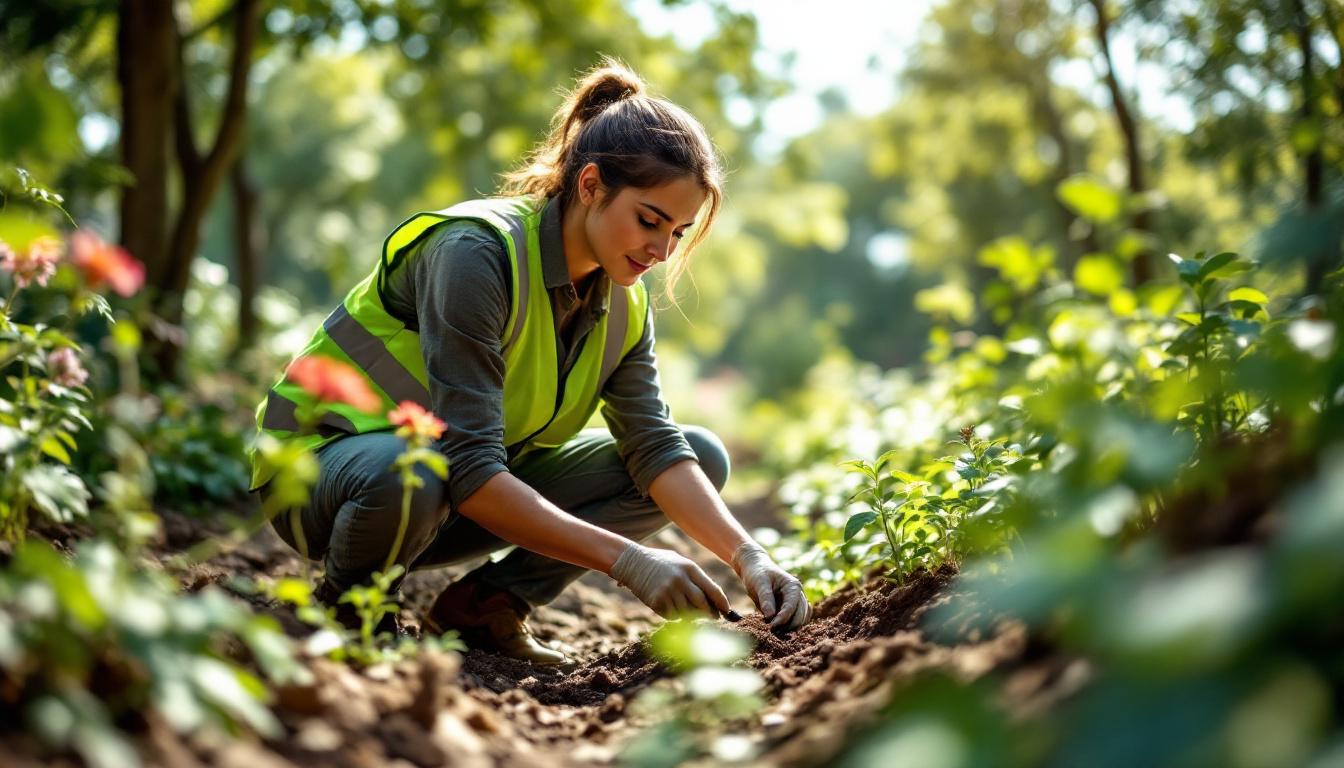



Careers after further study
These careers require a higher level of study than this degree.
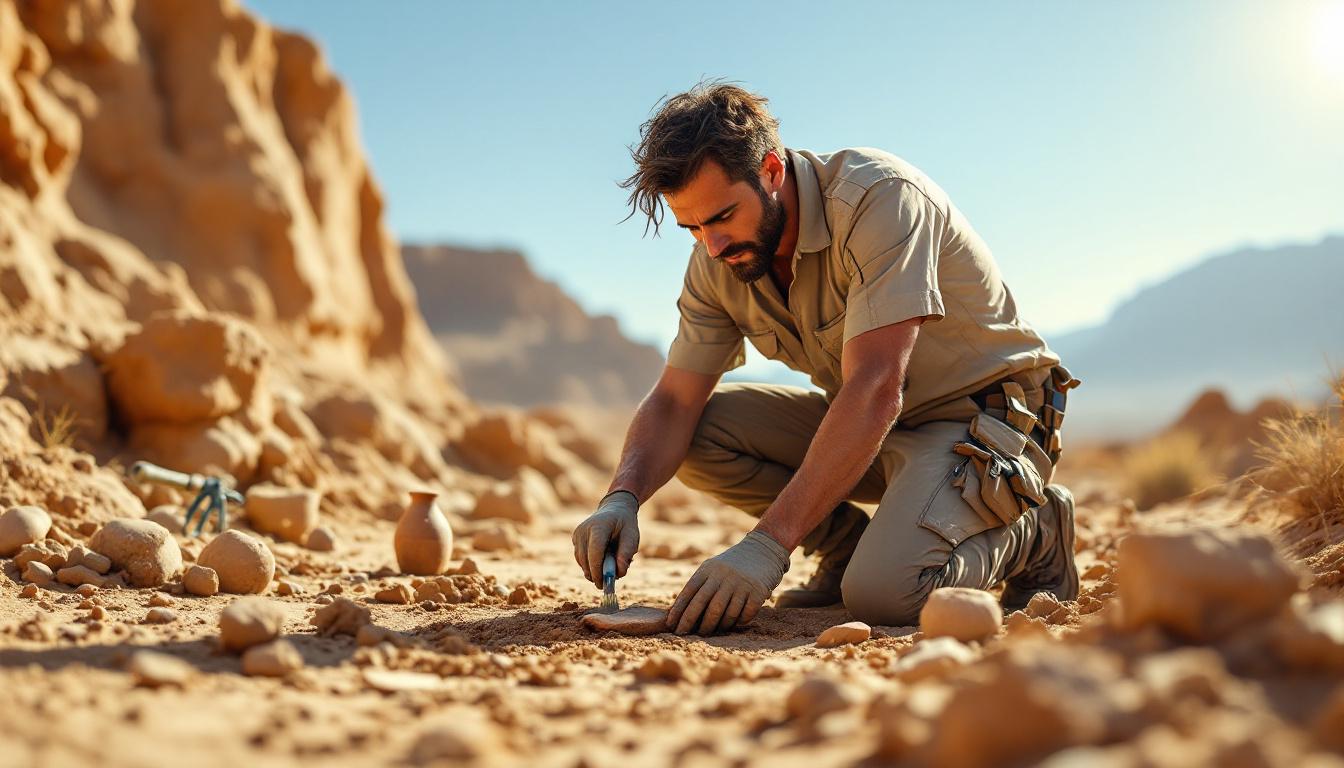





Continuing your studies
After earning a Bachelor's Degree in Archeology, students can pursue further studies to deepen their expertise or shift focus.
- Many choose to enroll in Master’s programs in archaeology, anthropology, or related fields.
- Doctoral studies are an option for those interested in academic or research careers.
- Some may opt for specialized training in museum studies or cultural heritage management.
- Others might reorient towards fields like history, environmental science, or education.
Where to study this degree (82)








Liste des 82 établissements
- San Diego City CollegeSan Diego
- University of IdahoMoscow
- University of Rio Grande and Rio Grande Community CollegeRio Grande
- Carleton CollegeNorthfield
- San Diego Mesa CollegeSan Diego
- University of Wisconsin–La CrosseLa Crosse
- Western Washington UniversityBellingham
- State University of New York at PotsdamPotsdam
- University of Washington-Seattle CampusSeattle
- College of CharlestonCharleston
- George Washington UniversityWashington
- University of Southern CaliforniaLos Angeles
- Cornell UniversityIthaca
- University of Massachusetts BostonBoston
- Pima Community CollegeTucson
- University of AkronAkron
- University of North Carolina at Chapel HillChapel Hill
- University of EvansvilleEvansville
- Brigham Young UniversityProvo
- University of CincinnatiCincinnati
- University of GeorgiaAthens
- Yale UniversityNew Haven
- Oberlin CollegeOberlin
- College of WoosterWooster
- Brown UniversityProvidence
- University of California-Los AngelesLos Angeles
- Dickinson CollegeCarlisle
- Willamette UniversitySalem
- Hamilton CollegeClinton
- Monmouth UniversityWest Long Branch
- Boston UniversityBoston
- Moorpark CollegeMoorpark
- University of Missouri-ColumbiaColumbia
- Hunter CollegeNew York
- Tufts UniversityMedford
- Wheaton College - IllinoisWheaton
- Bryn Mawr CollegeBryn Mawr
- Vermont Technical CollegeRandolph
- SUNY CortlandCortland
- Palomar CollegeSan Marcos
- Indiana University of PennsylvaniaIndiana
- Fresno City CollegeFresno
- University of Wisconsin–MadisonMadison
- Lipscomb UniversityNashville
- New York UniversityNew York
- Wesleyan UniversityMiddletown
- Southern Adventist UniversityCollegedale
- Saint Mary's College of CaliforniaMoraga
- Normandale Community CollegeBloomington
- Johns Hopkins UniversityBaltimore
- Austin Community CollegeAustin
- Stanford UniversityStanford
- University of IndianapolisIndianapolis
- Sweet Briar CollegeSweet Briar
- Michigan Technological UniversityHoughton
- Texas A & M University-College StationCollege Station
- University of PennsylvaniaPhiladelphia
- Catholic University of AmericaWashington
- La Sierra UniversityRiverside
- University of California-Santa CruzSanta Cruz
- Eastern Washington UniversityCheney
- Northwest CollegePowell
- Lycoming CollegeWilliamsport
- Capital Community CollegeHartford
- Center for Advanced Studies On Puerto Rico and the CaribbeanSan Juan
- Santa Monica CollegeSanta Monica
- Weber State UniversityOgden
- Haverford CollegeHaverford
- Cypress CollegeCypress
- Washington University in St LouisSaint Louis
- Mercyhurst UniversityErie
- Coastal Carolina UniversityConway
- Bowdoin CollegeBrunswick
- Missouri State UniversitySpringfield
- Swarthmore CollegeSwarthmore
- University of ArizonaTucson
- Brooklyn CollegeBrooklyn
- Merced CollegeMerced
- Ohlone CollegeFremont
- CUNY Graduate School and University CenterNew York
- Harvard UniversityCambridge
- Pennsylvania State University-Main CampusUniversity Park
Frequently asked questions
What skills are important for studying archaeology?
Students should have an interest in history and science, be curious about past cultures, and enjoy both outdoor fieldwork and detailed laboratory analysis.
Is fieldwork a big part of the program?
Yes, practical fieldwork is essential and usually includes excavation and survey projects, often during summer or special sessions.
Can I work while studying this degree?
Many students balance part-time jobs, but the program requires significant time for classes and fieldwork, so managing schedules is important.
Are internships included in the program?
Some universities offer internships or partnerships with museums and heritage organizations to provide professional experience.
What jobs can I get after this degree?
Graduates can work as field archaeologists, museum staff, or cultural resource managers, though some roles may require further study.
Is this degree only about digging up artifacts?
No, it also involves studying the context of finds, analyzing materials in labs, and understanding historical cultures through multiple disciplines.
How competitive is admission to this program?
Admission is selective and based on academic records and motivation, but it is accessible to students with a strong interest in history and science.
Can I continue studies after this degree?
Yes, many graduates pursue Master's or PhD programs to specialize further or enter research and academic careers.
