
Associate Degree in Rehabilitation and Therapeutic Professions
This two-year Associate Degree in Rehabilitation and Therapeutic Professions trains students in supporting individuals with physical or mental challenges, preparing them for entry-level roles in healthcare and therapy settings.
About
The Associate Degree in Rehabilitation and Therapeutic Professions is a short-cycle higher education diploma in the United States, typically lasting two years. It is designed for students interested in helping people improve their physical, mental, or emotional well-being through therapeutic support. This degree suits those who want to work in healthcare environments but may not wish to pursue a full bachelor's degree immediately. Graduates can find roles assisting therapists and rehabilitation specialists, contributing to patient care and recovery.
- The program focuses on understanding human anatomy, psychology, and therapeutic techniques.
- It prepares students for practical work in rehabilitation centers, hospitals, or community health services.
- The degree is accessible to high school graduates aiming for a healthcare-related career.
- It offers foundational knowledge and skills to support patients with disabilities or recovery needs.
- Graduates often work under supervision in multidisciplinary teams.
- The diploma can serve as a stepping stone for further studies in health or therapy fields.
What you study
The curriculum covers a blend of theoretical knowledge and practical skills essential for rehabilitation and therapeutic professions. Over the two years, students progress from basic health sciences to more specialized therapeutic methods. The first year typically introduces anatomy, physiology, and psychology to build a solid foundation. The second year focuses on applied techniques and patient interaction.
- Courses include human anatomy, psychology, and therapeutic methods.
- Students learn about disability support and rehabilitation techniques through lectures and workshops.
- There is a significant emphasis on practical training with supervised clinical experiences.
- Students develop communication skills to work effectively with patients and healthcare teams.
- The program may include case studies and project work to apply learning in real-world contexts.
- Hands-on practice is essential to prepare for entry-level roles in healthcare settings.
How to get in
Admission to this associate degree program generally requires a high school diploma or equivalent in the United States. The process is managed by community colleges or technical schools offering the program. Applicants usually submit transcripts and may need to complete placement tests or interviews depending on the institution.
- The main prerequisite is a high school diploma or GED certificate.
- Some programs may require basic proficiency in English and math.
- Admission procedures often include submitting academic records and sometimes an interview or placement test.
- Applicants interested in healthcare and helping professions are preferred.
- Programs are open to recent graduates as well as adult learners seeking career changes.
- Financial aid and counseling services are typically available to support students.
Day to day
A typical academic year for this associate degree includes a mix of classroom learning, laboratory sessions, and clinical placements. Students usually attend classes during weekdays and engage in practical experiences that simulate real healthcare environments. Clinical internships or externships are often part of the curriculum, providing valuable hands-on experience.
- The academic calendar is divided into semesters with regular coursework and exams.
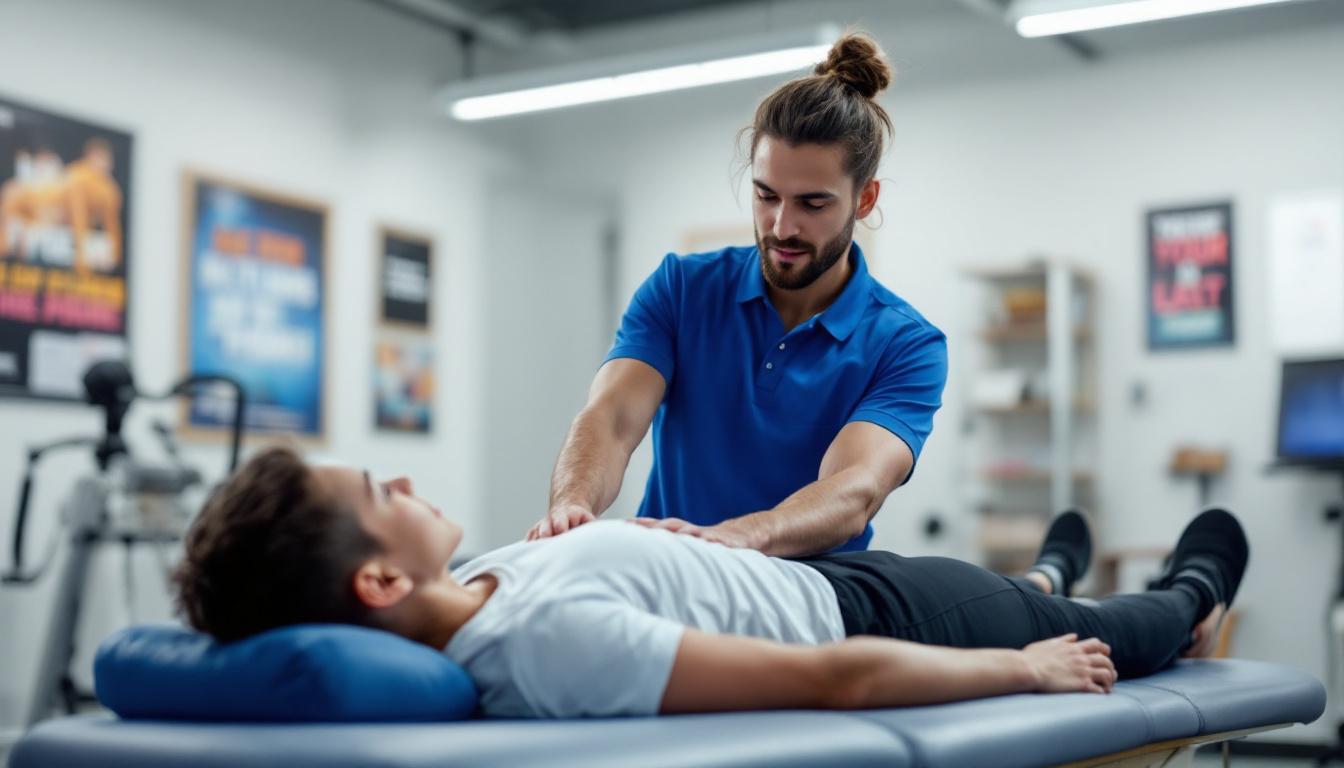
- Students spend time in labs practicing therapeutic techniques under supervision.
- Clinical placements or internships in hospitals or rehabilitation centers are common.
- Group projects and presentations help develop teamwork and communication skills.
- Some programs may offer part-time or evening classes for flexibility.
- Alternance or work-study options are generally not standard but may exist in some institutions.
Careers this degree leads to
Graduates with this associate degree can work in various healthcare and rehabilitation settings. They often find employment as support staff assisting therapists and healthcare professionals. The demand for such roles is generally steady, with opportunities in hospitals, clinics, nursing homes, and community health organizations.
- Common job titles include rehabilitation aide, therapy assistant, and patient care technician.
- Work environments include hospitals, rehabilitation centers, and long-term care facilities.
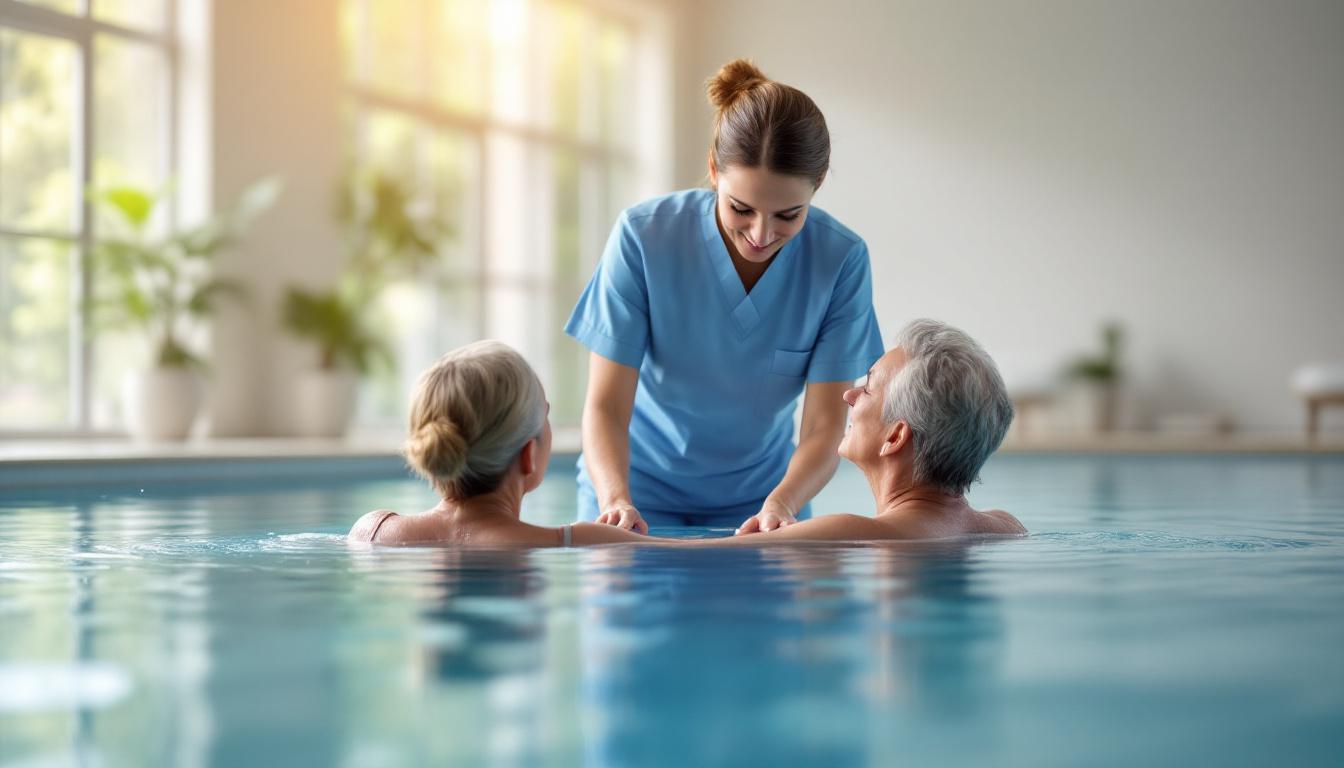
- Positions involve helping patients with exercises, daily activities, and therapy routines.
- The job usually requires working under the supervision of licensed therapists or nurses.
- The insertion into the workforce is generally smooth for motivated graduates.
- Experience gained during clinical placements can improve job prospects.
Careers after further study
These careers require a higher level of study than this degree.





Continuing your studies
After earning this associate degree, students can choose to continue their education to expand their career options. Many pursue bachelor's degrees in related fields such as physical therapy, occupational therapy, or health sciences. The credits earned during the associate program often transfer to four-year colleges.
- Students may enroll in bachelor's degree programs in rehabilitation sciences or therapy.
- Some may choose specialized certifications or diplomas in therapeutic techniques.
- Further studies can lead to roles with greater responsibilities and higher qualifications.
- Reorientation toward other healthcare areas is possible with additional coursework.
- Continuing education helps keep skills updated and meet professional requirements.
Where to study this degree (65)




















Liste des 65 établissements
- Pitt Community CollegeWinterville
- Northwest Mississippi Community CollegeSenatobia
- Jones County Junior CollegeEllisville
- Suffolk County Community CollegeSelden
- Baker CollegeOwosso
- Camden County CollegeBlackwood
- Oklahoma City Community CollegeOklahoma City
- Genesee Community CollegeBatavia
- Trinity Washington UniversityWashington
- Northeast Mississippi Community CollegeBooneville
- Western New Mexico UniversitySilver City
- Community College of Baltimore CountyBaltimore
- Snow CollegeEphraim
- Thomas Jefferson UniversityPhiladelphia
- Bronx Community CollegeBronx
- LaGuardia Community CollegeLong Island City
- Truckee Meadows Community CollegeReno
- Century CollegeWhite Bear Lake
- Southern Crescent Technical CollegeGriffin
- Hocking CollegeNelsonville
- Fremont UniversityCerritos
- Atenas CollegeManati
- Itawamba Community CollegeFulton
- Rutgers University-New BrunswickNew Brunswick
- St. Petersburg CollegeSt. Petersburg
- NHTI - Concord's Community CollegeConcord
- Capital Community CollegeHartford
- Southern Adventist UniversityCollegedale
- Central Georgia Technical CollegeWarner Robins
- Middlesex County CollegeEdison
- Central Wyoming CollegeRiverton
- Spokane Falls Community CollegeSpokane
- Ridgewater CollegeWillmar
- Western Piedmont Community CollegeMorganton
- South Plains CollegeLevelland
- Isothermal Community CollegeSpindale
- Montana State University BillingsBillings
- Vincennes UniversityVincennes
- Austin Community CollegeAustin
- Raritan Valley Community CollegeBranchburg
- Moraine Valley Community CollegePalos Hills
- Coahoma Community CollegeClarksdale
- North Idaho CollegeCoeur d'Alene
- Washington County Community CollegeCalais
- Iowa Lakes Community CollegeEstherville
- Union County CollegeCranford
- Cumberland County CollegeVineland
- Oklahoma State University Institute of TechnologyOkmulgee
- Taft CollegeTaft
- Amarillo CollegeAmarillo
- Hibbing Community CollegeHibbing
- Grossmont CollegeEl Cajon
- Niagara County Community CollegeSanborn
- Alpena Community CollegeAlpena
- Gogebic Community CollegeIronwood
- Ocean County CollegeToms River
- Southeastern Community College - IowaWest Burlington
- Tri-County Community CollegeMurphy
- Warren County Community CollegeWashington
- Mississippi Gulf Coast Community CollegePerkinston
- Passaic County Community CollegePaterson
- Bluegrass Community and Technical CollegeLexington
- North Country Community CollegeSaranac Lake
- Edmonds Community CollegeLynnwood
- Mid Michigan Community CollegeHarrison
Frequently asked questions
What is the main focus of this associate degree?
The program focuses on training students to assist in rehabilitation and therapeutic care, helping patients recover physical or mental functions under supervision.
Who can apply for this degree in the US?
Applicants need a high school diploma or equivalent. The program is open to recent graduates and adult learners interested in healthcare support roles.
Does the program include practical experience?
Yes, students participate in clinical placements or internships that provide hands-on experience in real healthcare settings.
Can I work while studying this degree?
Most programs are full-time and require attendance during weekdays, but some schools may offer part-time or evening classes for flexibility.
What jobs can I get after graduation?
Graduates often work as therapy assistants, rehabilitation aides, or patient care technicians in hospitals, clinics, or rehabilitation centers.
Is it possible to continue studies after this degree?
Yes, many students pursue bachelor's degrees in related health fields to advance their careers and gain more responsibilities.
Is alternance or work-study common in this program?
Alternance is generally not common for this degree, but some institutions might offer work-study options depending on their policies.
How selective is admission to this program?
Admission is usually not very selective, focusing mainly on having a high school diploma and interest in healthcare.