Associate Degree in Marine Transportation
This 2-year associate degree teaches marine transportation skills, preparing students for roles in maritime navigation and ship operations.
About
The Associate Degree in Marine Transportation is a two-year program in the United States designed for students interested in working on ships and in maritime logistics. It is aimed at those who want to learn about ship navigation, safety, and operations. The diploma prepares graduates to work in various roles related to marine transport, such as deck officers or ship crew members. It is suitable for young people who enjoy practical work and are interested in the shipping industry. This degree provides foundational knowledge and skills needed to start a career at sea or in maritime companies.
- The program lasts two years and leads to an associate degree recognized in the US.
- It is intended for students who have completed high school or equivalent education.
- Graduates can work on commercial ships, ferries, or in port operations.
- The degree covers both theoretical knowledge and practical skills in marine navigation and safety.
- It opens the door to maritime careers and further studies in the marine sector.
What you study
The curriculum focuses on teaching the essential skills for marine transportation over two years. Students start with basic maritime knowledge and gradually learn advanced navigation and ship management. Practical training is an important part of the program, with simulations and real-world exercises.
- Courses include navigation techniques, ship handling, and maritime safety.
- Students study marine engineering basics and cargo operations to understand ship functions.
- There is a focus on international maritime laws and communication skills for working on ships.
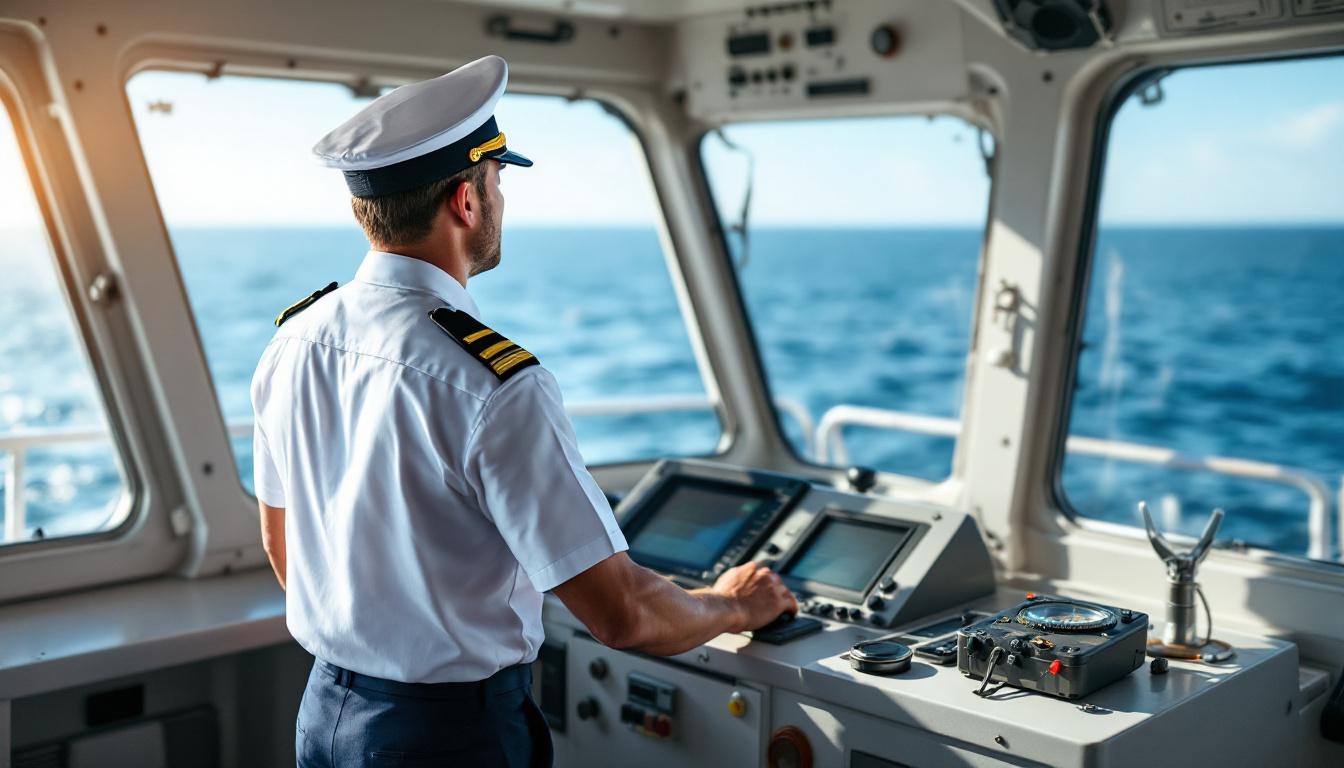
- Practical sessions involve bridge simulators and safety drills.
- The second year often includes internships or sea time to gain real experience.
- Students learn to use maritime technology and navigation equipment.
How to get in
Admission to the Associate Degree in Marine Transportation usually requires a high school diploma or equivalent. The process involves applying directly to community colleges or maritime academies offering the program. Some institutions may require a basic health check or physical fitness test because of the job demands at sea.
- Applicants must have completed high school (or GED).
- They apply through the college's admission system, often online.
- Some schools may ask for a medical examination to ensure fitness for sea work.
- Interest in maritime careers and basic math and science skills are important.
- Good communication skills and teamwork ability are valued.
Day to day
The academic year combines classroom learning, practical exercises, and sometimes internships. Students spend time in lectures, labs, and simulator sessions. Many programs include a period of sea training or work placement to apply skills in real conditions.
- Typical weeks include theory classes and practical labs on navigation and safety.
- Students use bridge simulators to practice ship handling.
- There are group projects to develop teamwork and problem-solving.
- Many programs require sea time internships on commercial vessels.
- The workload is balanced between technical knowledge and hands-on experience.
Careers this degree leads to
Graduates can find jobs in maritime transport companies, shipping lines, or port authorities. Positions often involve working as deck officers, ship crew, or maritime logistics staff. The maritime sector generally offers steady employment opportunities, especially for those willing to work at sea.
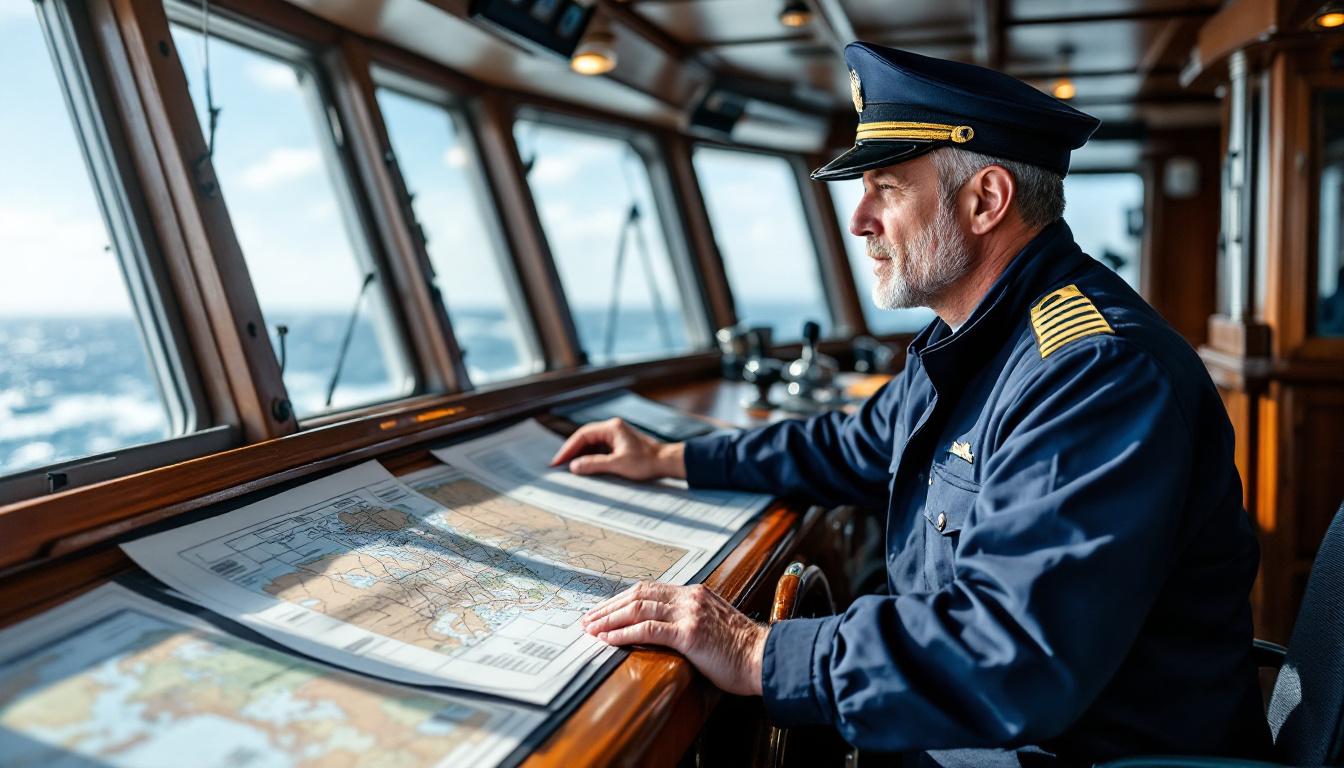
- Possible jobs include deck officer, ship navigator, and marine operations assistant.
- Employment is found in shipping companies, ferries, and port services.
- The shipping industry needs trained personnel for safe and efficient vessel operation.
- Many graduates start with entry-level roles and gain experience at sea.
- The job often involves travel and working in international environments.


Careers after further study
These careers require a higher level of study than this degree.
Continuing your studies
After earning this degree, students can continue their education in maritime studies or related fields. They may pursue bachelor's degrees in marine transportation, maritime management, or logistics. Some also choose to specialize in marine engineering or maritime safety.
- Students can enroll in bachelor's programs in maritime transportation or logistics.
- There are options to study marine engineering or nautical science at a higher level.
- Further education can lead to advanced maritime certifications and officer ranks.
Where to study this degree (26)












Liste des 26 établissements
- National UniversitySan Diego
- Divers Institute of TechnologySeattle
- Commercial Diving Technologies InstituteHudson
- United States Merchant Marine AcademyKings Point
- SUNY Maritime CollegeThroggs Neck
- Texas A & M University-College StationCollege Station
- California Maritime AcademyVallejo
- Northwestern Michigan CollegeTraverse City
- Massachusetts Maritime AcademyBuzzards Bay
- Maine Maritime AcademyCastine
- Seattle Central CollegeSeattle
- San Jacinto CollegePasadena
- University of Alaska SoutheastJuneau
- The Landing SchoolArundel
- West Kentucky Community and Technical CollegePaducah
- Orange Coast CollegeCosta Mesa
- South Louisiana Community CollegeLafayette
- Northshore Technical Community CollegeLacombe
- Florida Keys Community CollegeKey West
- Santa Barbara City CollegeSanta Barbara
- Tennessee College of Applied Technology-HohenwaldHohenwald
- Clatsop Community CollegeAstoria
- Irvine Valley CollegeIrvine
- Alpena Community CollegeAlpena
- Saddleback CollegeMission Viejo
- Lamar State College-OrangeOrange
Frequently asked questions
What kind of jobs can I get with this degree?
Graduates can work as deck officers, ship navigators, or in various roles on commercial ships and in port operations.
Do I need to be physically fit to study marine transportation?
Yes, because working at sea requires good health and physical fitness, some programs ask for medical checks before admission.
Is there practical training included in the program?
Yes, students participate in simulator sessions and often complete internships or sea time to gain real experience.
Can I continue my studies after this associate degree?
Yes, many students go on to bachelor's degrees in marine transportation, maritime management, or related fields.
Is this degree recognized in the United States?
Yes, it is a recognized associate degree offered by community colleges and maritime academies in the US.
Do I need prior maritime experience to apply?
No prior experience is usually required, but having an interest in maritime careers and basic skills in math and science helps.
Are language skills important for this program?
Yes, good communication skills are important because maritime work involves teamwork and following safety instructions.
Is it possible to study this degree part-time or by alternance?
Typically, this degree is offered full-time and does not include an alternance or apprenticeship option.